Aldabra Atoll, a UNESCO World Heritage Site located in the Seychelles, offers a pristine and unparalleled escape into nature's untouched beauty. The atoll, the second-largest in the world, is renowned for its remarkable biodiversity and is home to the Aldabra giant tortoise, a species found nowhere else on Earth. This enormous tortoise population is one of the key attractions for visitors, providing a rare opportunity to observe these majestic creatures in their natural habitat.
Passau sits on the confluence of the Danube, the Inn and the Ilz, so it is fitting that it is known as "the Dreiflüssestadt", which means the “City of Three Rivers.” The historical center offers a cathedral, churches and museums to explore, and the embankment is perfect for a romantic stroll.
Panama City, Florida, sits along the Gulf Coast where maritime history and modern beach culture intersect. Originally tied to shipbuilding and fishing, the city developed around St. Andrews Bay, which still anchors local identity through working marinas and long-established neighborhoods.
Located in the vibrant blue waters of the Mediterranean Sea, Ajaccio is the capital of the island of Corsica and a popular resort destination. A port city often frequented by cruise ships and yachts,
Sagres sits at the southwestern edge of continental Europe in Portugal’s Algarve region, where the Atlantic’s wide horizon meets rugged cliffs and open skies. For centuries this point was linked to maritime adventure and visitors can still feel that sense of discovery in the air. Here, people like Prince Henry the Navigator gathered cartographers, shipbuilders and astronomers in the 1400s to push beyond maps of the known world and shape the early Age of Discovery from Sagres’ dramatic headlands.
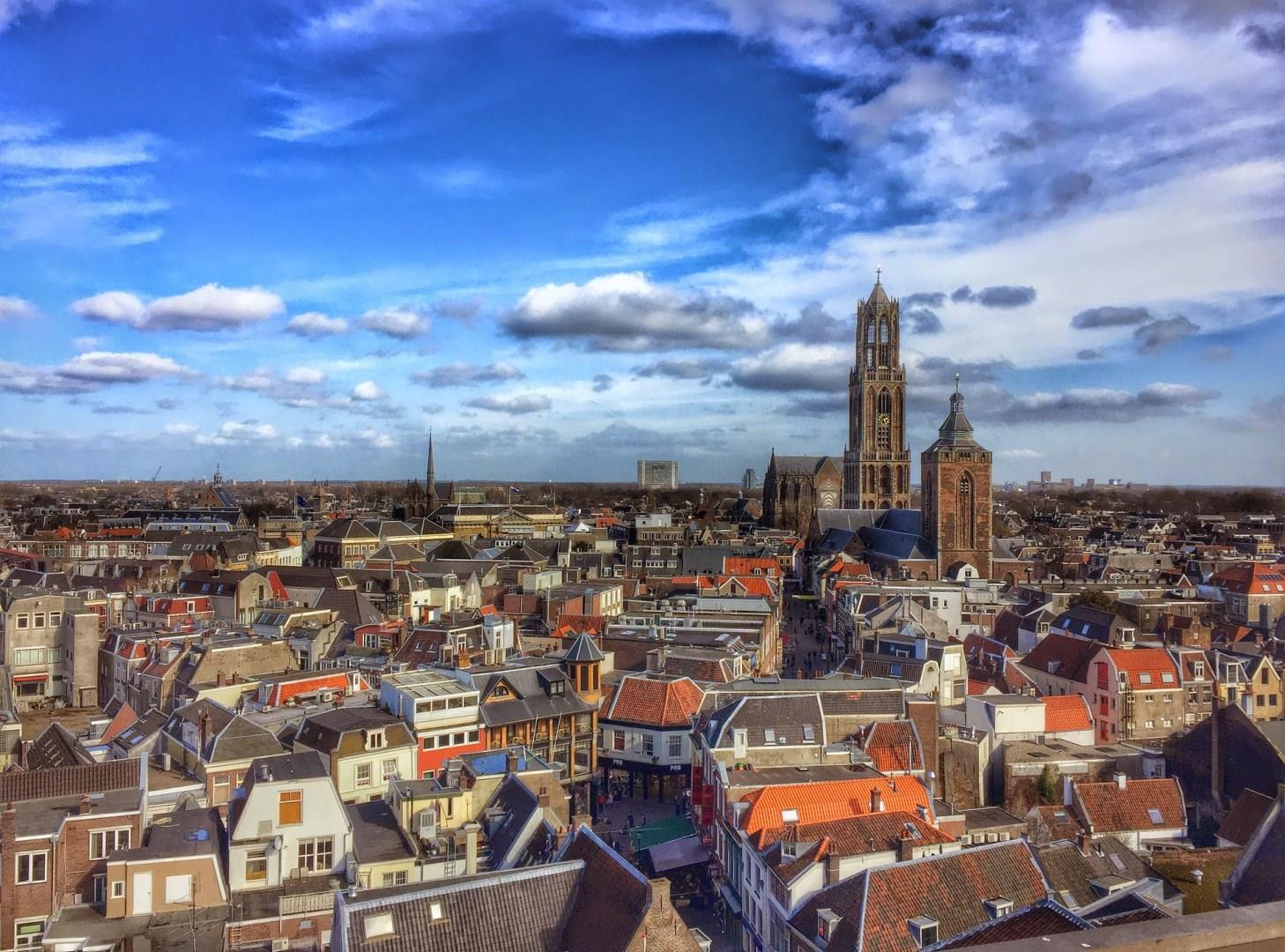
Utrecht, a charming city in the Netherlands, offers a captivating blend of history, culture, and modern vibrancy. Dominated by its striking Dom Tower, the tallest church tower in the Netherlands, Utrecht invites visitors to climb its 465 steps for panoramic views of the city and the surrounding countryside. This iconic landmark, part of the Dom Church, is a remnant of the medieval era, reflecting Utrecht’s rich historical tapestry.
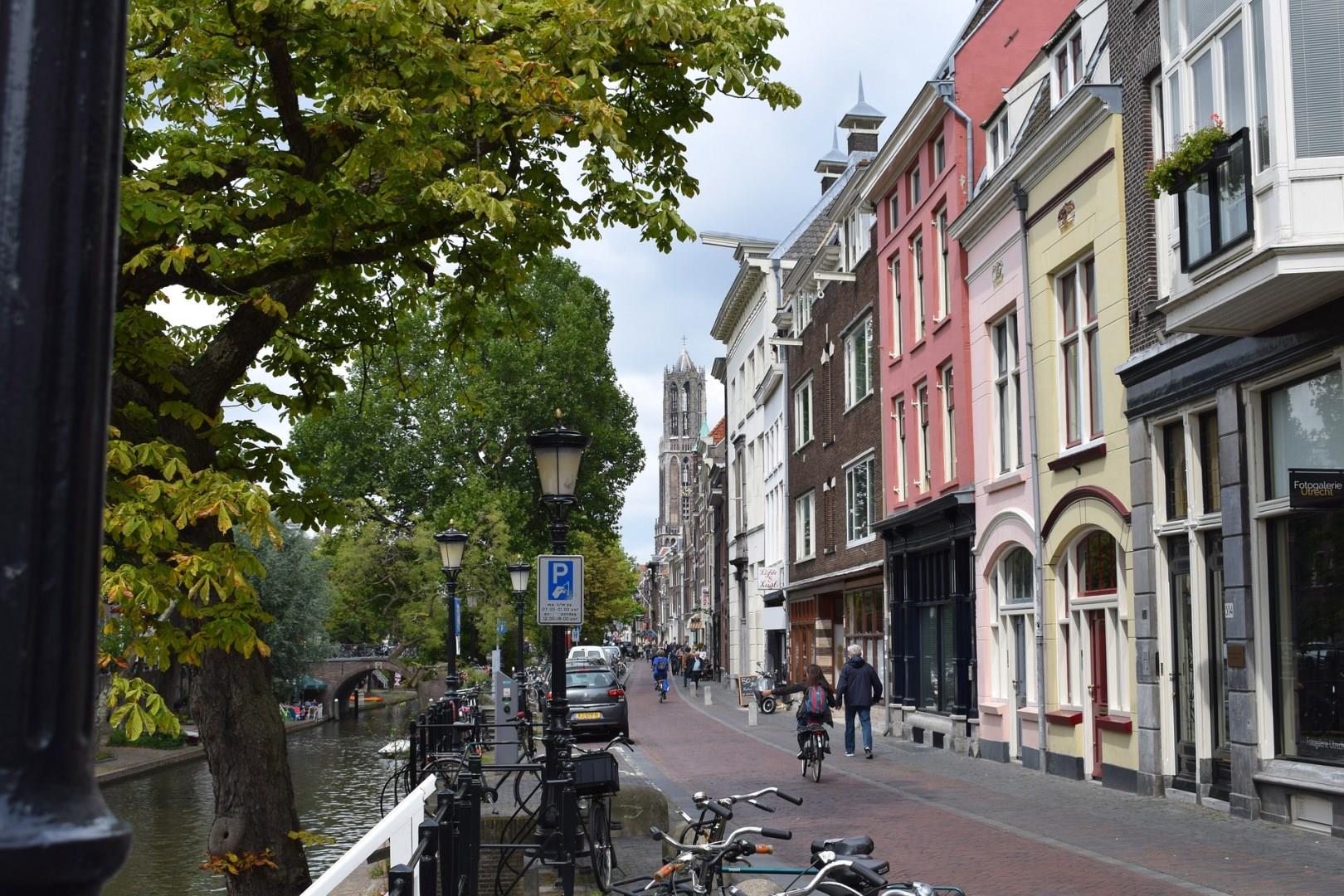
The city’s picturesque canals, lined with unique wharfs and charming cafes, create an enchanting atmosphere. Utrecht’s Old Canal, with its distinctive lower-level quays, is a favorite spot for a leisurely stroll or a boat tour. The canals are a remnant of the city's medieval waterway system and provide a scenic backdrop for exploring Utrecht’s vibrant neighborhoods.
Culture enthusiasts will appreciate Utrecht’s diverse museums and galleries. The Centraal Museum showcases a wide range of exhibits from contemporary art to historic artifacts, including works by the famed Utrecht Caravaggisti. Additionally, the Rietveld Schröder House, a UNESCO World Heritage Site, offers a glimpse into the innovative De Stijl movement with its groundbreaking architecture and design.
For an optimal visit, consider coming in spring or early autumn when the weather is mild and the city’s cultural events are in full swing.