Zacatecas
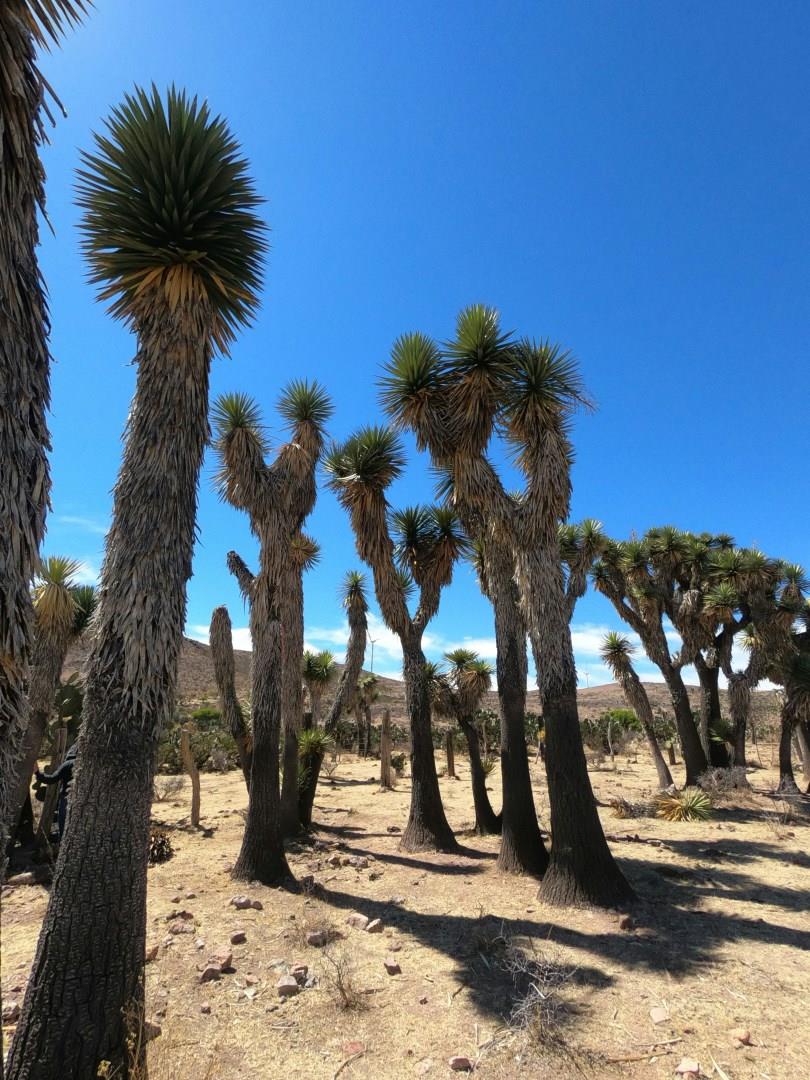
Zacatecas, built into the slopes of a narrow ravine in north-central Mexico, is a city with a deep mining past and a striking skyline. The historic center, a UNESCO World Heritage Site, is known for its pink cantera stone buildings, narrow alleys, and impressive baroque facades. The Cathedral Basilica of Zacatecas, completed in 1752, stands as one of the most detailed examples of Mexican baroque architecture, with hundreds of carved figures covering its sandstone exterior.

Mazatlan
Located on the coast of Sinaloa, Mexico, Mazatlán is a trendy resort town with spectacular beaches and thrilling nightlife. Centro Histórico (Old Town) and Plazuela Machado are replete with colorful, newly-restored neoclassical buildings.

Philippines
The Philippines is an archipelago of more than 7,600 islands in Southeast Asia, known for its striking coastlines, tropical forests, and vibrant cultural diversity.
Adara
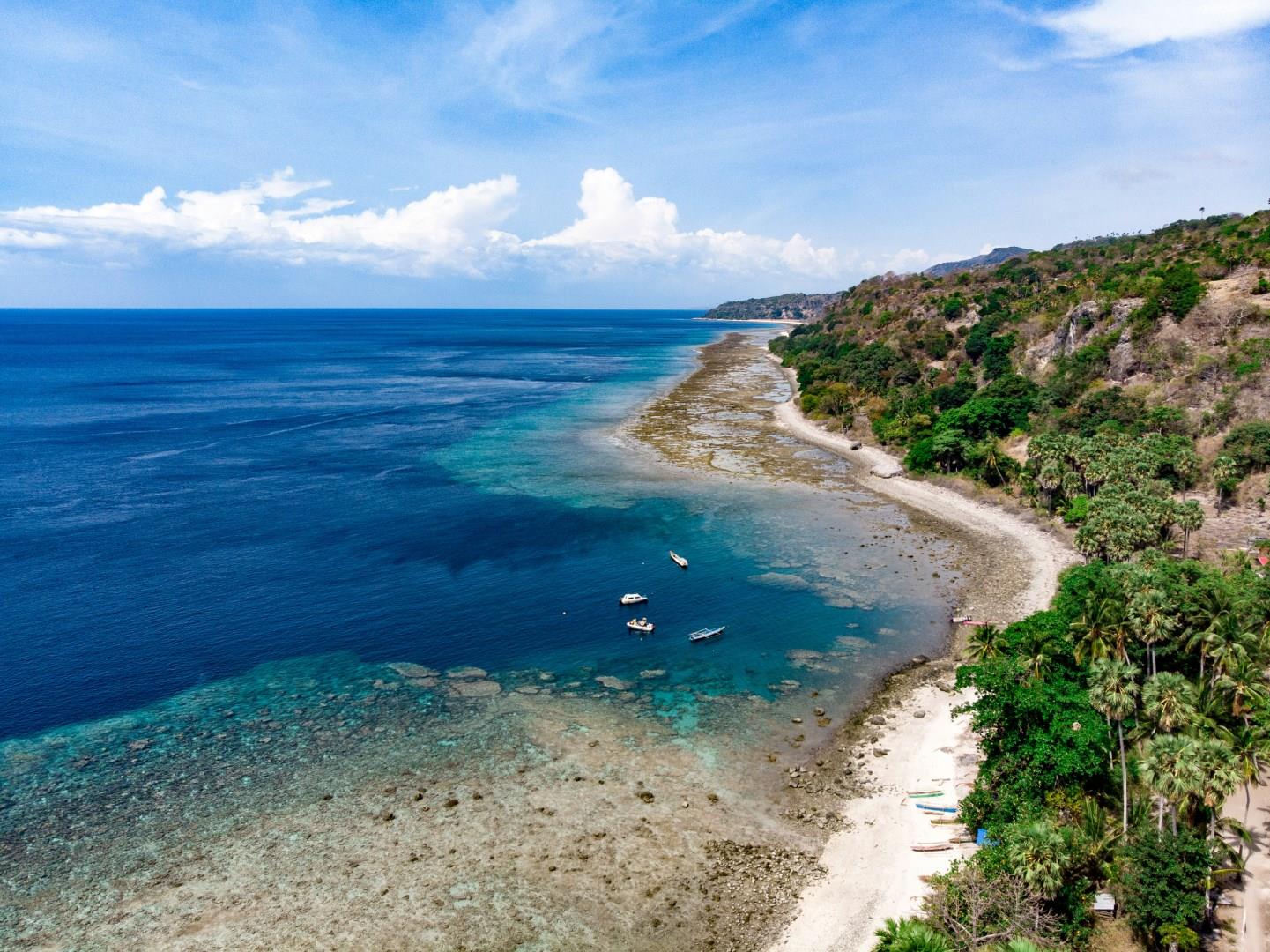
Adara is a small, remote village on Atauro Island in Timor-Leste, known for its quiet charm and deep connection to the sea. Nestled between steep mountain slopes and the turquoise waters of the Wetar Strait, the community lives largely from fishing and small-scale agriculture.

Bora Bora
Bora Bora, often referred to as the "Jewel of the South Seas," is the epitome of tropical luxury. Nestled in the Society Islands of French Polynesia, this idyllic island is famed for its stunning turquoise lagoon, ringed by a barrier reef and dotted with overwater bungalows.