

Oregon
Oregon invites travelers to experience landscapes and stories that shift dramatically from one region to the next. In the south, Crater Lake National Park holds the title of deepest lake in the U.S., formed inside the remains of an ancient volcano. With its intense blue color and dramatic cliffs, the lake draws visitors year-round for hiking, snowshoeing, or simply standing in awe.

Thessaloniki
A rich experience awaits you in this wealthy, energetic and youthful Greek city. Revel in cosmopolitan pleasures: sophisticated shops and cafes, markets hidden away beyond historic city squares, and the superlative Archaeological Museum are but a few.
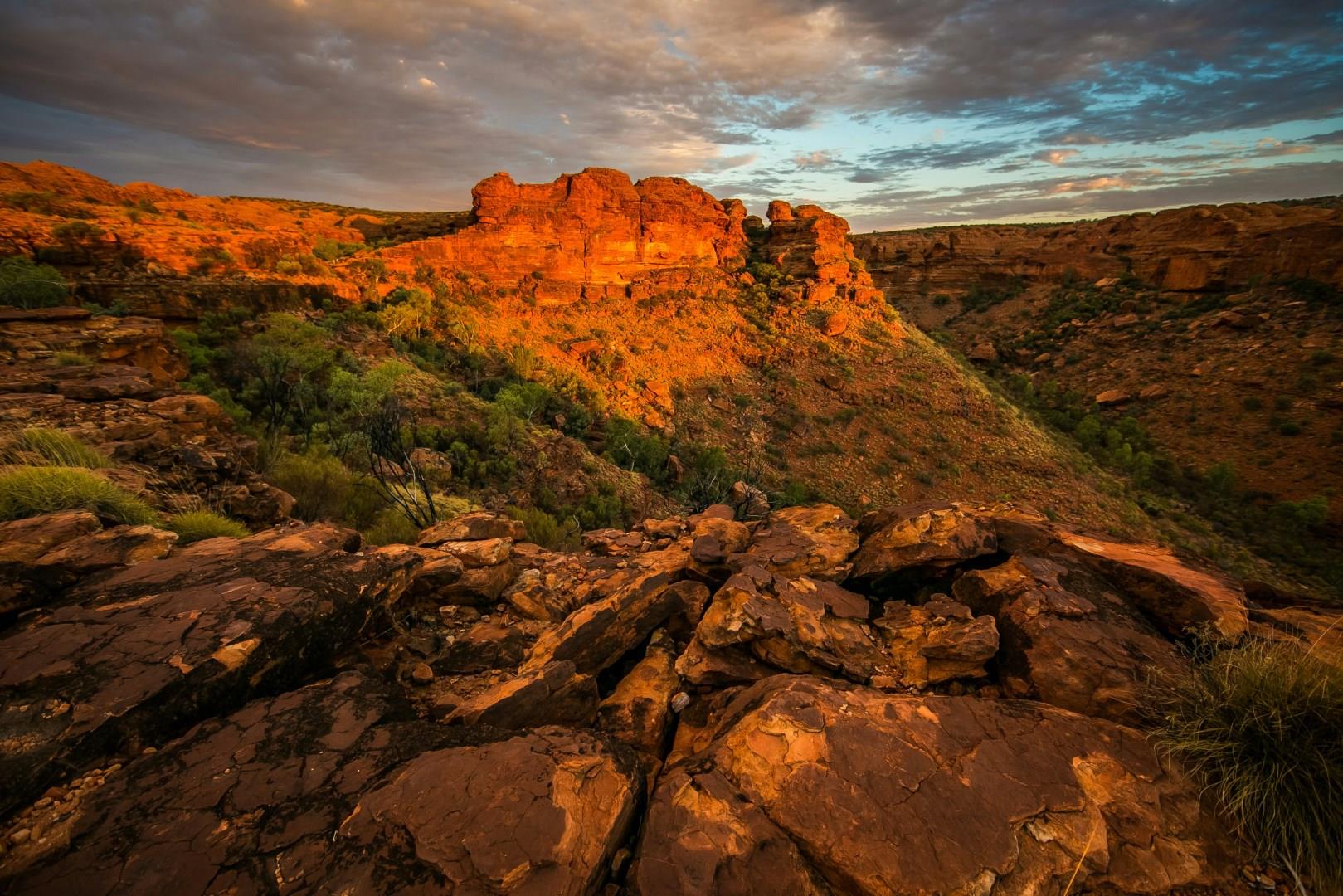
Kings Canyon
Kings Canyon, located in Australia’s Northern Territory within Watarrka National Park, is one of the Red Centre’s most striking natural landmarks. Carved over millions of years, the canyon holds deep cultural significance for the Anangu people, particularly the Luritja, for whom the area remains a sacred landscape tied to creation stories, ceremony, and traditional knowledge.
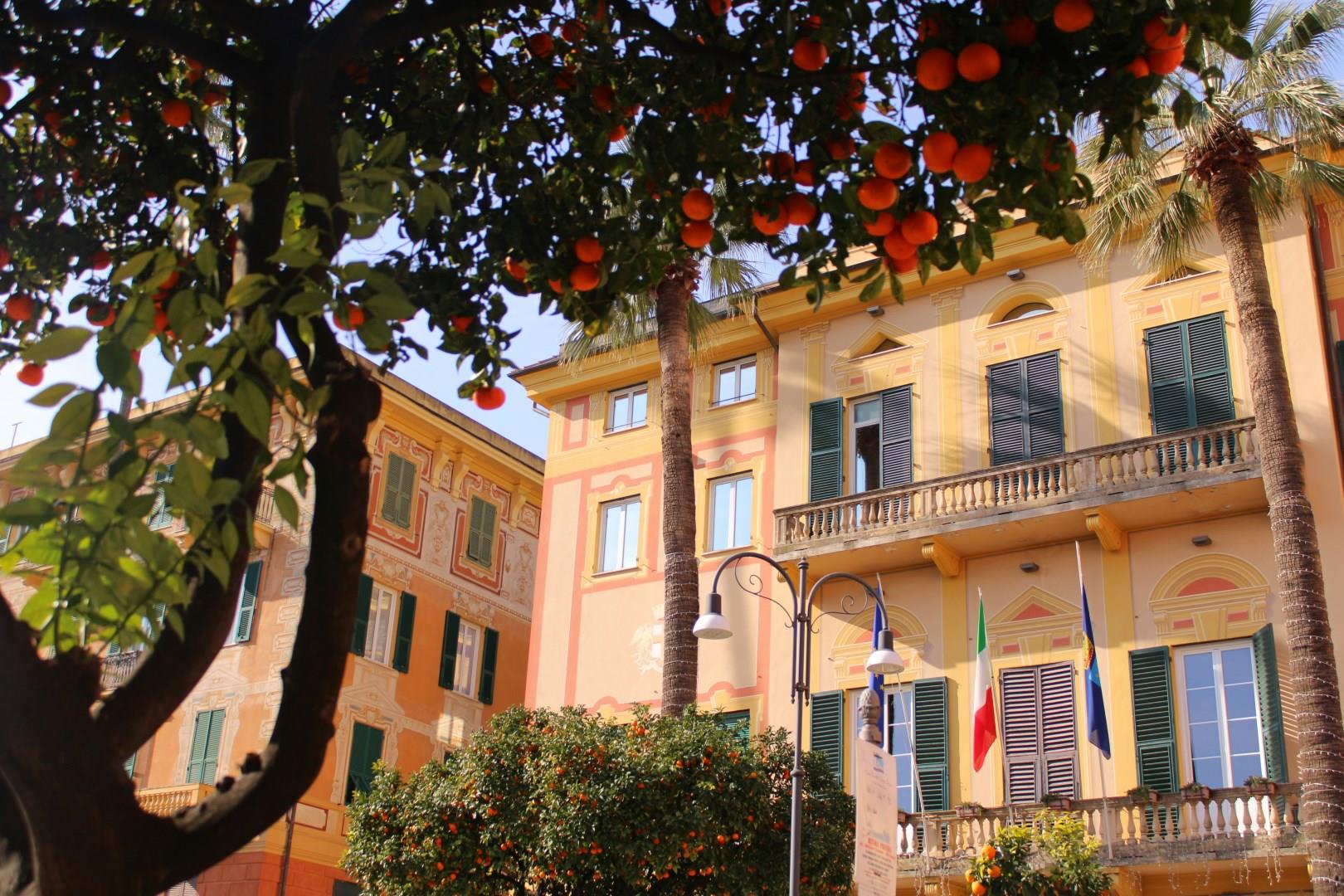
Santa Margherita Ligure
Santa Margherita Ligure, a seaside town on Italy’s Ligurian Riviera, offers a blend of coastal scenery, elegant architecture, and maritime traditions. Nestled between Rapallo and Portofino, it has long attracted travelers seeking both relaxation and a glimpse of authentic Italian life. The town’s waterfront is lined with pastel-colored buildings, fishing boats, and palm trees, creating a scene that feels both timeless and lively.

Mekong River
The Mekong River, one of the world’s most iconic waterways, flows through six countries in Southeast Asia (China, Myanmar, Laos, Thailand, Cambodia, and Vietnam). Stretching over 4,300 kilometers, the Mekong weaves through lush landscapes, villages, and historic cities, making it an unforgettable destination for those seeking adventure. Cruising along the river is one of the best ways to explore its wonders, from the tranquil waters of Laos to the floating markets of Vietnam.
