

Cotswolds
The Cotswolds, a quintessentially English region known for its rolling hills, honey-colored stone cottages, and picturesque villages, offers a serene escape into the heart of the English countryside. Stretching across several counties, including Gloucestershire and Oxfordshire, the Cotswolds is designated as an Area of Outstanding Natural Beauty (AONB), a testament to its stunning landscapes and charming heritage.

Kranjska Gora
Nestled in the Julian Alps of Slovenia, Kranjska Gora is a charming alpine town known for its stunning landscapes and outdoor activities. This picturesque destination offers a gateway to breathtaking natural beauty, from the snow-capped peaks of the Julian Alps to the lush, green valleys that surround the town.

Wrangell
Nestled at the confluence of the Stikine and Wrangell Rivers, Wrangell, Alaska, offers a unique blend of history, culture, and natural beauty. This charming city, with its rich Tlingit heritage and historic sites, is an ideal destination for those seeking an authentic Alaskan experience.
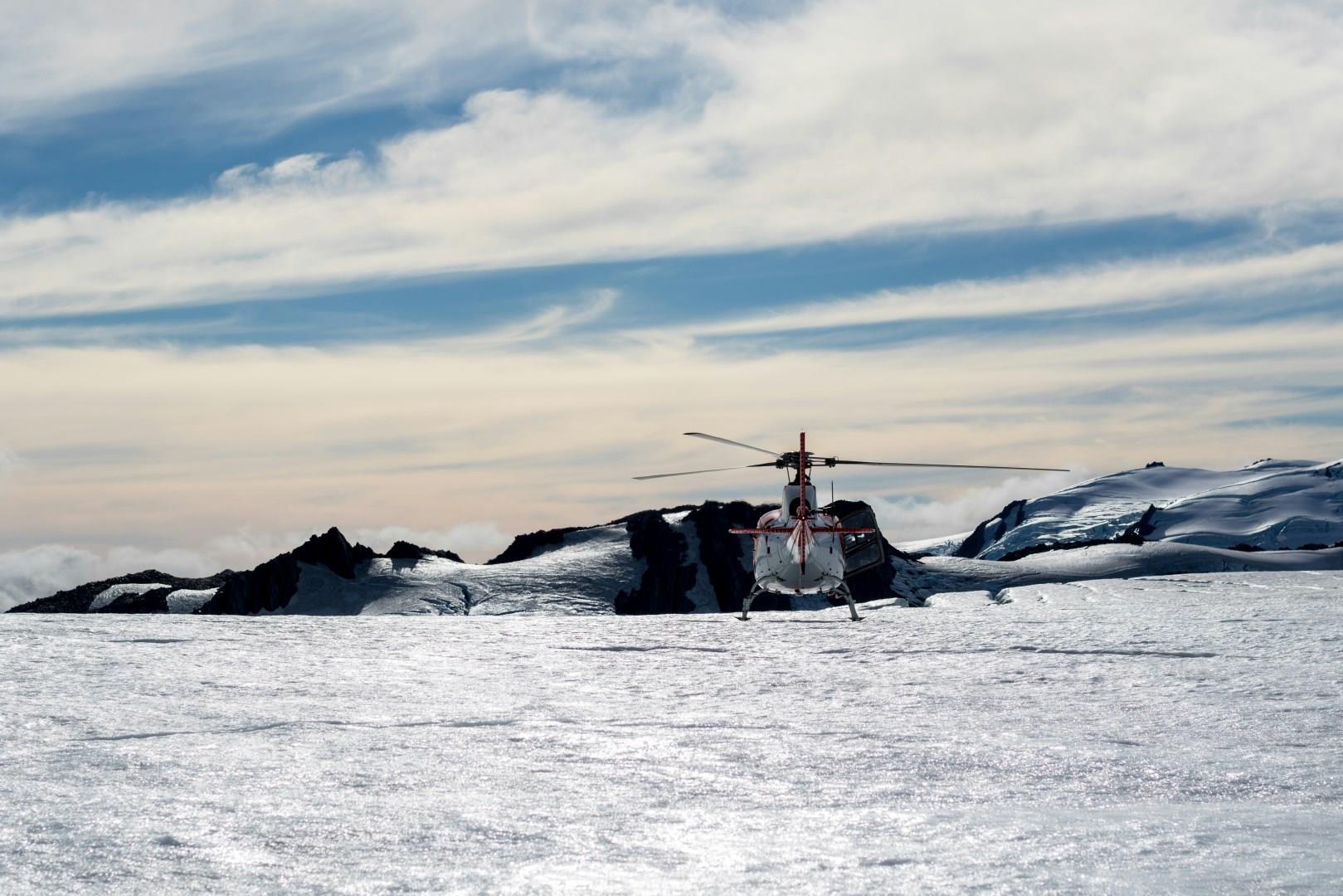
Fox Glacier
Fox Glacier, on New Zealand’s South Island, is one of the country’s most remarkable natural wonders, where icy landscapes meet lush rainforest. Named after Sir William Fox, a 19th-century Prime Minister of New Zealand, the glacier stretches from the high peaks of the Southern Alps down into temperate rainforest.
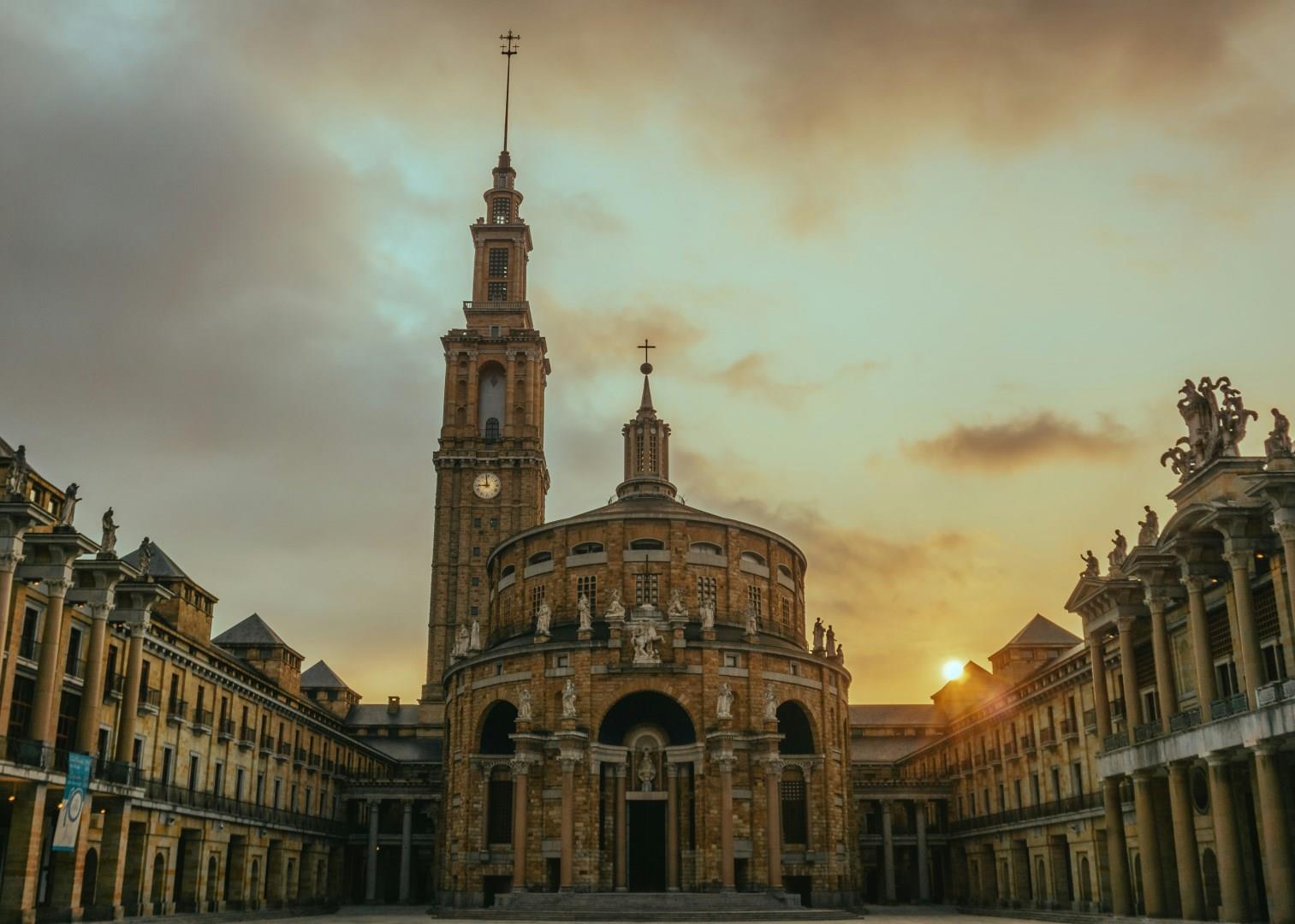
Gijon
Gijón sits on Spain’s northern coast in Asturias, shaped by its long relationship with the Cantabrian Sea. From its origins as a Roman settlement to its later growth as an industrial and port city, Gijón has balanced maritime work with civic life.
