
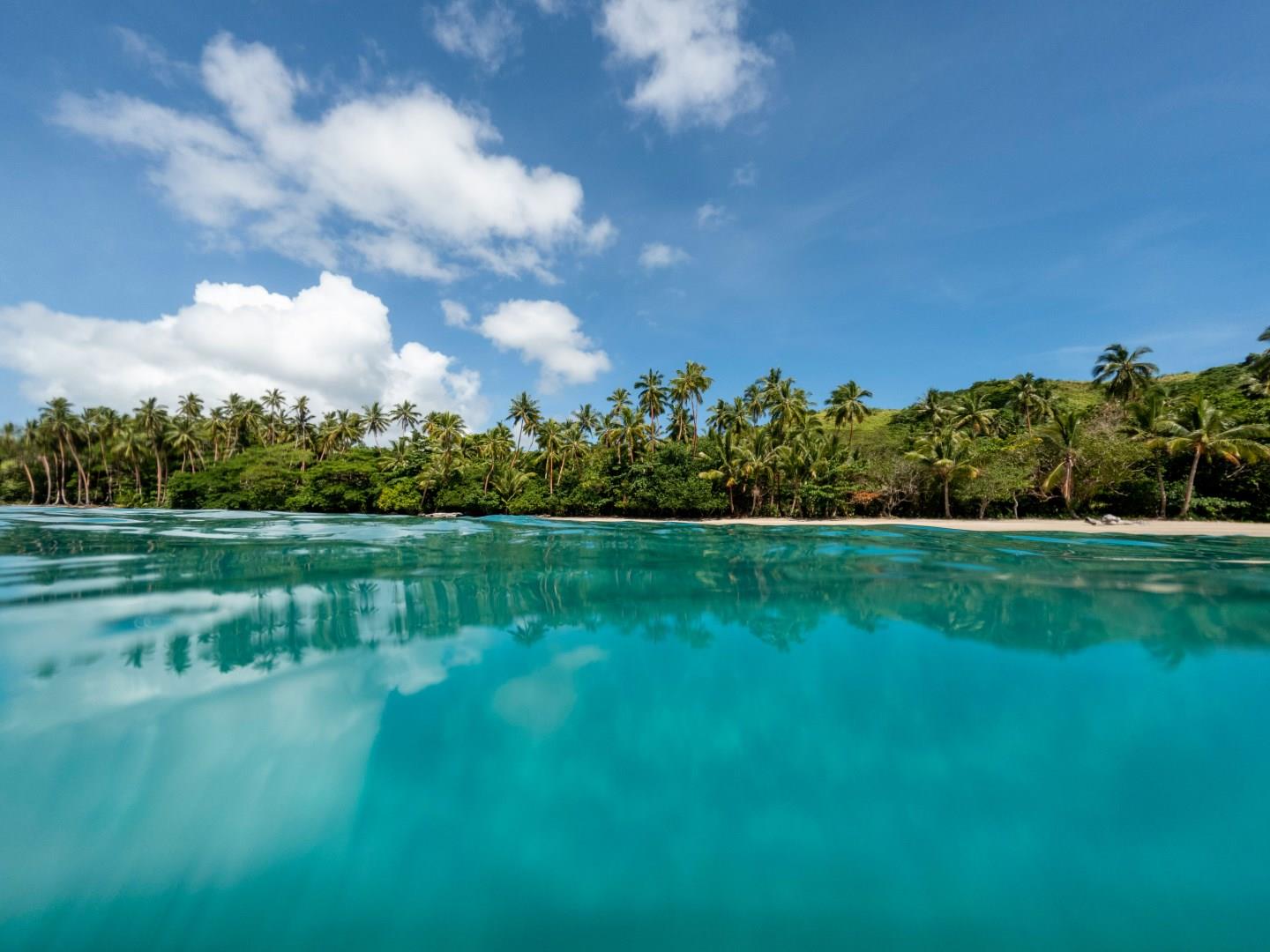
Vanua Balavu Island
Vanua Balavu is one of the Lau Islands in eastern Fiji, a secluded gem where traditional Fijian culture and natural beauty flourish in harmony. Surrounded by turquoise waters and coral reefs, the island offers a serene escape from bustling tourist areas, with small villages, coconut groves, and rugged hills shaping its peaceful landscape.

Viñales
Nestled in the lush landscapes of western Cuba, Viñales offers an enchanting escape into a world where time seems to slow down amidst breathtaking natural beauty. Renowned for its striking limestone formations, known as mogotes, the Viñales Valley is a UNESCO World Heritage Site and a paradise for nature enthusiasts. The valley's dramatic scenery provides an ideal backdrop for hiking, horseback riding, and exploring underground caves like the Cueva del Indio.

Mostar
Mostar, a picturesque city in Bosnia and Herzegovina, offers a captivating blend of history, culture, and natural beauty. Renowned for its iconic Stari Most (Old Bridge), this 16th-century Ottoman structure arches gracefully over the Neretva River, symbolizing the city’s historical role as a bridge between East and West.
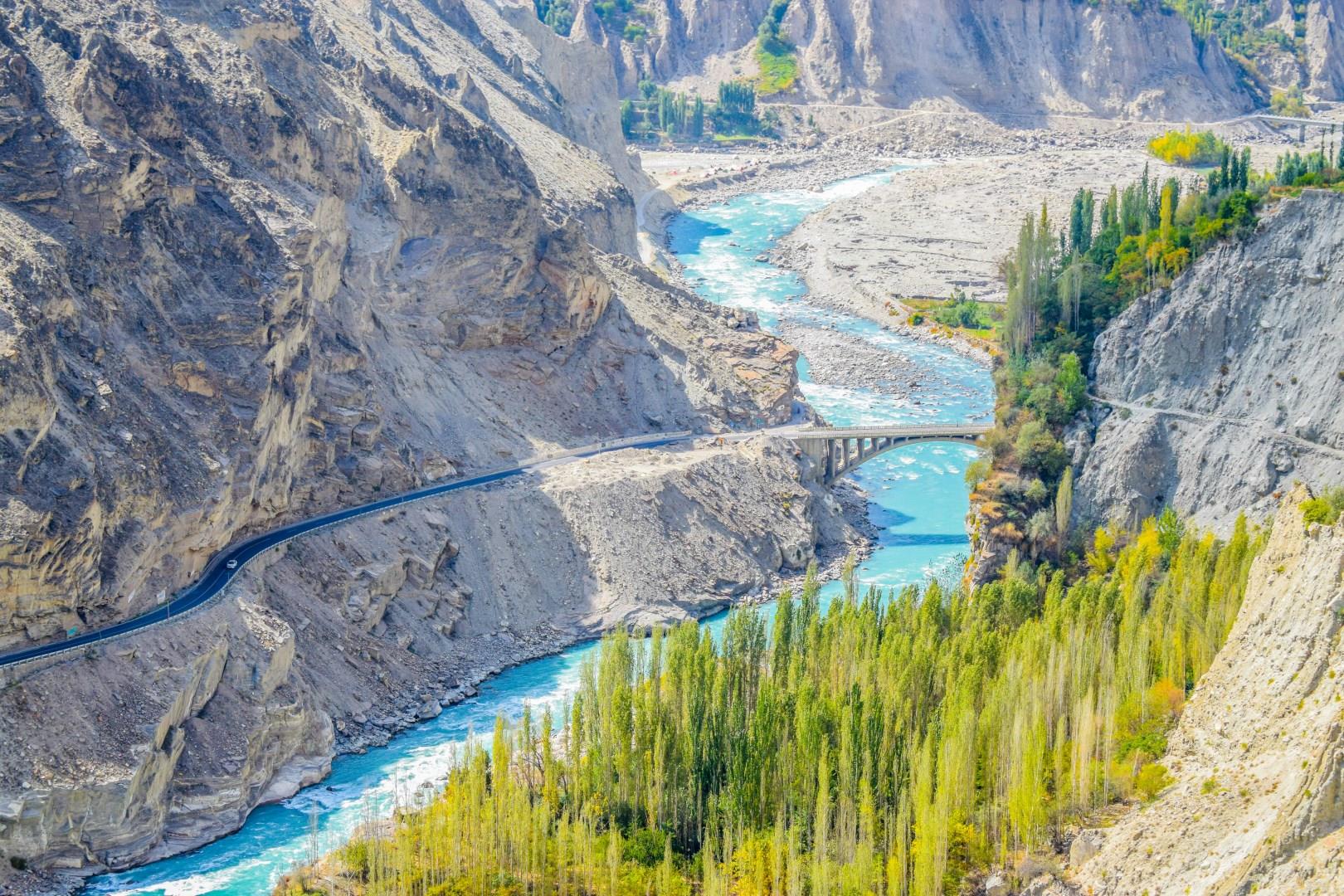
Pakistan
Pakistan is a country of remarkable diversity, combining mountains, deserts, rivers, and coastal areas. The northern regions feature some of the world’s highest peaks, including K2, while the southern plains are home to fertile agricultural land and the port city of Karachi.

Novi Sad
Novi Sad, Serbia’s second-largest city, sits along the banks of the Danube River and has long served as a cultural meeting point in the Balkans. Its centerpiece is Petrovaradin Fortress, a massive 18th-century stronghold nicknamed the "Gibraltar on the Danube." The fortress is known not just for its historic architecture but also for its network of underground tunnels and the iconic clock tower where the hands are reversed, meaning the large hand shows the hour.
