

Alyeska
A true destination, Alyeska is Alaska's biggest ski area. At the summit sits Mt. Alyeska Roundhouse, the state's only mountaintop museum.
Nadi
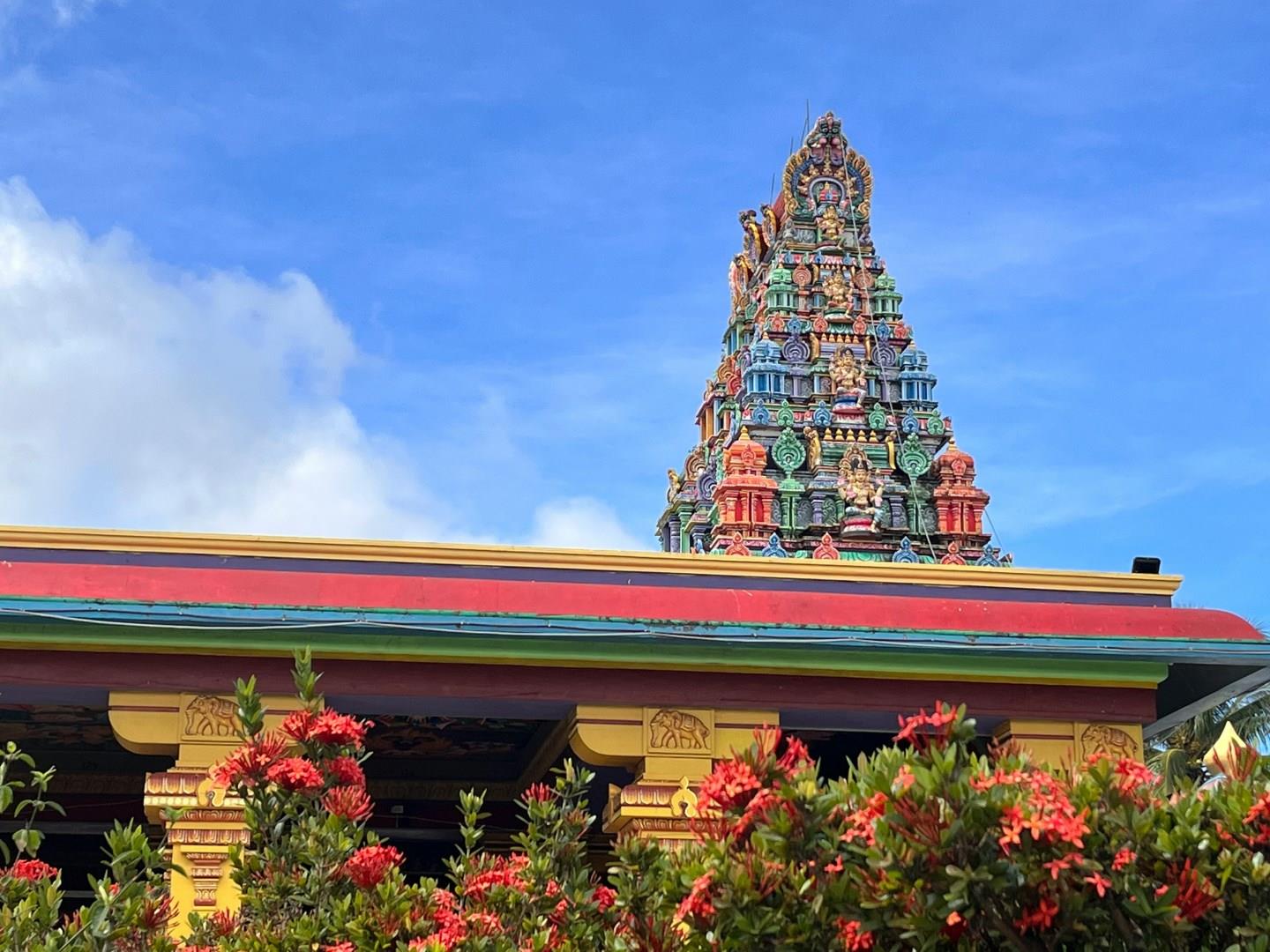
Nadi, a vibrant city on Fiji's western coast, offers a gateway to some of the South Pacific's most enchanting experiences. Known for its bustling markets and lively atmosphere, Nadi is a hub of culture and activity. A must-see is the Sri Siva Subramaniya Temple, the largest Hindu temple in the Southern Hemisphere, renowned for its intricate Dravidian architecture and colorful frescoes. The temple’s vibrant and spiritual ambiance provides a glimpse into Fiji's rich Indian heritage.
Alberobello
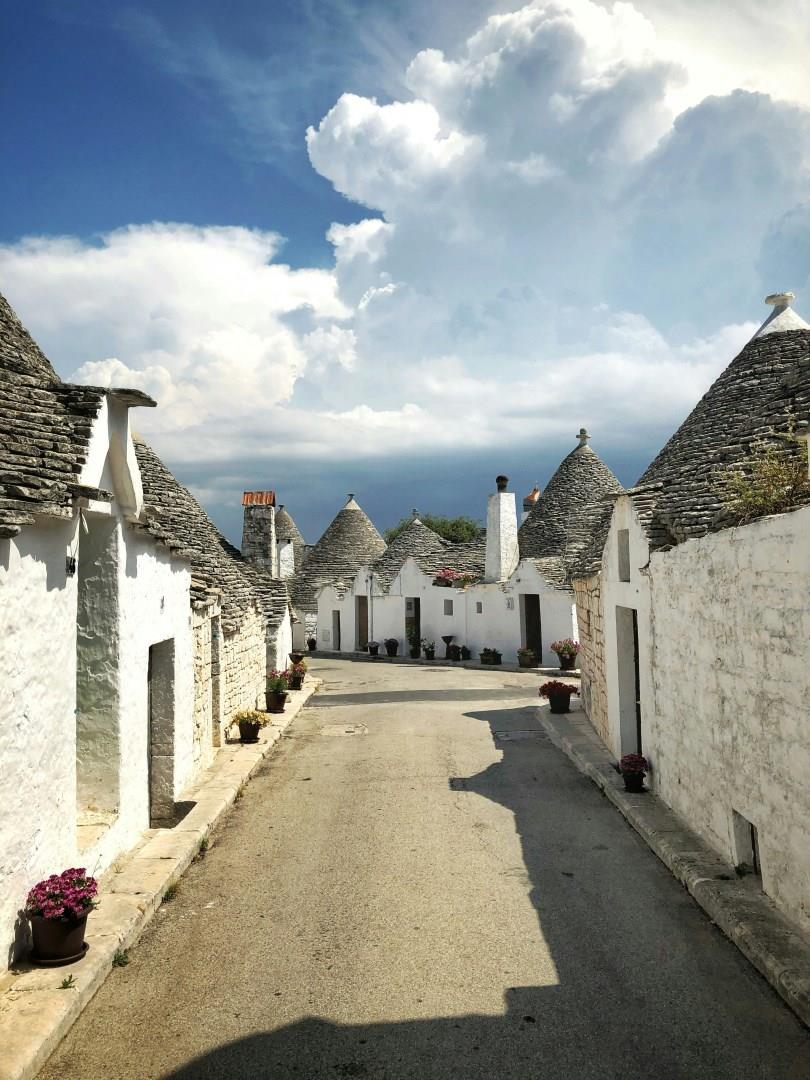
Alberobello in southern Italy’s Puglia region captures the imagination with its distinctive trulli houses. These structures were built using a dry-stone technique passed down over centuries, without mortar or cement, and their unique form comes from layer upon layer of limestone nestled from nearby fields. Alberobello’s trulli are so remarkable that in 1996 the historic center was inscribed as a UNESCO World Heritage Site, where more than 1,600 of these buildings still stand.
Querétaro
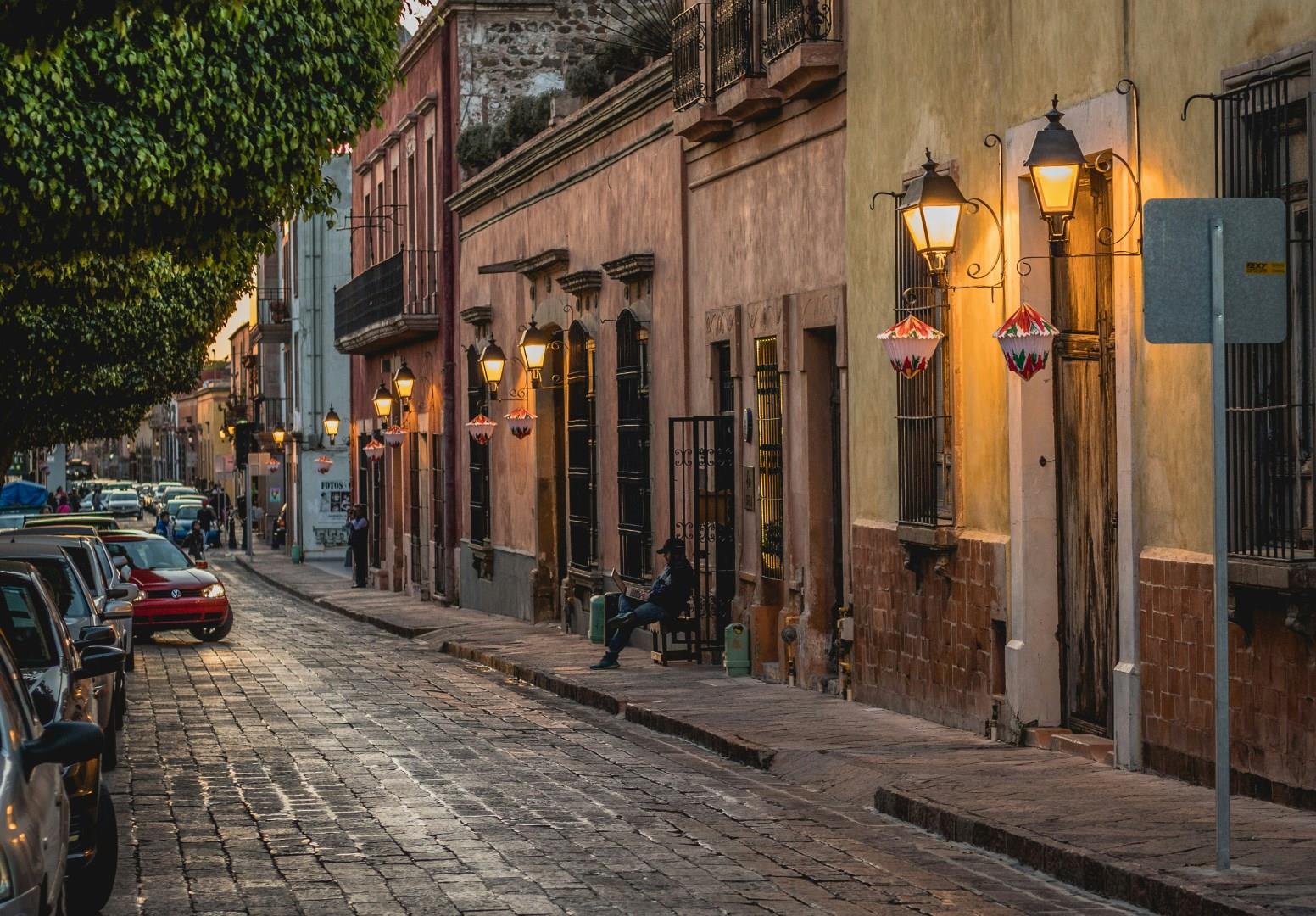
Querétaro, located in the heart of central Mexico, is a city where centuries of history are still visible in daily life. Its historic center, a UNESCO World Heritage Site, features narrow streets, elegant plazas, and baroque churches that reflect its colonial past. One of the city’s most iconic landmarks is the massive aqueduct, built in the 18th century with 74 stone arches stretching nearly a mile across the landscape.
Oviedo
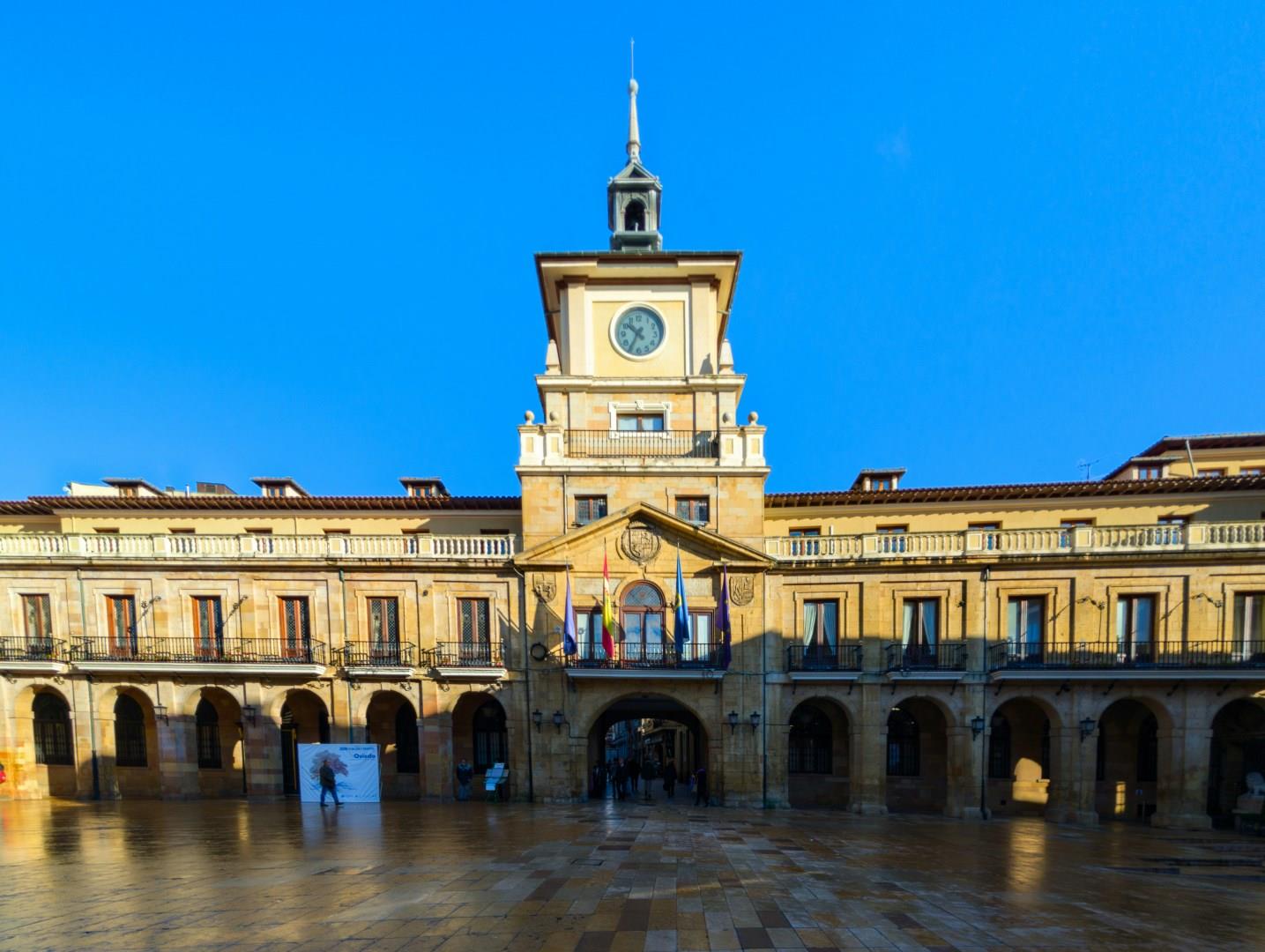
Oviedo, the capital of Asturias in northern Spain, offers a rare mix of medieval heritage and everyday life that feels rooted rather than staged. The city’s historic center is home to some of the oldest pre-Romanesque buildings in Europe, including the UNESCO-listed Santa María del Naranco and San Miguel de Lillo. Cider, not wine, defines the local table. Oviedo is surrounded by apple orchards, and the traditional drink, sidra natural, is poured from a height by skilled escanciadores.
