
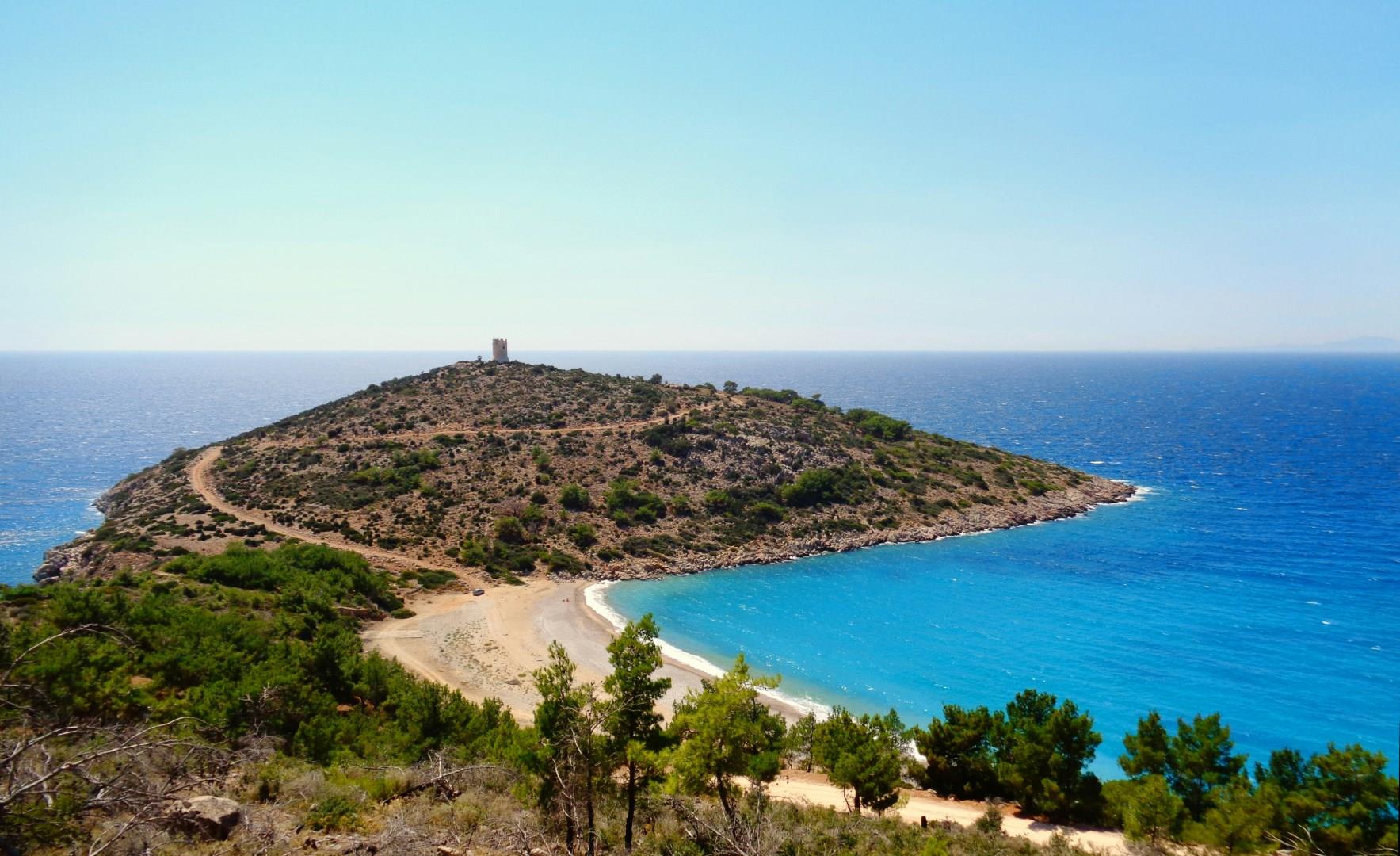
Chios
Chios lies in the northeastern Aegean, close enough to the Turkish coast that the mainland feels present in daily life.

Cuba
Cuba is an island nation where history, culture, and natural beauty intertwine in captivating ways. Known for its Spanish colonial architecture, vibrant music, and revolutionary legacy, the country offers a fascinating window into both the Caribbean and Latin American worlds. Havana, with its colorful facades, classic American cars, and lively plazas, embodies Cuba’s charm and resilience, while towns like Trinidad and Cienfuegos showcase UNESCO-listed heritage and a slower pace of life.
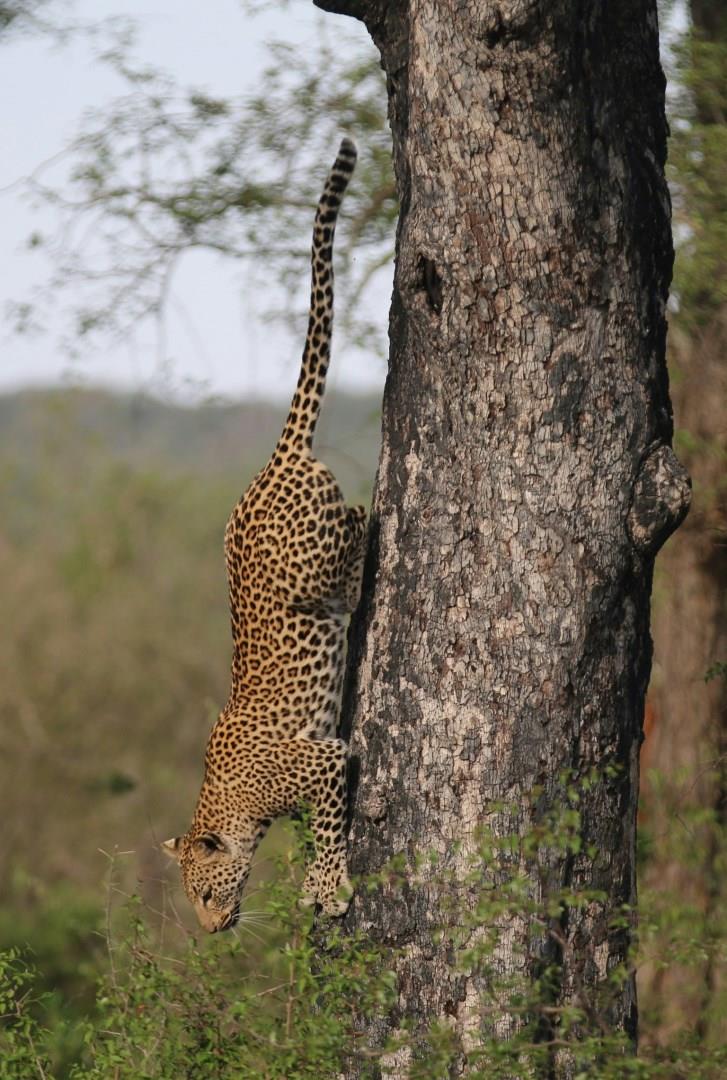
Sabi Sand Nature Reserve
Sabi Sands Nature Reserve, located in South Africa’s Mpumalanga province, is one of the country’s most renowned private game reserves. Sharing an unfenced boundary with the Kruger National Park, it offers visitors a chance to see Africa’s iconic wildlife in an environment that feels both wild and exclusive. The reserve is particularly famous for its sightings of the Big Five (lion, leopard, elephant, buffalo, and rhino) often spotted during guided game drives at dawn and dusk.

Rhine Valley
The Rhine Valley offers a unique blend of historic landmarks, cultural traditions, and natural splendor. Whether exploring ancient castles, savoring local wines, or simply cruising along the river, visitors will find endless opportunities to create lasting memories in this enchanting region.

Dorset
Dorset, a picturesque county on England’s southern coast, is a haven for history lovers, nature enthusiasts, and seaside wanderers alike. Known for its rolling hills, sandy beaches, and charming towns, Dorset offers a perfect blend of scenic beauty and cultural heritage. The county is home to part of the Jurassic Coast, a UNESCO World Heritage Site renowned for its dramatic cliffs and fossil-rich beaches.
