
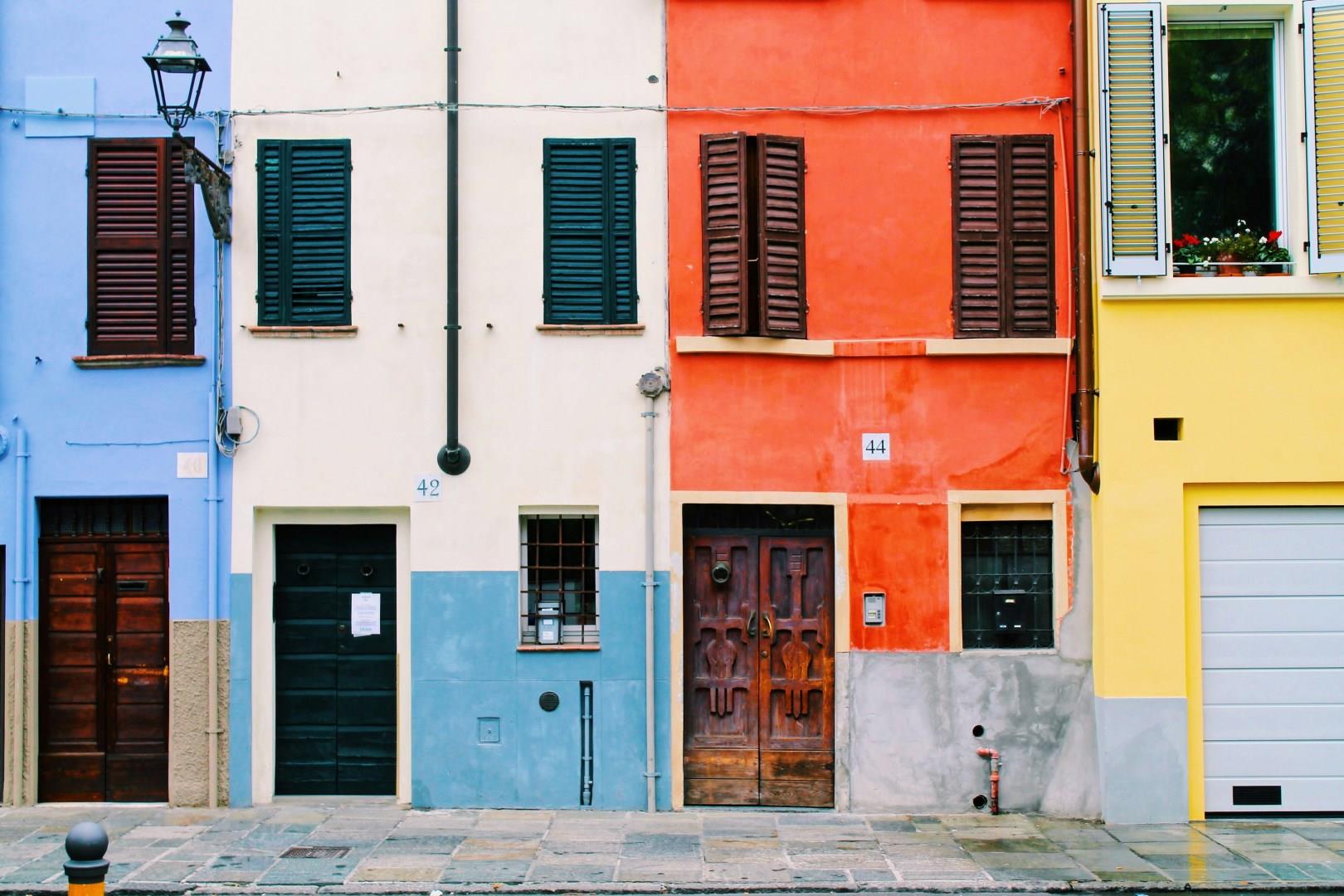
Parma
Parma, in Italy’s Emilia-Romagna region, is a city where art, history, and gastronomy intertwine. Known worldwide as the birthplace of Parmesan cheese and Parma ham, the city has long been a culinary capital, but its cultural depth extends far beyond the table.

Mara River
The Mara River in Tanzania is a natural wonder that draws adventurers and wildlife enthusiasts alike. Flowing through the heart of the Serengeti and into Kenya’s Maasai Mara, this river is best known as the lifeblood of the Great Migration. Each year, from July to October, millions of wildebeest, zebras, and gazelles make a perilous crossing of the Mara. It’s a spectacle of nature that leaves visitors in awe, making it one of Africa’s most sought-after safari experiences.
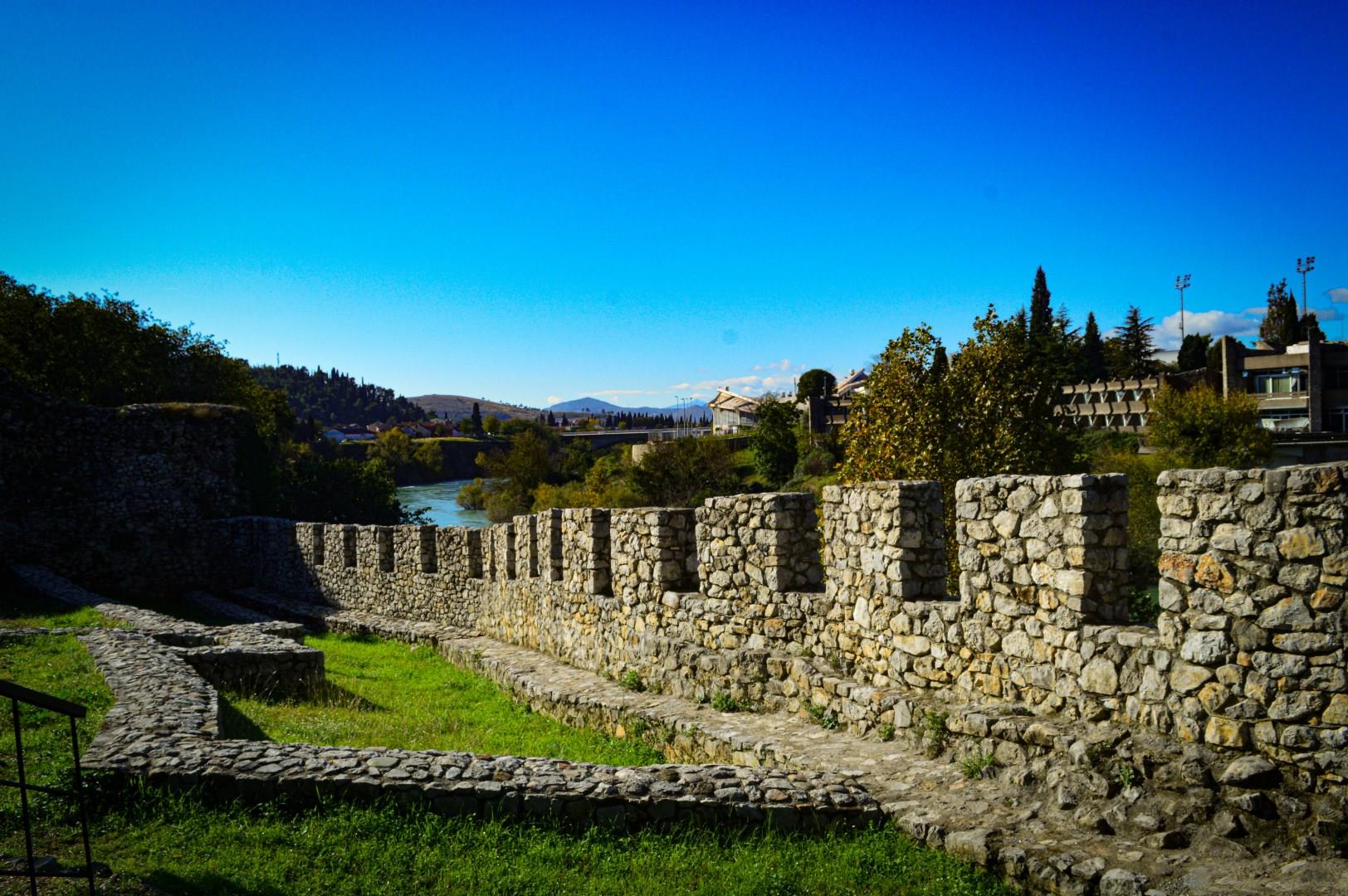
Podgorica
Podgorica, the capital of Montenegro, showcases the country’s contrasting landscapes and deep-rooted history. Although much of the city was rebuilt after World War II, traces of its Roman and Ottoman past still remain. Visitors can explore the ruins of Doclea, a Roman settlement just outside the city, where surviving columns and mosaics give a glimpse into life nearly two millennia ago.

Grand Turk
Grand Turk, the historic and administrative heart of the Turks and Caicos Islands, offers a blend of heritage and relaxed island charm. The small capital of Cockburn Town is lined with 18th- and 19th-century colonial buildings, pastel-colored cottages, and narrow streets that reflect the island’s ties to the salt trade and British colonial past.

Philipsburg
The capital of Saint Maarten, the Dutch side of this two nation island, Philipsburg is located on the isthmus between Groot Baai (Great Bay) and the Salt Pond. Founded in 1733 as a free port, the city is now the home to outstanding shopping, casinos, and a variety of hotels and resorts, including nearby Mullet Bay Resort and Golf Club.
