

Tallinn
From grand castles to resplendent cathedrals, Tallinn’s Old Town neighborhood, a UNESCO World Heritage Site, is the perfect place to begin exploring. Enter through Viru Väravad, or Viru Gate, the former fortress whose remaining two towers beckon you into the heart of the city.
Ile a Vache
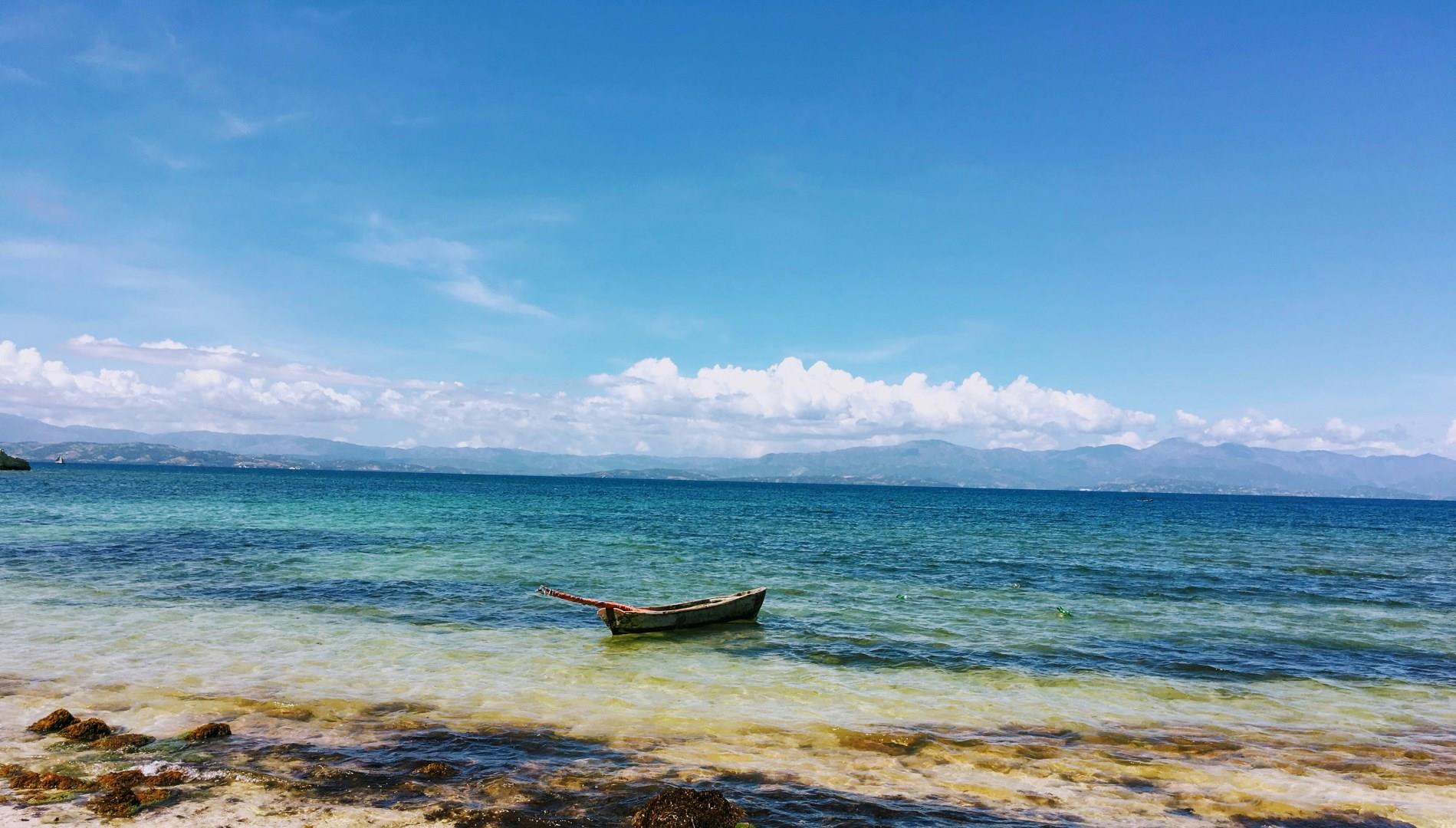
Ile a Vache, or "Cow Island," is a tranquil paradise off Haiti’s southern coast, offering a rare glimpse into an unspoiled Caribbean escape. With its pristine beaches, crystal-clear waters, and lush landscapes, the island is a haven for nature lovers and those seeking serenity.

Santorini
Visitors to this breathtaking and romantic Cyclades archipelago will gaze at the whitewashed cubiform houses sitting cliffside and hovering over the water.
Ronda
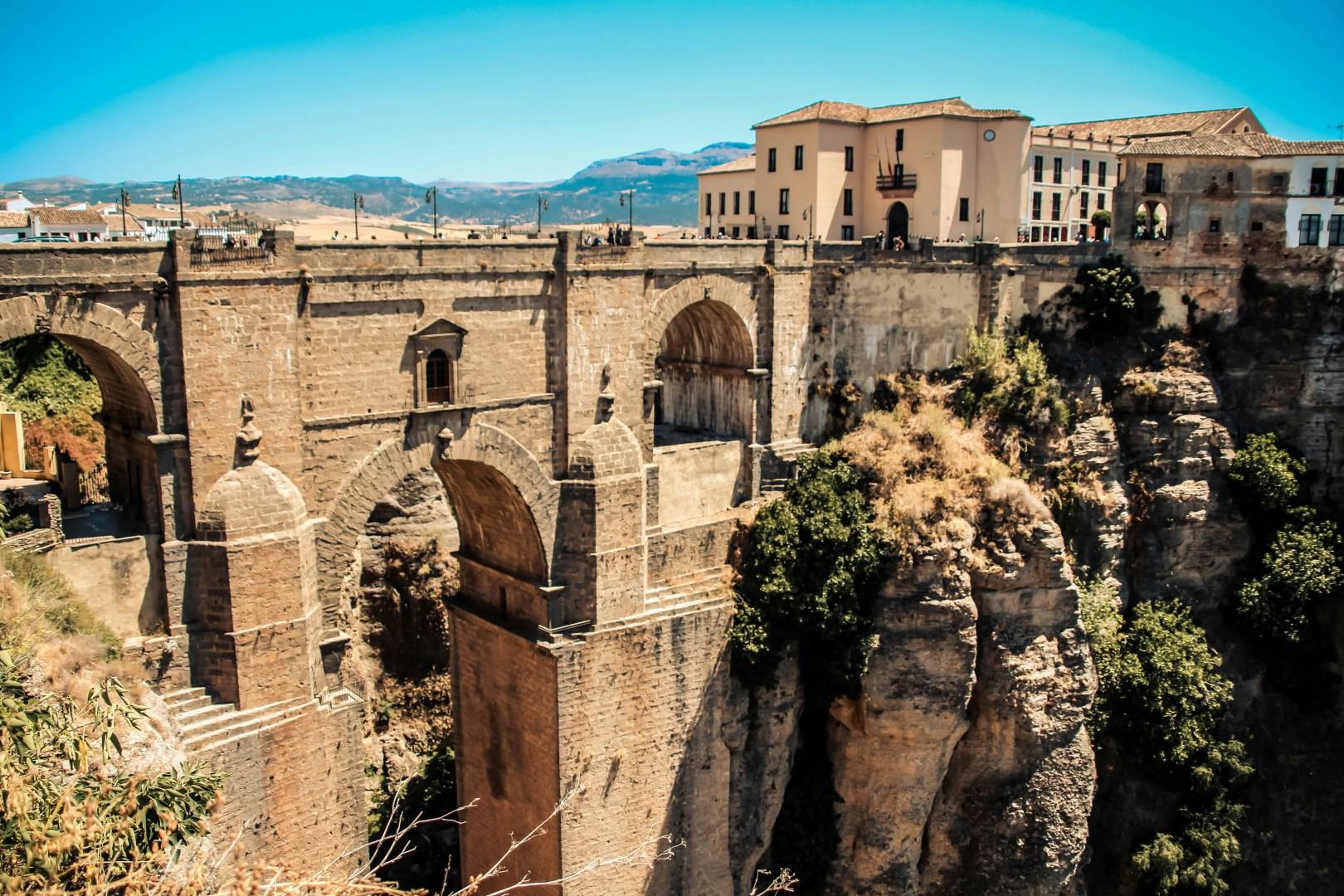
Ronda, perched high above the El Tajo gorge in southern Spain’s Málaga province, offers one of the most dramatic landscapes in Andalusia. The city is split in two by a 120-meter-deep canyon carved by the Guadalevín River, and connected by the iconic Puente Nuevo, an 18th-century stone bridge that took over 40 years to complete. Visitors crossing the bridge can stop at the viewpoint built into the stone itself, once used as a prison.
The Beagle Channel
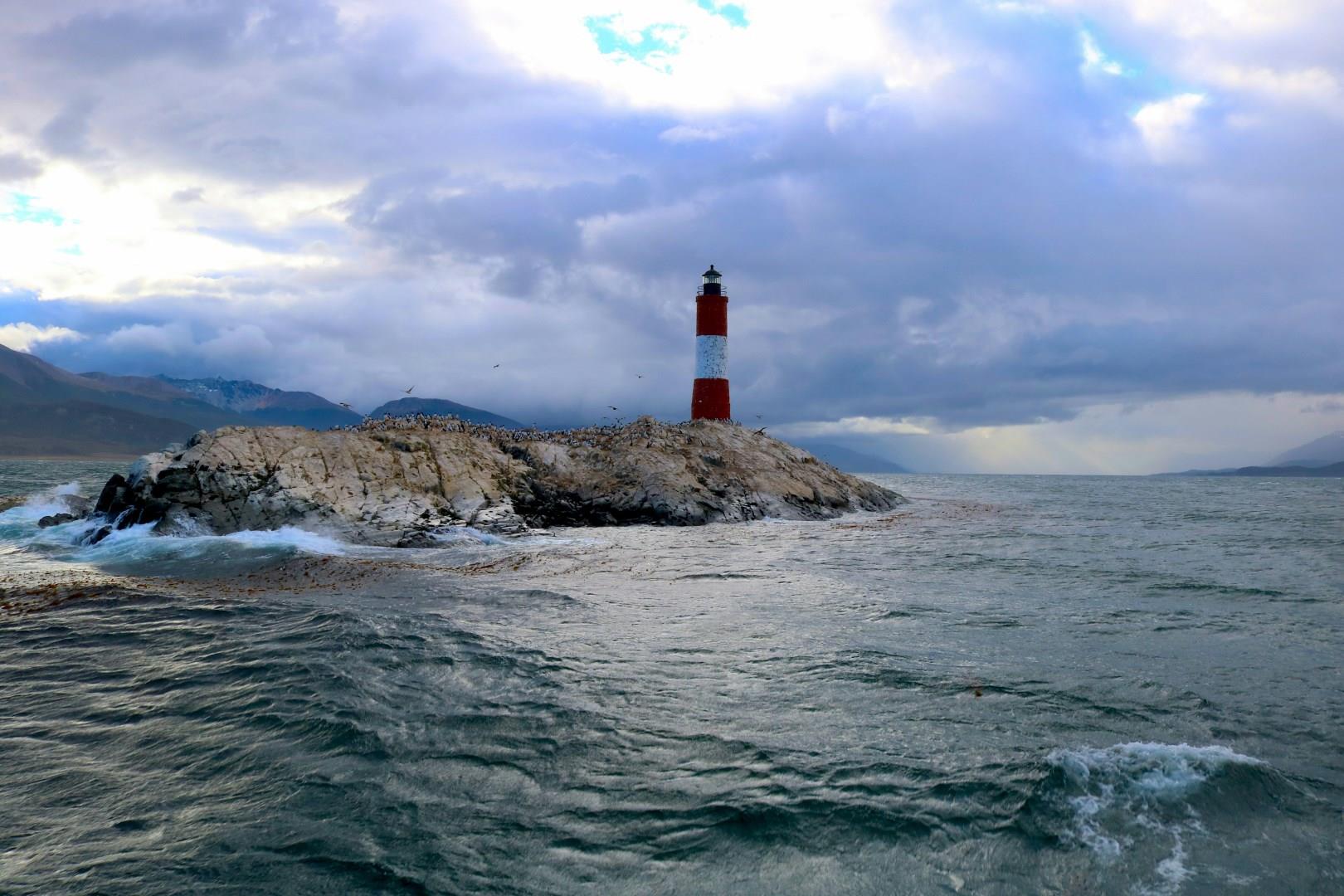
The Beagle Channel, at the southern tip of South America, stretches between Chile and Argentina and offers one of the most striking maritime landscapes in the world. This narrow passage, framed by snow-covered peaks and rocky islands, connects the Atlantic and Pacific Oceans. Its waters are calm compared to the open sea, which has made it a historic navigation route for explorers and sailors for centuries.
