

Newcastle
Newcastle is the capital of the Hunter Valley Region, in New South Wales. Lakes, beaches, rivers and bays, combine with lush countryside to make the Hunter region surrounding Newcastle almost unlimited in its appeal.
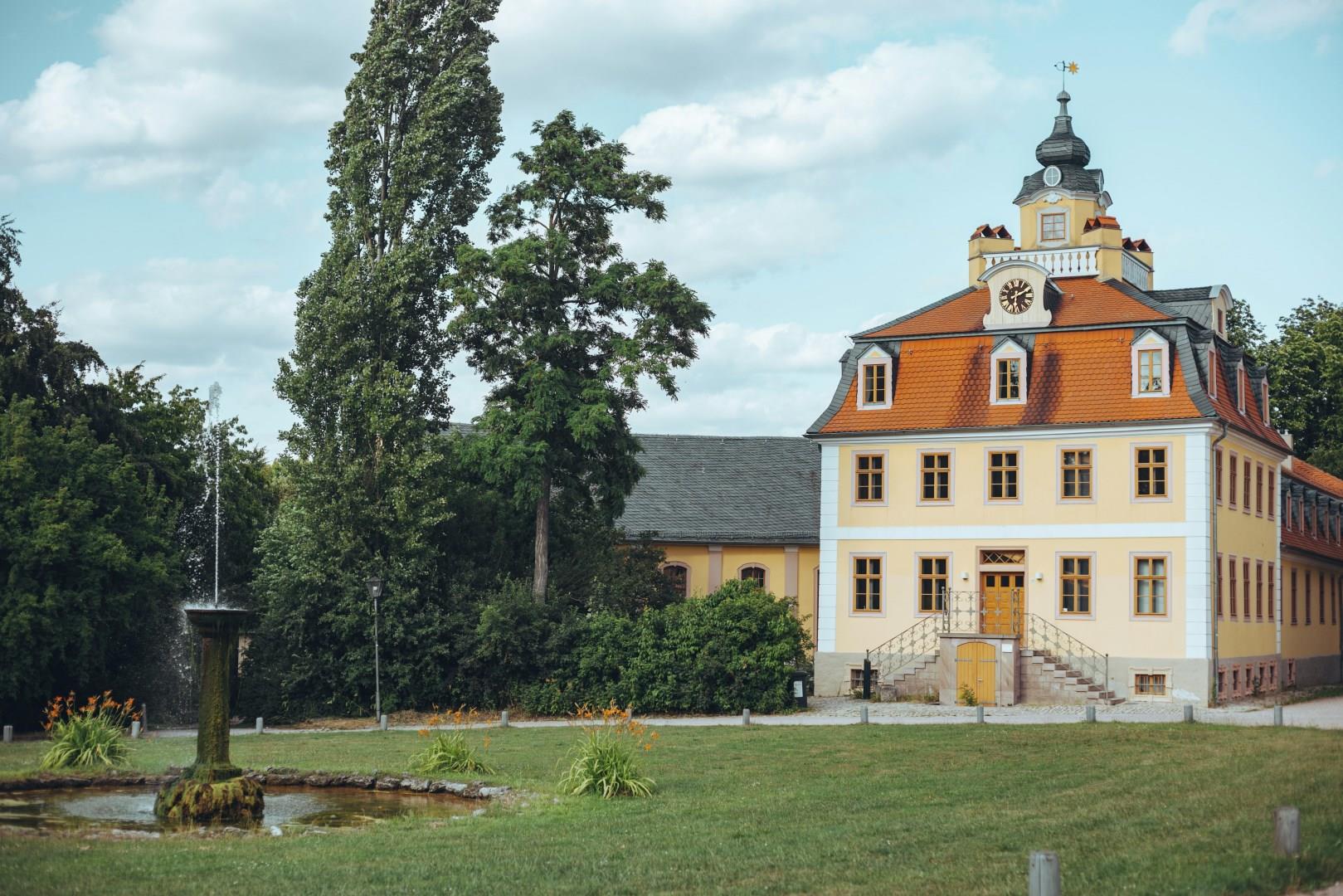
Weimar
Weimar, located in the heart of Germany’s Thuringia region, is a city renowned for its cultural heritage, classical architecture, and pivotal role in European history.

Buenos Aires
Buenos Aires, the vibrant political and cultural capital of Argentina, has become an enticing destination for many travelers and a must-see destination in South America. Founded in the sixteenth century by Spanish explorers, Buenos Aires has since developed its own unique flair.

Yorkshire
Yorkshire, known as "God's Own County," is a must-visit destination for those seeking a blend of stunning natural landscapes, rich history, and vibrant culture. The largest county in England, Yorkshire boasts the breathtaking Yorkshire Dales and North York Moors national parks, where rolling green hills, picturesque villages, and dramatic cliffs meet expansive heather moorlands.
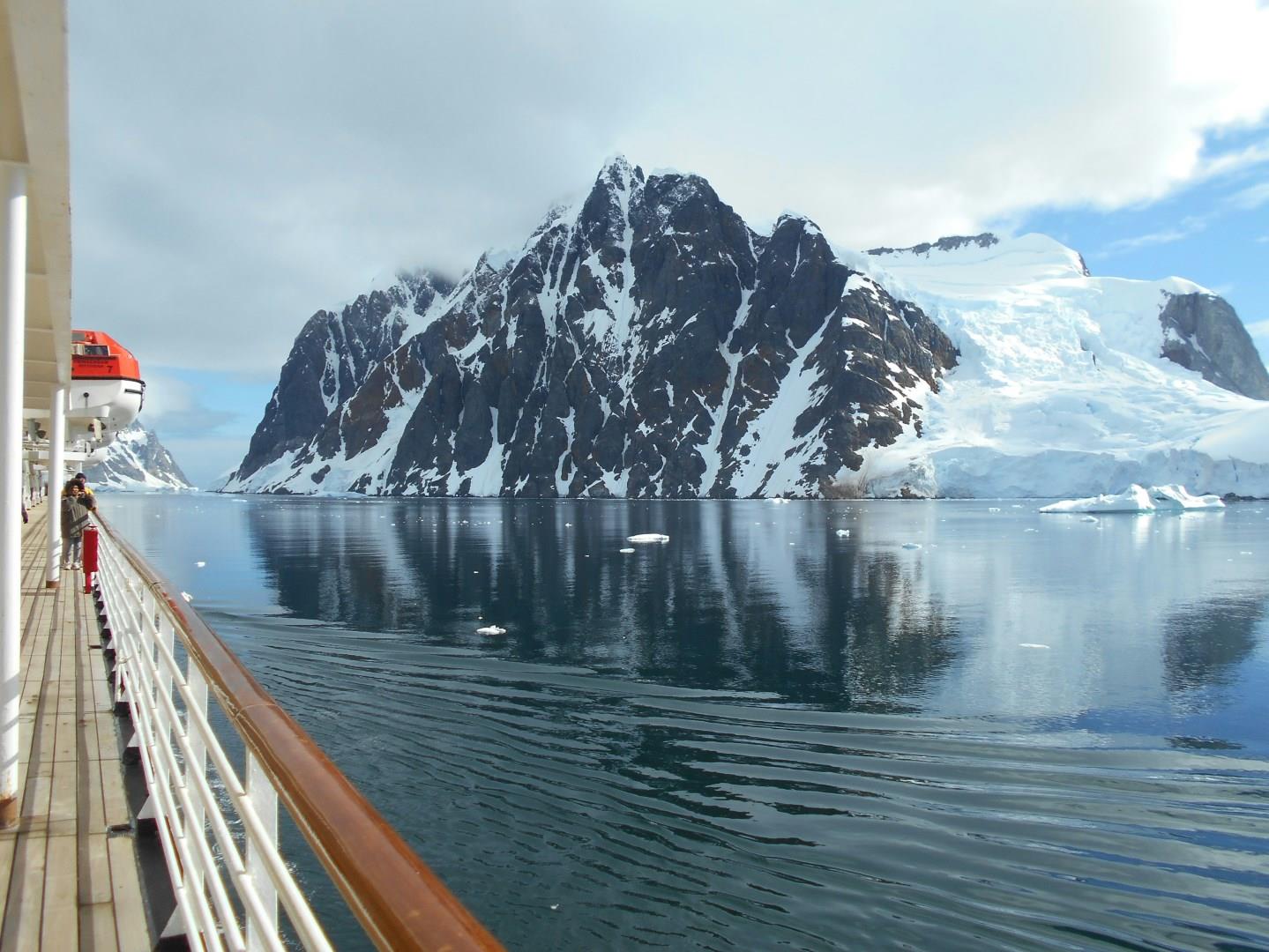
Lemaire Channel
The Lemaire Channel is a spectacular sight with enormous sheer cliffs falling straight into the sea. It's a narrow channel flanked by the Antarctic Peninsula on one side and Booth Island on the other. So photogenic is the channel that it's nicknamed 'Kodak Gap', and it's only once you're well within it that a way through is visible.
