
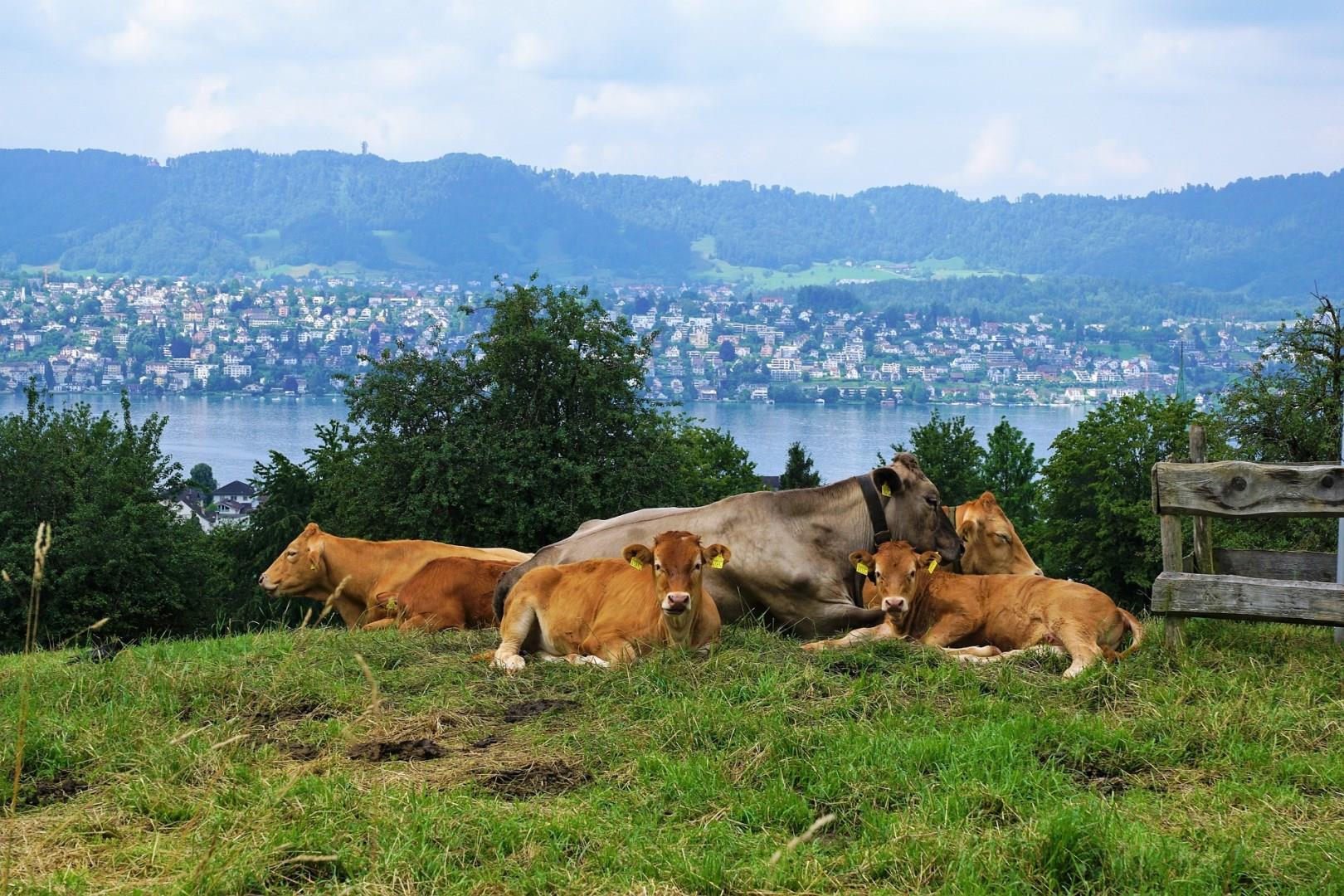
Switzerland
Switzerland's daily life appears to be full of contradictions: the old and the new, natural beauty and industrial production, neutrality and international frankness. These sharp contrasts go hand in hand, and this unity is the real reason that this small country in the heart of Europe has developed into such an important communication and trading partner in the world today. It is Switzerland's contrasts - its diversity which attracts both the businessman and the tourist alike.
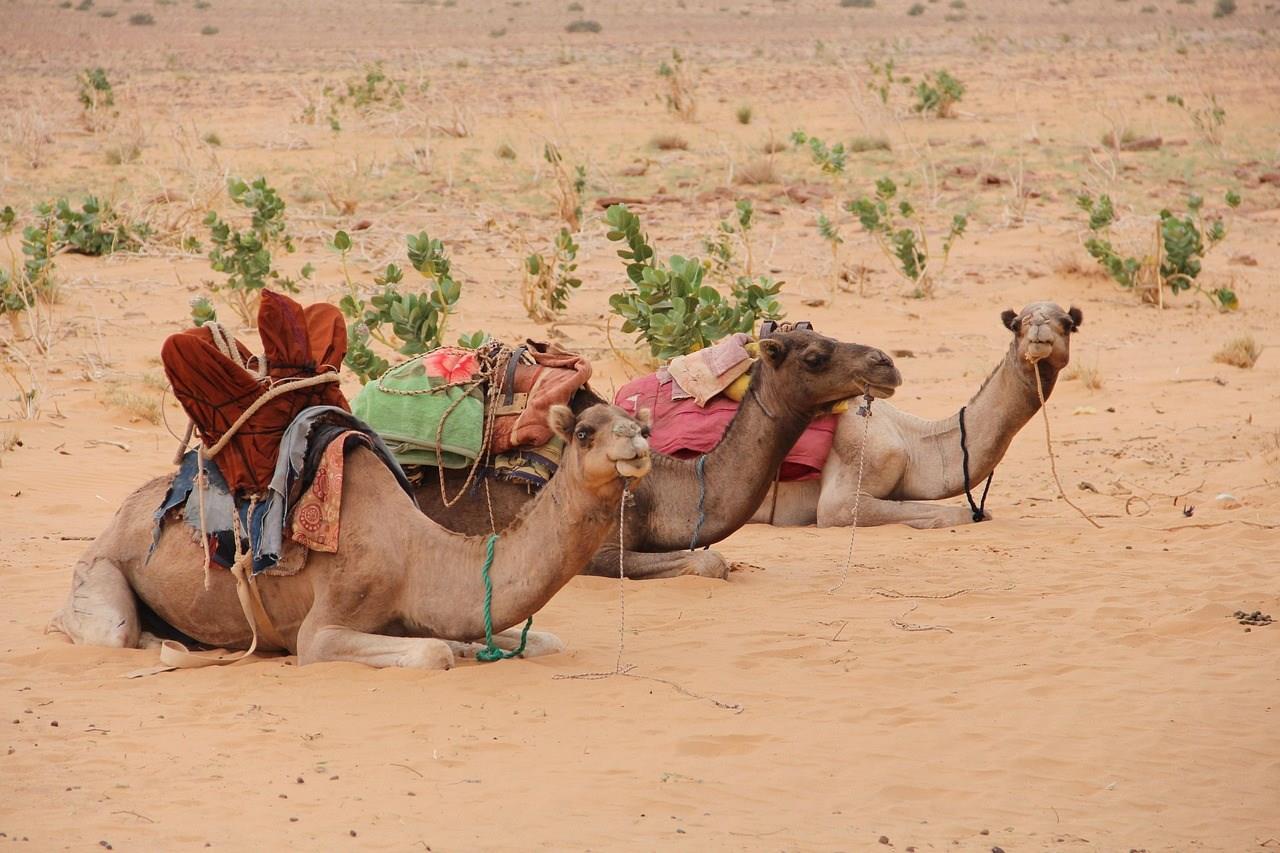
Mauritania
Mauritania, stretching between the Atlantic Ocean and the Sahara Desert, offers travelers a journey through wide-open landscapes and centuries of history. Its terrain is marked by shifting sand dunes, ancient caravan towns, and stretches of untouched coastline.
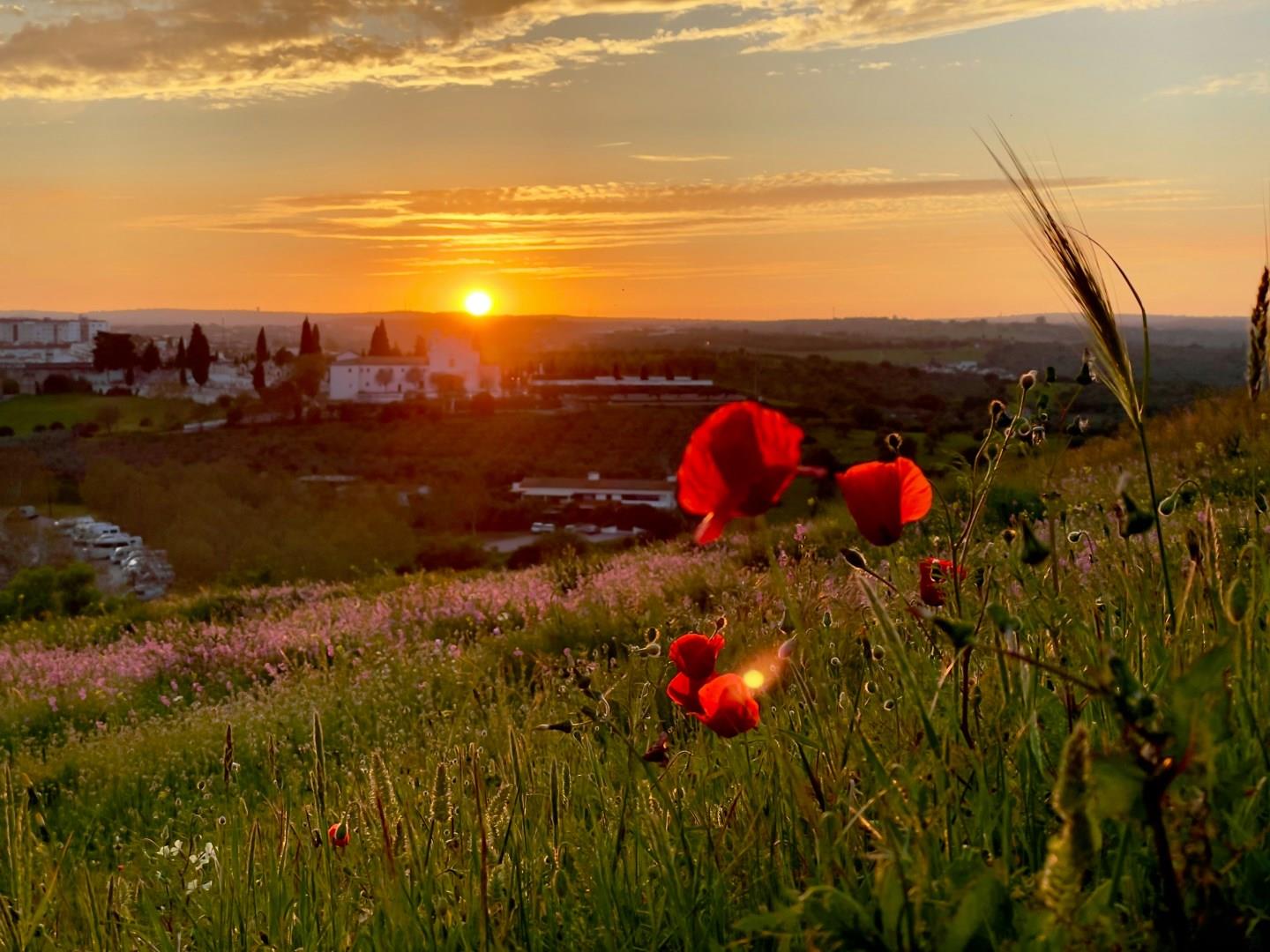
Elvas
Elvas rises from the Alentejo plains near the Spanish border as one of Portugal’s most striking fortified towns, shaped by centuries of defense, resilience, and daily life along the frontier. Encircled by an immense network of walls, bastions, and hilltop forts, the town tells a clear story of strategy and survival, from the sweeping views at Forte da Graça to the quiet streets within the historic center.

Palenque
Palenque, nestled in the lush jungles of Chiapas, Mexico, offers an enthralling glimpse into the grandeur of the ancient Maya civilization. The city is renowned for its well-preserved ruins, which include the majestic Temple of the Inscriptions, where the tomb of the ruler Pakal the Great was discovered in 1952.

Spain
Spain offers a wide range of experiences shaped by centuries of layered history and regional diversity. From the Moorish palaces of Andalusia to the Roman aqueduct in Segovia and the Gaudí-designed landmarks of Barcelona, each city reflects a different chapter in Spain’s past. In Granada, the Alhambra still stands as a masterpiece of Islamic architecture, with detailed carvings, hidden courtyards, and panoramic views of the Sierra Nevada mountains.
