

Honolulu, Oahu
Honolulu, the capital of Hawaiʻi and the largest city in the Pacific, blends the energy of a major urban center with the deep roots of Native Hawaiian culture. Set on the island of Oʻahu, it’s home to iconic beaches, royal history, and a rhythm all its own. This sunny capital city is the main portal to the larger Hawaiian archipelago, and the perfect base for exploring Oahu.

Watamu
Watamu, located on Kenya’s picturesque coast, is a paradise for beach lovers and nature enthusiasts alike. Renowned for its pristine white-sand beaches and turquoise waters, Watamu is part of the Watamu Marine National Park, a protected area known for its vibrant coral reefs and rich marine biodiversity. The park is a haven for snorkeling and diving, with opportunities to see colorful fish, sea turtles, and even dolphins.
Matobo National Park
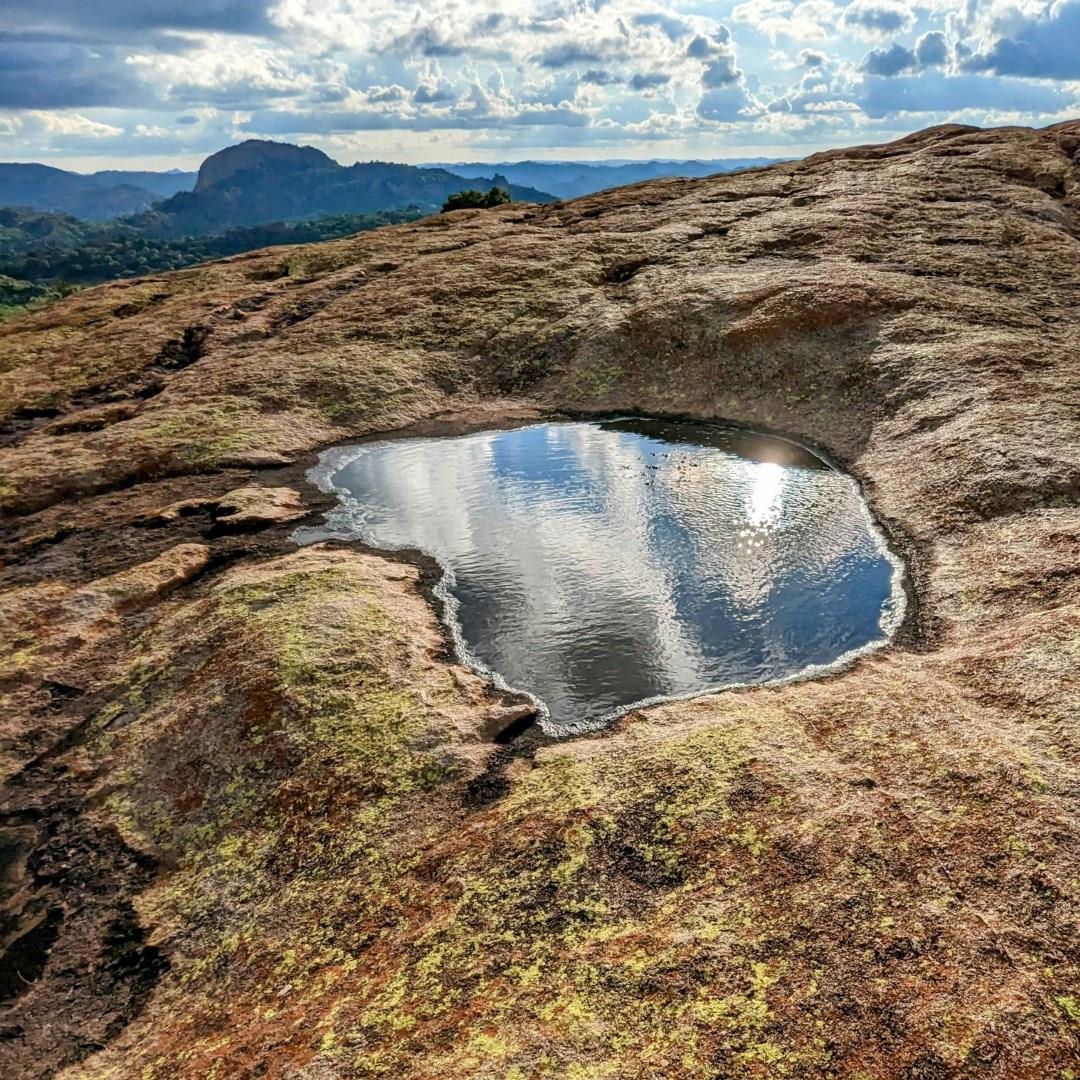
Matobo National Park sits in the rolling hills of southern Zimbabwe stands as one of the country’s most remarkable landscapes. Its granite domes, balancing rocks and wooded valleys have formed over more than two billion years, creating a setting that feels both ancient and alive. As a UNESCO World Heritage cultural site, the park preserves a landscape that has shaped human life here for millennia, drawing travelers to explore its unusual terrain and storied past.

Maasai Mara National Reserve
One of Africa's most popular game reserves, Maasai Mara is located in Narok, Kenya, near the border of Tanzania. Named in honor of the Maasai people, this park is populated with wildlife including elephants, lions, zebras, and leopards.
Sabi Sand Nature Reserve
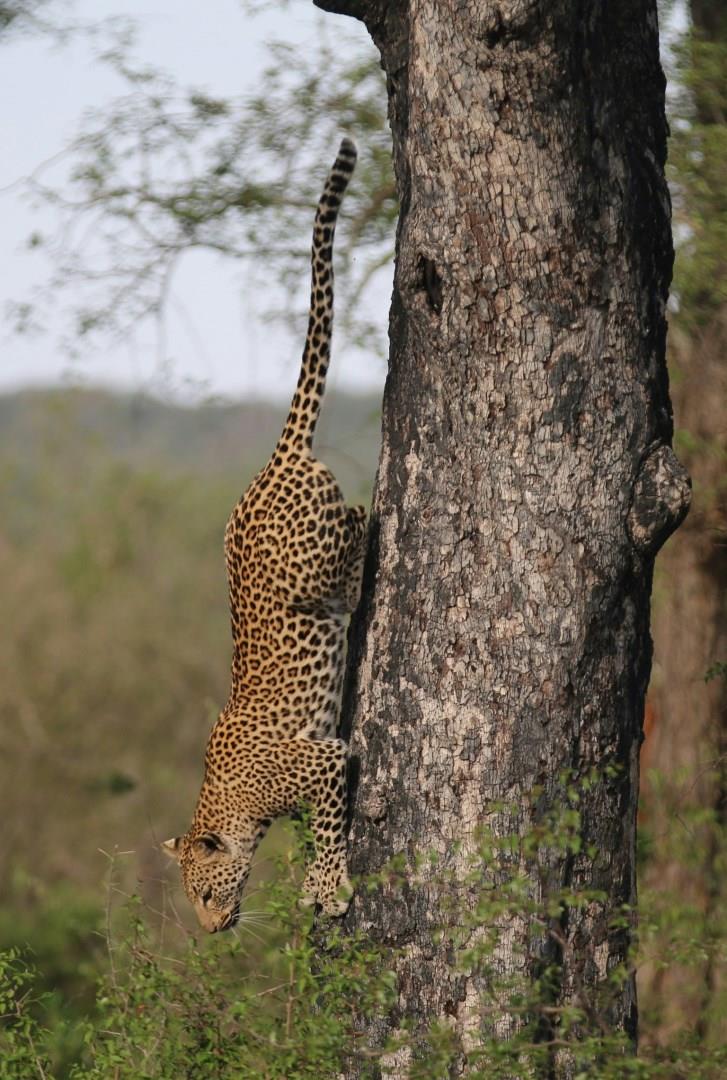
Sabi Sands Nature Reserve, located in South Africa’s Mpumalanga province, is one of the country’s most renowned private game reserves. Sharing an unfenced boundary with the Kruger National Park, it offers visitors a chance to see Africa’s iconic wildlife in an environment that feels both wild and exclusive. The reserve is particularly famous for its sightings of the Big Five (lion, leopard, elephant, buffalo, and rhino) often spotted during guided game drives at dawn and dusk.
