

Imatra
Imatra, Finland, is a hidden gem nestled near the Russian border, known for its stunning natural beauty and rich history. A key draw is the Imatrankoski Rapids, one of Finland's oldest tourist attractions dating back to the 18th century. These powerful rapids, located on the Vuoksi River, have captivated visitors for centuries, including Russian nobility like Catherine the Great.

Toronto
The capital of Ontario and Canada's largest city, Toronto is a vibrant destination on the banks of Lake Ontario. Highlights of this striking cultural capital include the looming CN Tower (featuring a revolving restaurant), Casa Loma, Toronto Island Park, Royal Ontario Museum, and Ripley's Aquarium of Canada.
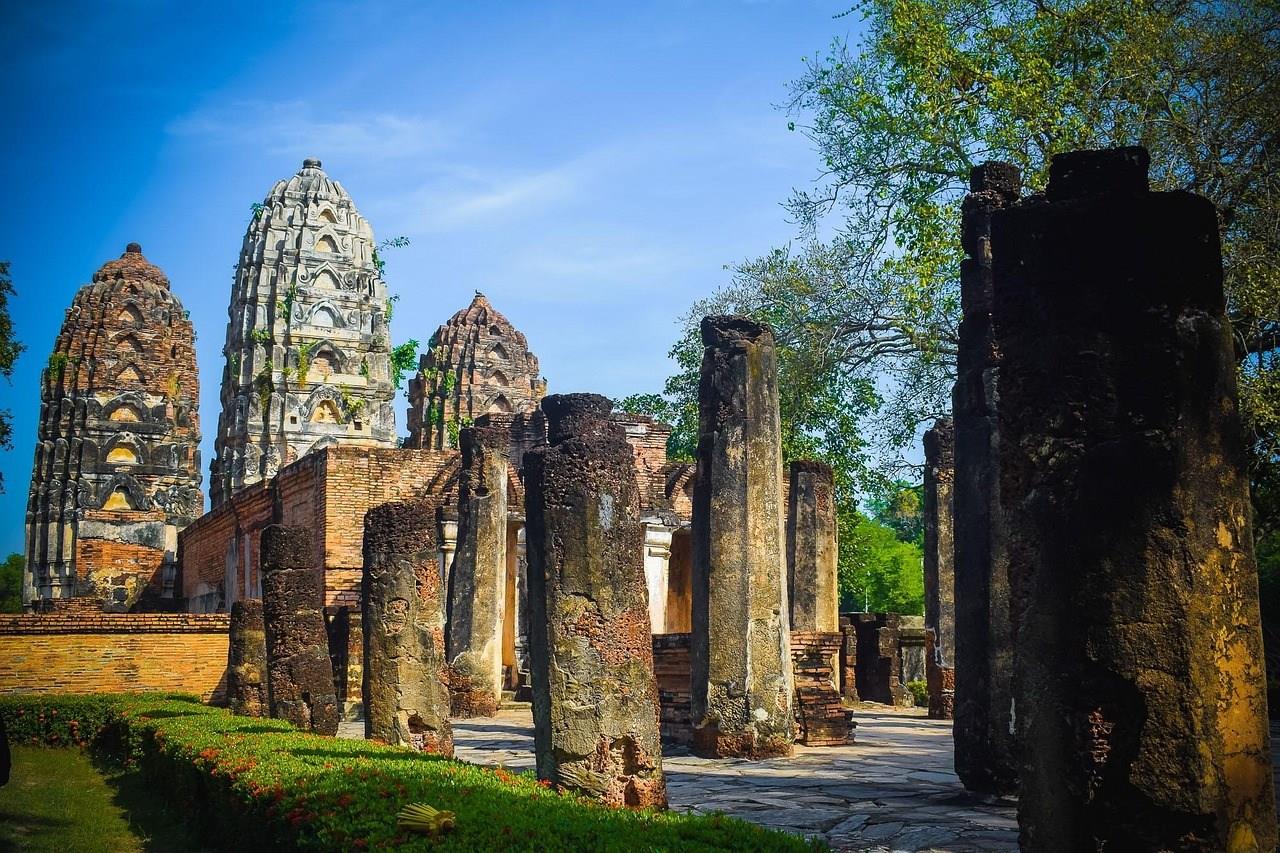
Sukhothai
Sukhothai, located in north-central Thailand, was once the capital of the first independent Thai kingdom in the 13th century. Today, it’s best known for the Sukhothai Historical Park, a UNESCO World Heritage Site filled with stone temples, lotus-filled moats, and ancient Buddha statues. The park spans over 70 square kilometers and features more than 190 ruins.

Southampton
Southampton is a city shaped by the sea. Located on the southern coast of England, it has been a key maritime port for centuries. In 1912, the RMS Titanic set sail from its docks, and today, the SeaCity Museum tells the story through the lives of local residents connected to the voyage. The medieval city walls, which are some of the best-preserved in England, still stand, offering a walk through time with views of old merchant houses, towers, and hidden vaults once used to store wine and wool.
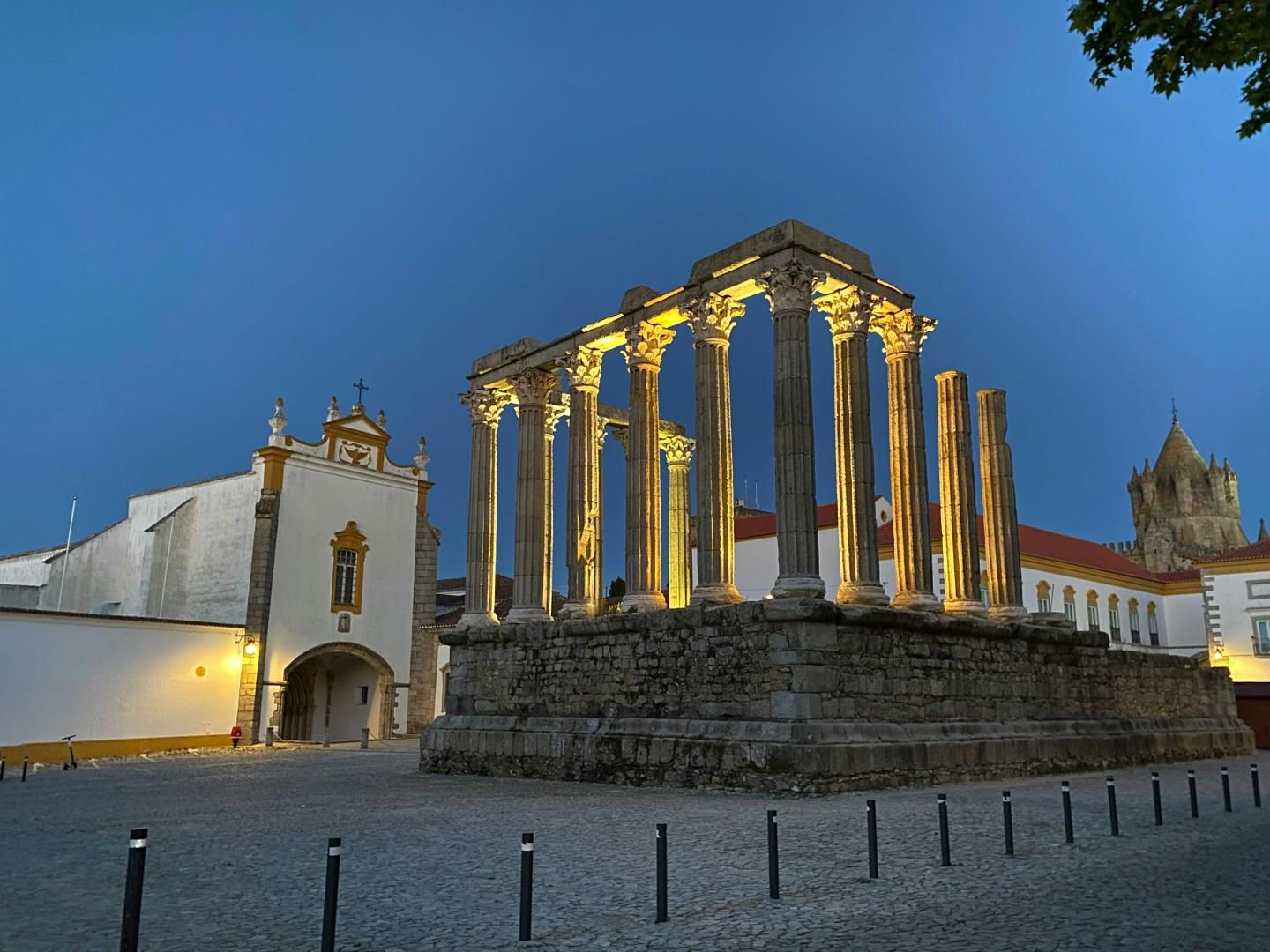
Evora
Évora, in Portugal’s Alentejo region, feels like stepping into a story that spans more than two thousand years. Its Historic Centre was named a UNESCO World Heritage Site for good reason with its ancient walls, homes with wrought-iron balconies, and narrow streets quietly preserve traces of Roman, Moorish, and medieval life. Beyond architecture and monuments, Évora reveals lesser-known treasures that reward exploration.
