

Pennsylvania
Pennsylvania offers more than just a glimpse into American history, it invites travelers to walk through it. In Philadelphia, the Liberty Bell still draws visitors from around the world, while Independence Hall, a UNESCO World Heritage Site, is where both the Declaration of Independence and the U.S. Constitution were debated and signed. Just a short walk away, modern museums like the National Constitution Center offer hands-on exhibits that connect the past to today’s civic questions.

Dominica
Dominica, known as the “Nature Island of the Caribbean,” is a haven for eco-tourists and adventure seekers. Nestled between the French islands of Guadeloupe and Martinique, this lush island boasts a remarkable landscape of volcanic mountains, dense rainforests, and stunning waterfalls. Dominica’s most iconic natural wonder is the Boiling Lake, the second-largest hot spring in the world.
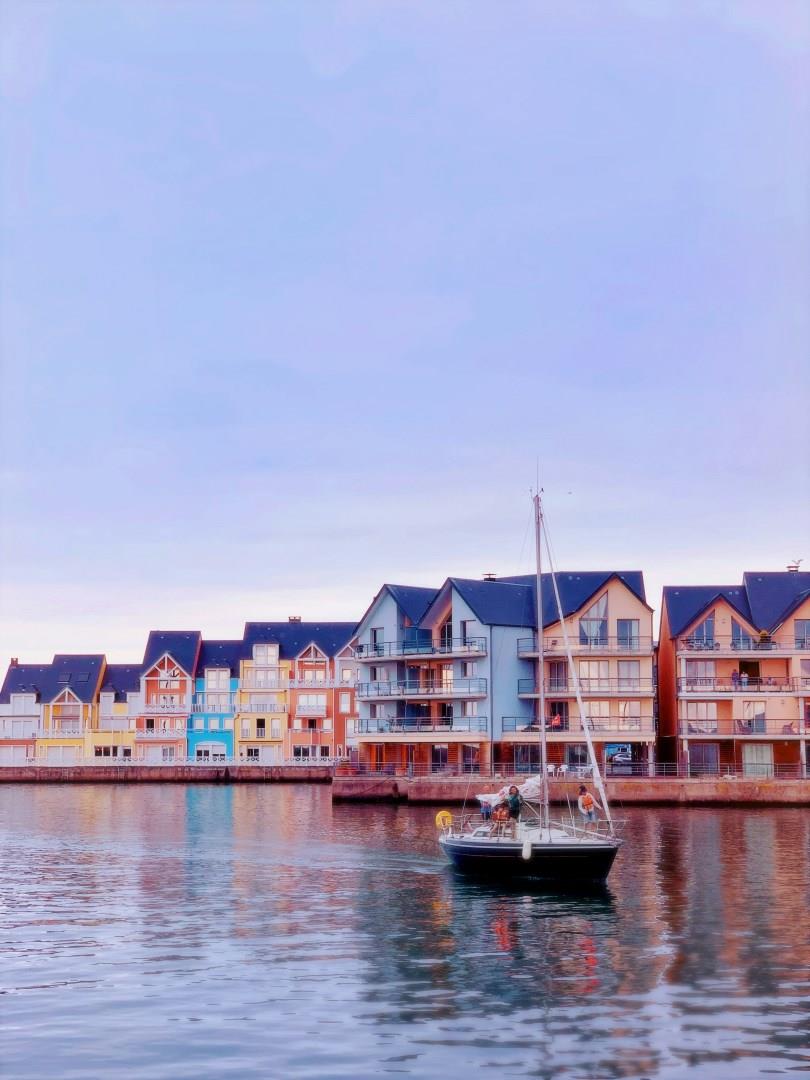
Deauville
Deauville sits on the Normandy coast of northern France and has long been associated with seaside leisure, elegance, and cultural life. Developed in the mid-19th century as a resort for Parisian society, the town quickly became a place where architecture, fashion, and social rituals shaped its identity.
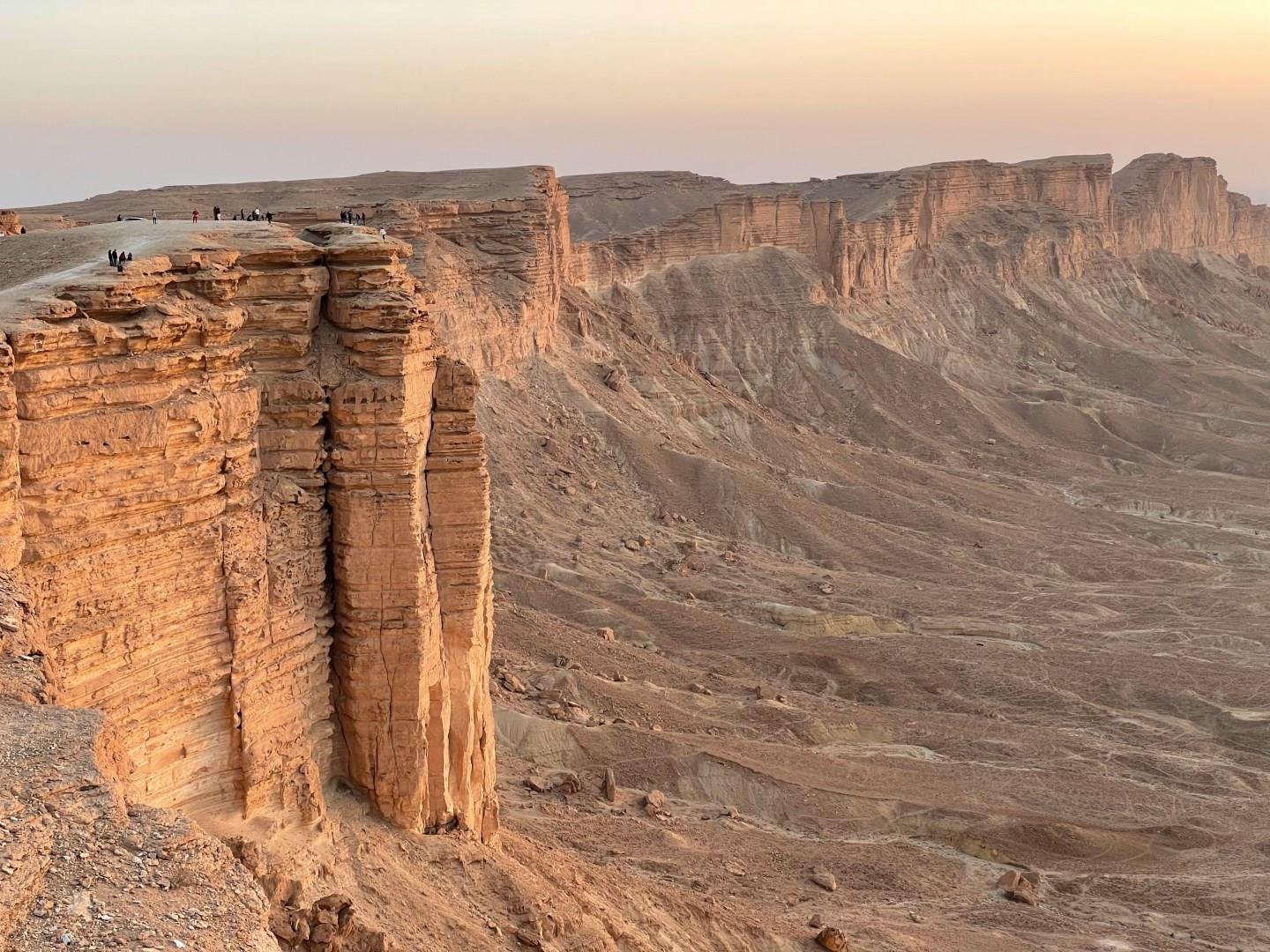
Riyadh
Riyadh blends stories from centuries with modern splendor. At its core stands Al Masmak Fortress, built of clay and mud-brick in the 19th century. It was the site that set the stage for the unification of Saudi Arabia. Today, it’s a museum that preserves weapons, historical displays, and accounts of that pivotal moment. Adjacent to the fortress, the Souq Al-Zal offers spices, traditional jewelry, and handmade crafts, connecting visitors to the city’s past through its alleyways.

Hungary
From the elegant streets of Budapest to the rolling hills of the countryside, Hungary captivates with its diversity and charm. Budapest, often called the "Pearl of the Danube," boasts architectural wonders like the iconic Parliament Building, Buda Castle, and the Széchenyi Thermal Baths, where travelers can unwind in warm, mineral-rich waters.
