

Chiang Mai
Chiang Mai, located in northern Thailand, is a city where ancient walls surround over 30 historic temples, and daily life continues just steps away from centuries-old rituals. Founded in 1296 as the capital of the Lanna Kingdom, the city still reflects its origins through distinctive architecture, moats, and cultural practices. Wat Phra Singh and Wat Chedi Luang are two of the most visited temples within the Old City, offering a chance to see traditional Lanna-style design.

Toulon
Toulon, a vibrant port city on the French Riviera, is a hidden gem waiting to be explored. Known for its deep natural harbor, Toulon has long been a significant naval base for France, and the city's maritime heritage is still very much alive today. Visitors can explore the bustling Toulon Harbor, where yachts, fishing boats, and naval vessels coexist in a lively display of seafaring life.

Dominica
Dominica, known as the “Nature Island of the Caribbean,” is a haven for eco-tourists and adventure seekers. Nestled between the French islands of Guadeloupe and Martinique, this lush island boasts a remarkable landscape of volcanic mountains, dense rainforests, and stunning waterfalls. Dominica’s most iconic natural wonder is the Boiling Lake, the second-largest hot spring in the world.
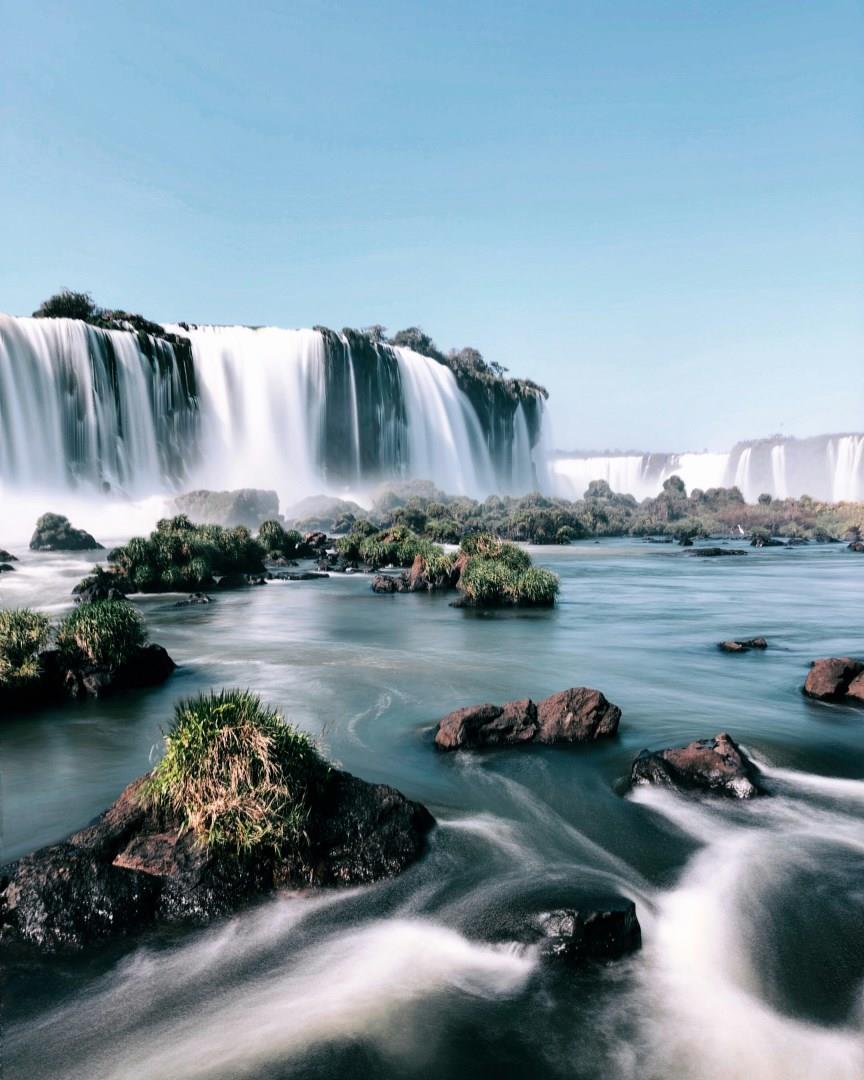
Foz do Iguaçu
Set at the meeting point of Brazil and Argentina, Foz do Iguaçu is defined by the sheer scale of the Iguaçu Falls. Nearly 275 individual waterfalls stretch across close to three kilometers, sending mist into the air and sound echoing through the surrounding forest. Visitors follow raised walkways that bring them face to face with this moving wall of water, culminating at the dramatic Devil’s Throat, a deep, curved drop where the river seems to vanish into the earth.
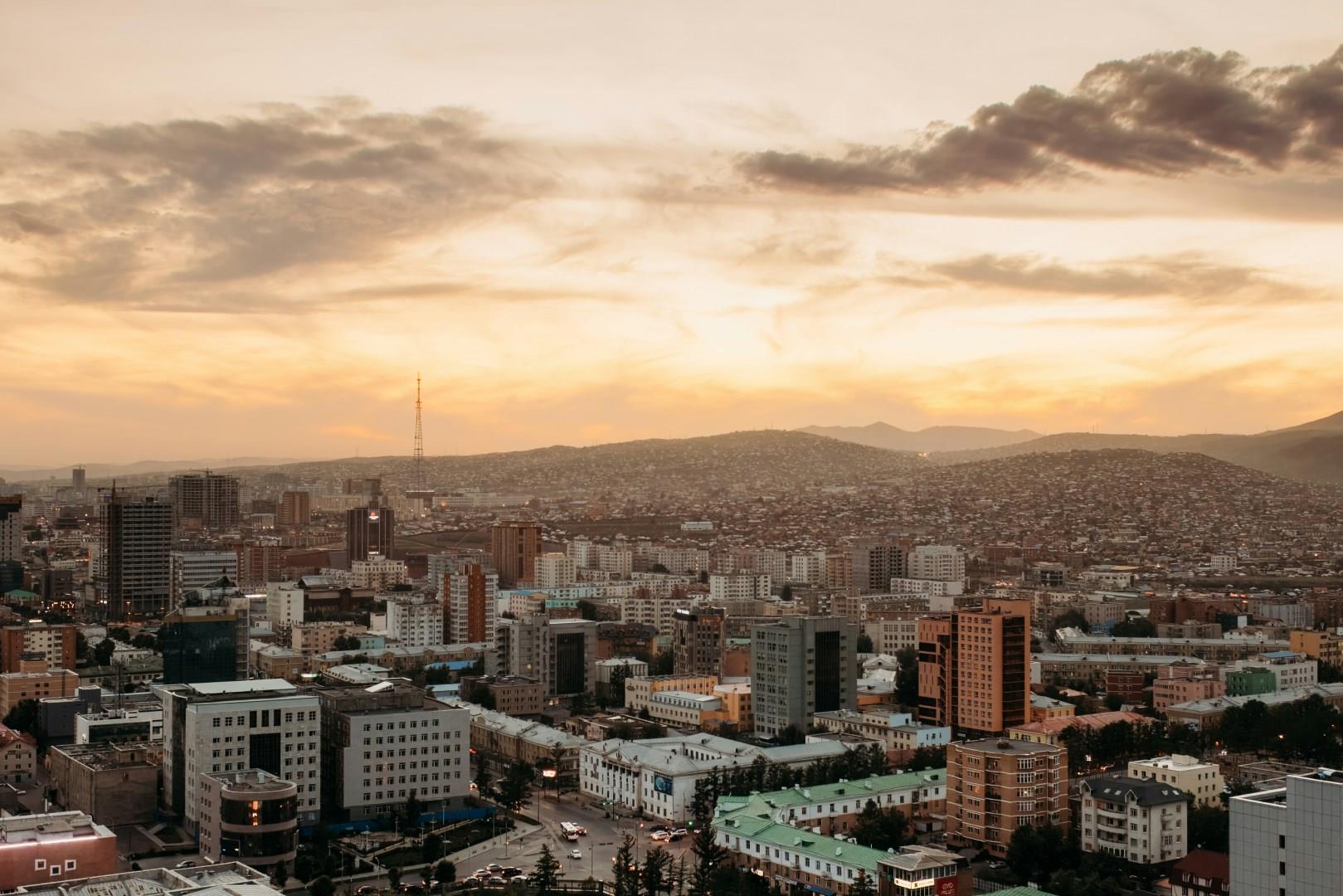
Ulaanbaatar
Ulaanbaatar, the capital of Mongolia, is a city where tradition and modern life intertwine. Nestled in a valley surrounded by mountains, it serves as the country’s cultural, political, and economic hub. The city’s skyline features a mix of Soviet-era architecture, Buddhist monasteries, and contemporary high-rises.
