

Marrakesh
Marrakesh, a vibrant jewel in the heart of Morocco, is a city where ancient traditions blend seamlessly with modern allure. Known as the "Red City" for its rose-hued buildings and walls, Marrakesh offers a sensory experience unlike any other. The city’s medina, a UNESCO World Heritage Site, is a labyrinth of narrow alleyways, bustling souks, and hidden courtyards.
Akita
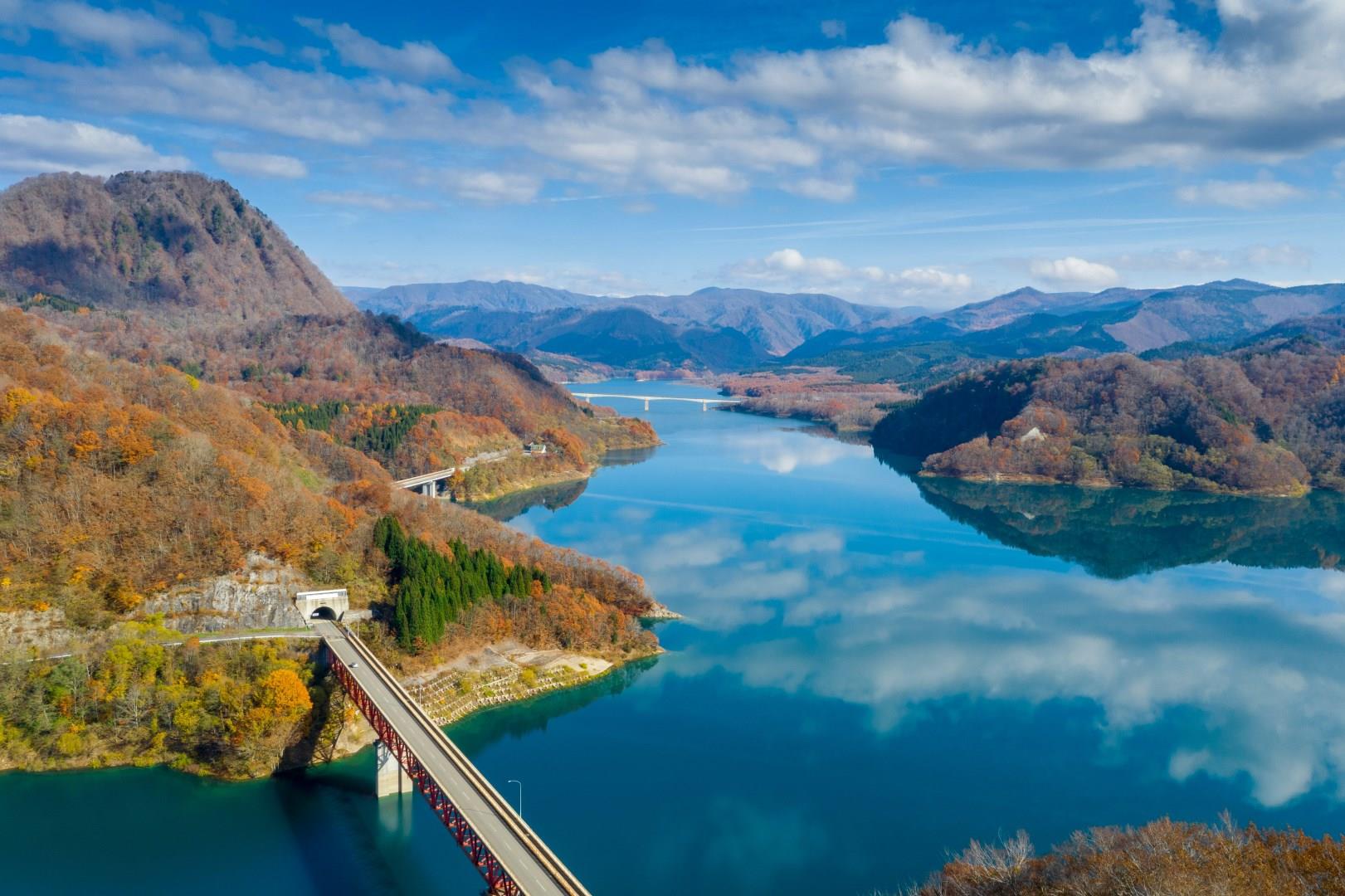
Akita sits in the northern part of Japan’s Tōhoku region and offers travelers experiences rooted in long-held traditions, lively festivals, and scenic valleys. Its capital city blends seasonal appeal with cultural offerings, from Senshu Park, once the site of Kubota Castle, where cherry blossoms and lotuses draw locals and visitors alike, to the Akita Museum of Art, a striking building designed by famed architect Tadao Ando that displays works including pieces by Tsuguharu Foujita.

Lake Titicaca
Lake Titicaca, perched at over 3,800 meters above sea level, is the highest navigable lake in the world and a place where ancient stories still echo across the water. Shared by Bolivia and Peru, this lake has long been considered sacred by the Andean peoples. According to Inca legend, it was from Titicaca’s deep blue waters that the first humans were created. Today, the lake remains a center of cultural tradition, spiritual significance, and daily life for many who live along its shores.
M'Hamid
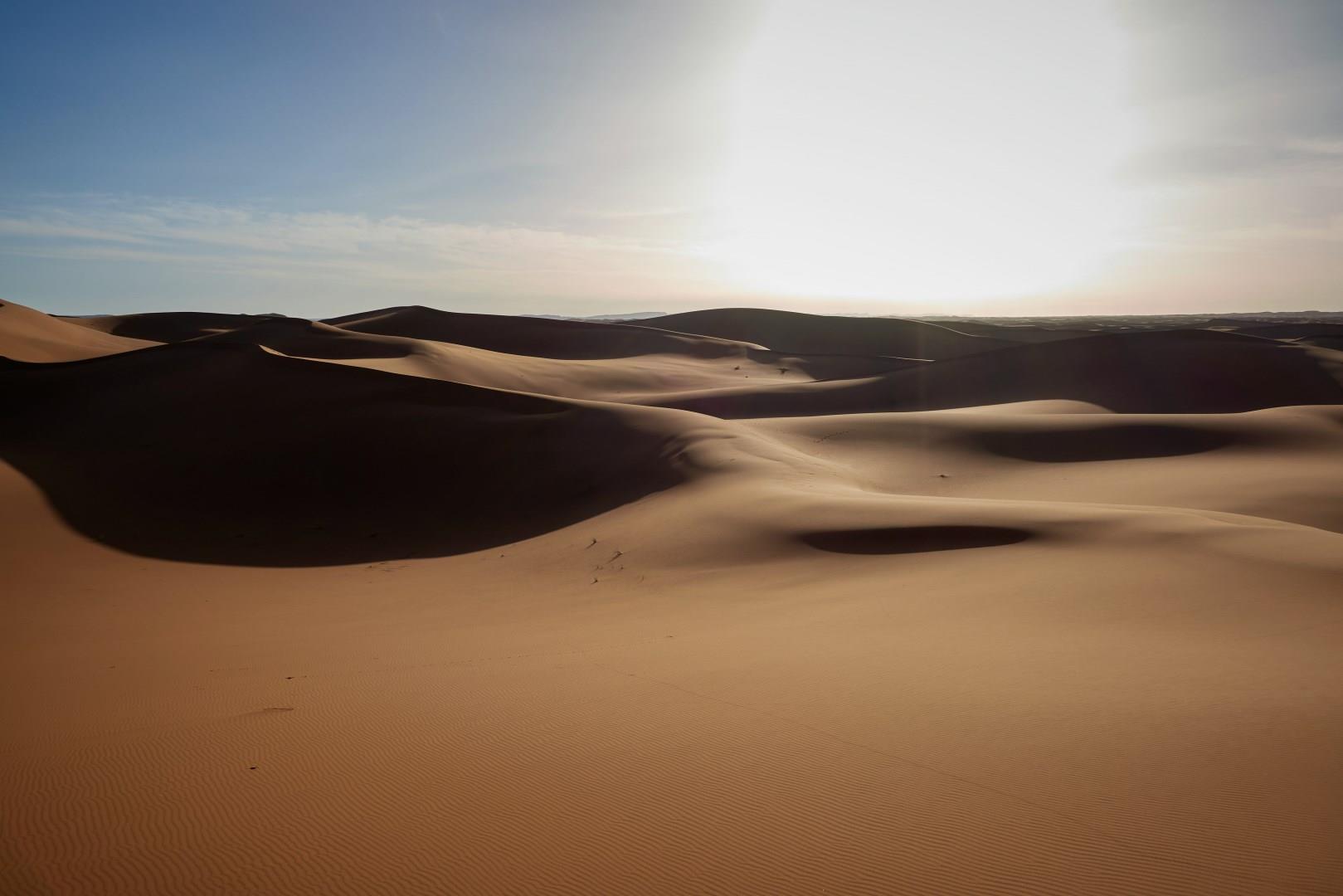
M’Hamid El Ghizlane sits deep in southeastern Morocco’s Sahara, where the paved road ends and endless sands begin. Travelers often arrive from Zagora, taking in the wide palm groves fed by ancient irrigation channels that show how people have sustained life here for centuries. At sunrise and sunset, the dunes glow with waves of gold and copper, offering unforgettable views few places on earth can match.

Philippines
The Philippines is an archipelago of more than 7,600 islands in Southeast Asia, known for its striking coastlines, tropical forests, and vibrant cultural diversity.
