

Húsavík
Nestled on the shores of Skjalfandi Bay in northern Iceland, Husavik offers visitors the unique chance to witness humpback whales, minke whales, and even the occasional blue whale in their natural habitat.
Turkmenistan
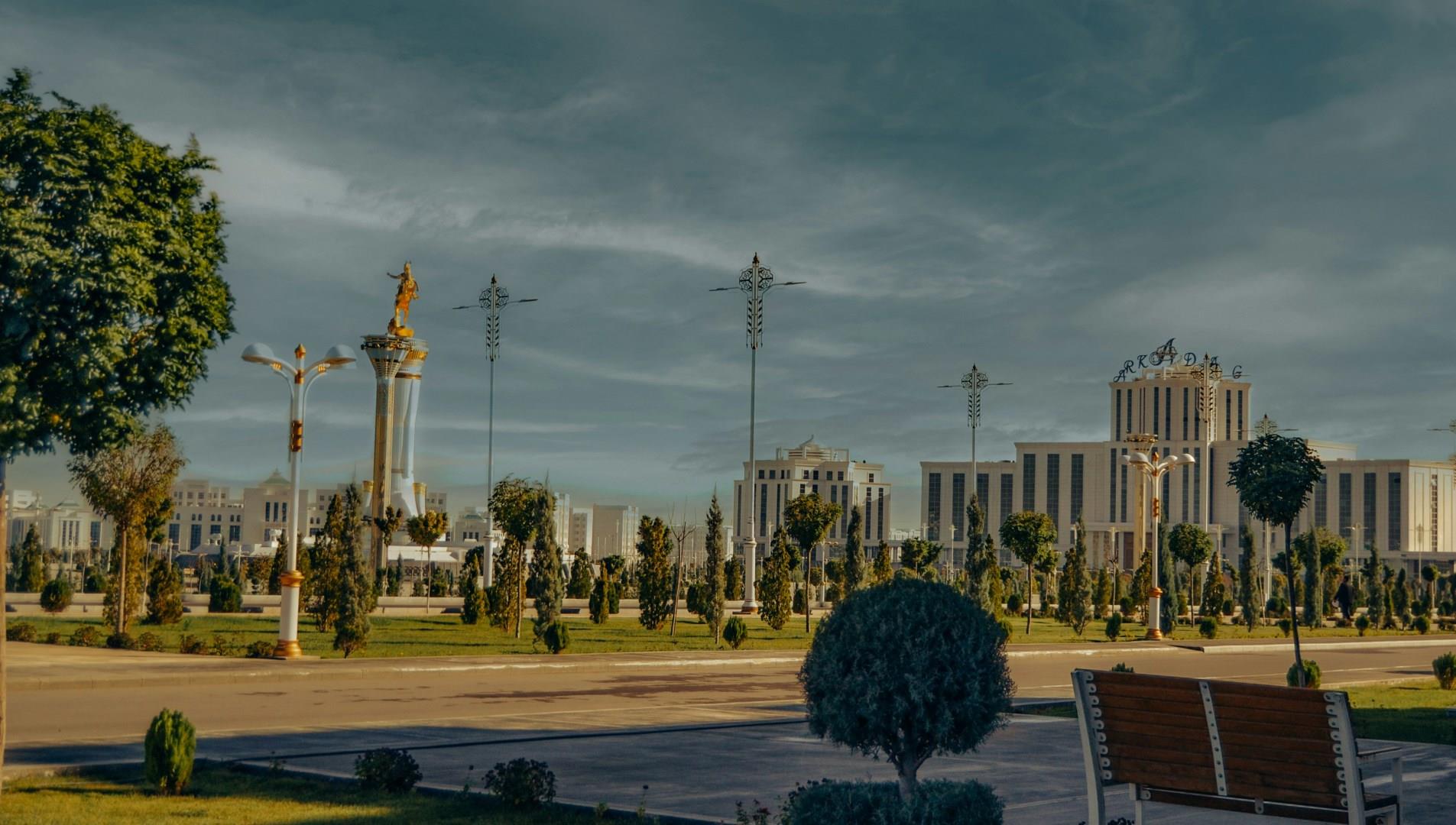
Turkmenistan is a land of striking contrasts, where vast deserts meet ancient Silk Road history. The country is dominated by the Karakum Desert, an expanse of sand and scrub that covers most of its territory, yet it is also home to oases where cities flourished as trading posts for caravans journeying between Persia, China, and beyond.
Kuwait City
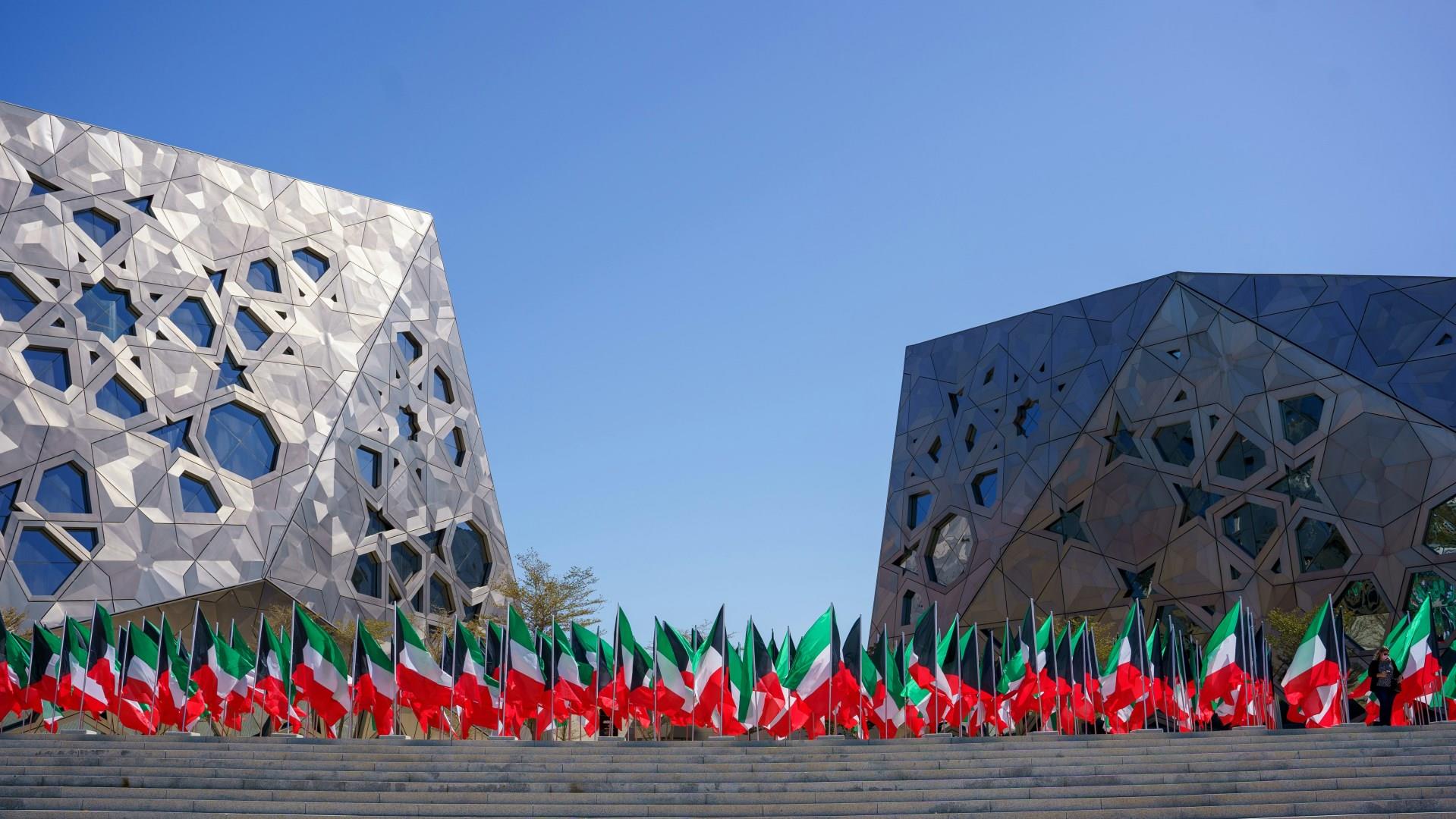
Kuwait City began as a modest fishing village and has evolved into a modern metropolis. The city's history is deeply rooted in its maritime heritage. The Dhow Harbour in Kuwait City offers a captivating glimpse into the nation's rich maritime past. Historically, dhows were essential for trade, fishing, and pearl diving, shaping Kuwait's economic and cultural identity. Today, the harbor remains a vibrant testament to this legacy, housing a variety of traditional wooden ships.
Mayotte
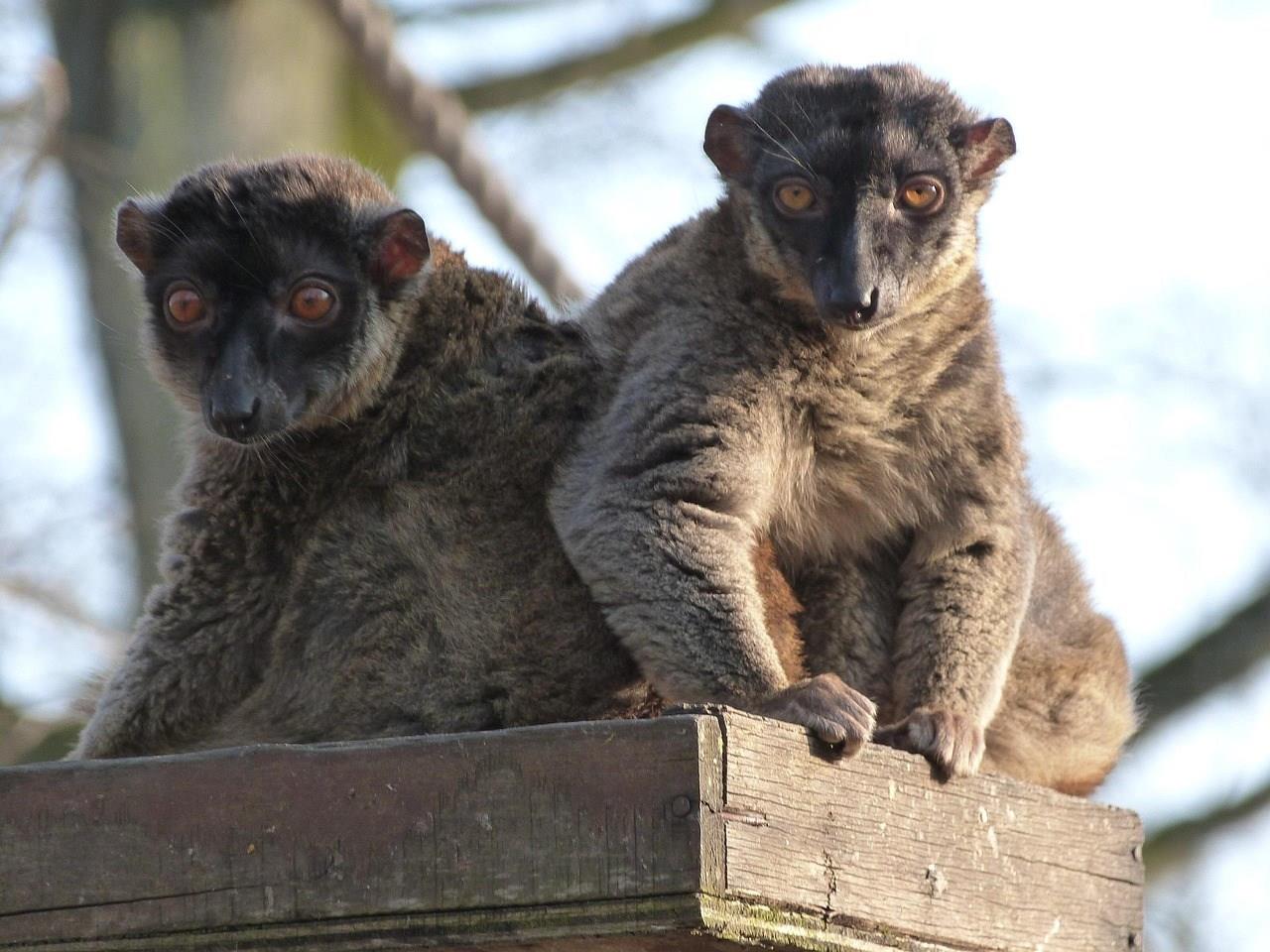
Mayotte, a French overseas department nestled in the Mozambique Channel between Madagascar and mainland Africa, offers travelers a window into a lesser-known island culture shaped by Swahili, Malagasy, and French influences. Unlike its neighbors in the Comoros archipelago, Mayotte remains part of France, giving it a unique blend of European infrastructure and Indian Ocean traditions.

Santa Cruz de Tenerife
The city of Santa Cruz De Tenerife, located on the island of Tenerife, is a favorite stop for Transatlantic voyagers. Tenerife is both the largest and most populated of the seven Canary Islands and of Spain itself. As the island's main city, Santa Cruz De Tenerife is home to almost half of the island's population.
