

Patmos
Patmos, a gem in the Aegean Sea, is steeped in history and spirituality, offering a serene escape for travelers seeking both tranquility and rich cultural experiences. Known as the "Island of the Apocalypse," Patmos is famously where Saint John the Theologian wrote the Book of Revelation. Visitors can explore the sacred Cave of the Apocalypse, a UNESCO World Heritage Site, where the saint is said to have received his visions.

Akita
Akita sits in the northern part of Japan’s Tōhoku region and offers travelers experiences rooted in long-held traditions, lively festivals, and scenic valleys. Its capital city blends seasonal appeal with cultural offerings, from Senshu Park, once the site of Kubota Castle, where cherry blossoms and lotuses draw locals and visitors alike, to the Akita Museum of Art, a striking building designed by famed architect Tadao Ando that displays works including pieces by Tsuguharu Foujita.
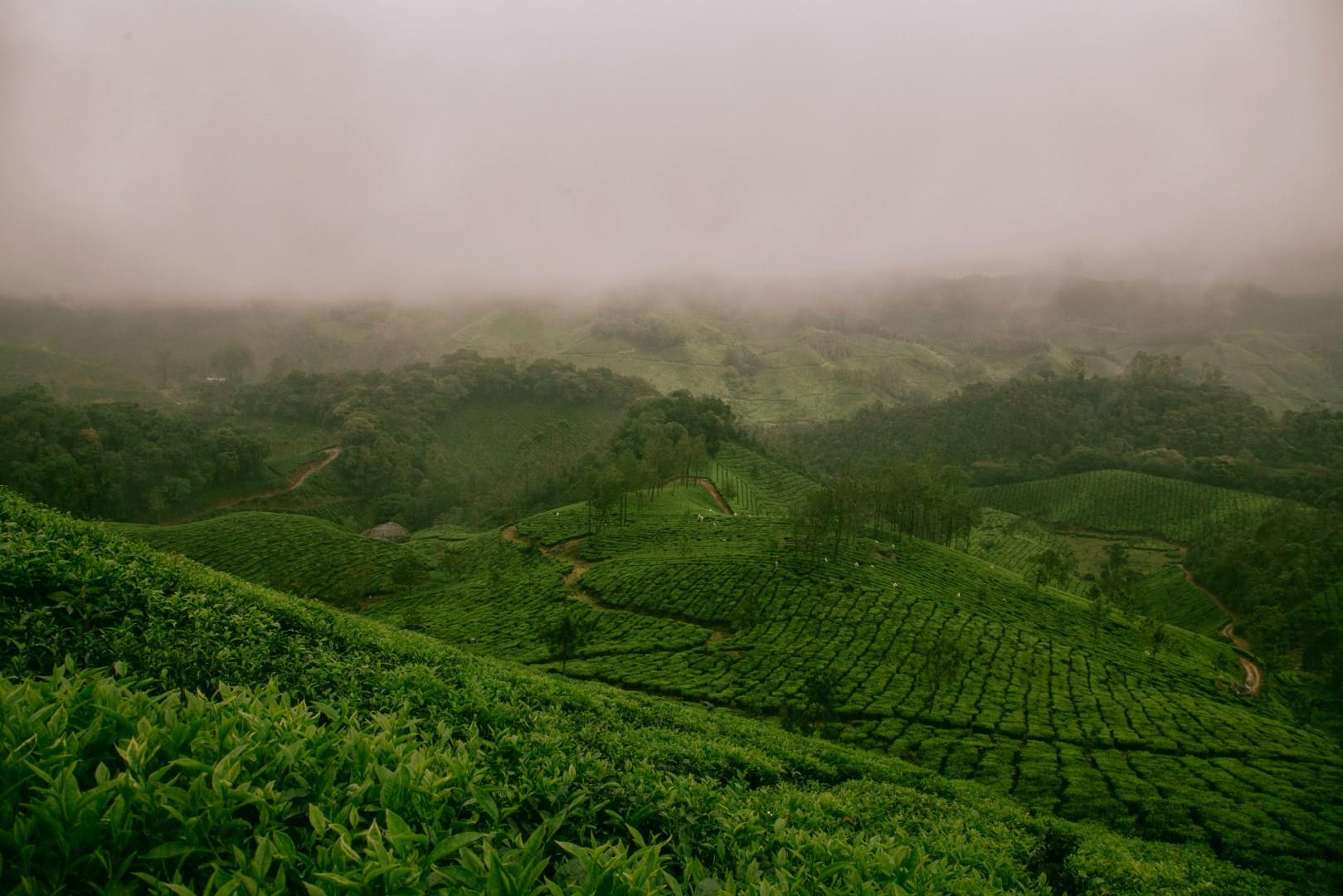
Munnar
Munnar, located in the Western Ghats of Kerala, India, sits at around 1,600 meters above sea level and was once the summer resort of British colonial officers. Today, it’s known for its vast tea plantations, many of which date back to the 19th century. Visitors can walk through estates like Kolukkumalai, the highest tea plantation in the world, where traditional methods are still used to process leaves by hand.

Nanortalik
Nanortalik is a destination that combines pristine natural beauty, thrilling outdoor activities, and authentic cultural experiences. Whether climbing rugged peaks, kayaking through fjords, or simply immersing oneself in the town’s serene atmosphere, Nanortalik provides a unique glimpse into Greenland’s awe-inspiring Arctic world.
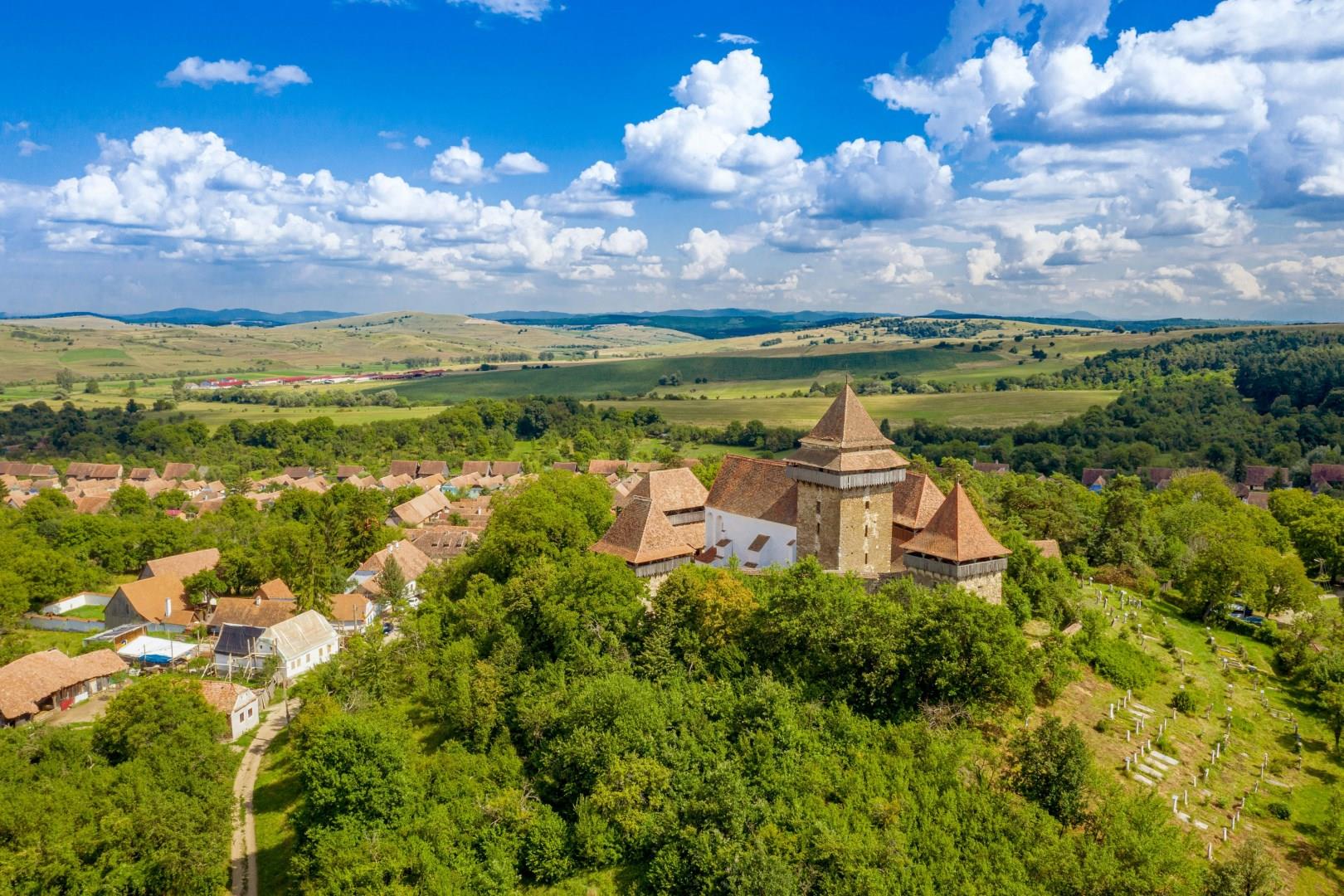
Viscri
Viscri is a small village in Brașov County, Transylvania that feels like a place untouched by time, where centuries-old traditions remain alive in everyday life. Best known for its Saxon fortified church, the church of Viscri is one of the oldest and most impressive buildings in Transylvania, built of white-green limestone and strengthened with two rings of defensive walls added over the 16th and 18th centuries.
