
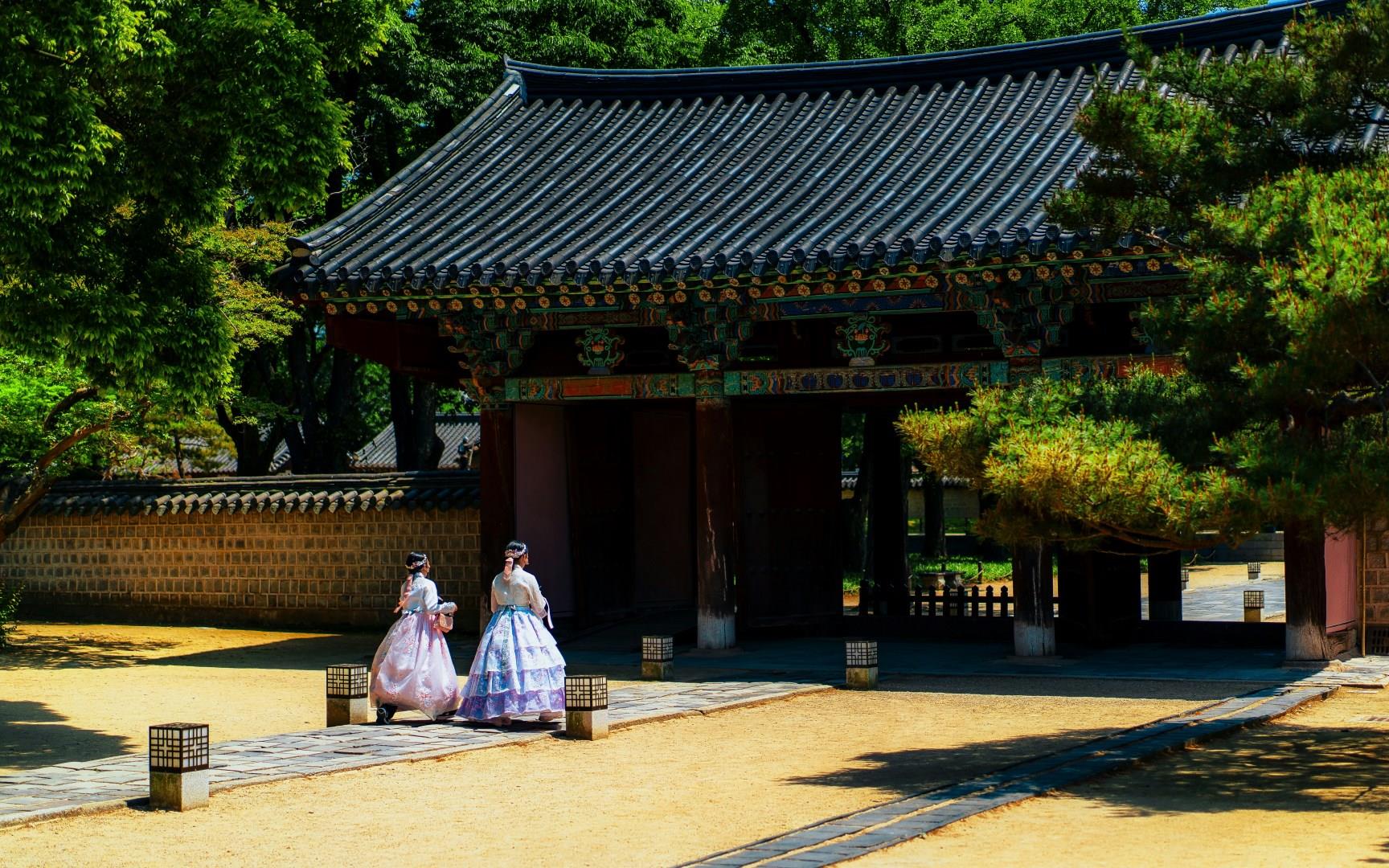
Jeonju-si
Jeonju-si, in South Korea’s North Jeolla Province, is widely associated with preservation rather than spectacle. The city’s identity is closely tied to its role as a former provincial capital during the Joseon Dynasty and as the birthplace of the royal Yi family.

Bonifacio Corsica
Bonifacio is located at the southernmost tip of the island of Corsica. The town towers above the "Bouches de Bonifacio" the strait between Corsica and Sardinia, above islands and reefs. Bonifacio has survived a unique history, founded in 833, and somehow has defied time and events.

Belarus
Belarus is an independent republic in Eastern Europe. Minsk is the capital and largest city. The climate is generally temperate and humid, with colder, continental conditions in the east.

Darwin
Tropical beaches, green space, wildlife, and dazzling sunsets all draw tourists to Darwin. Visitors should also discover the city's art museums, Mindil Beach's night markets and the local seafood. And did you know that this area of Australia has more crocodiles than anywhere on the planet?
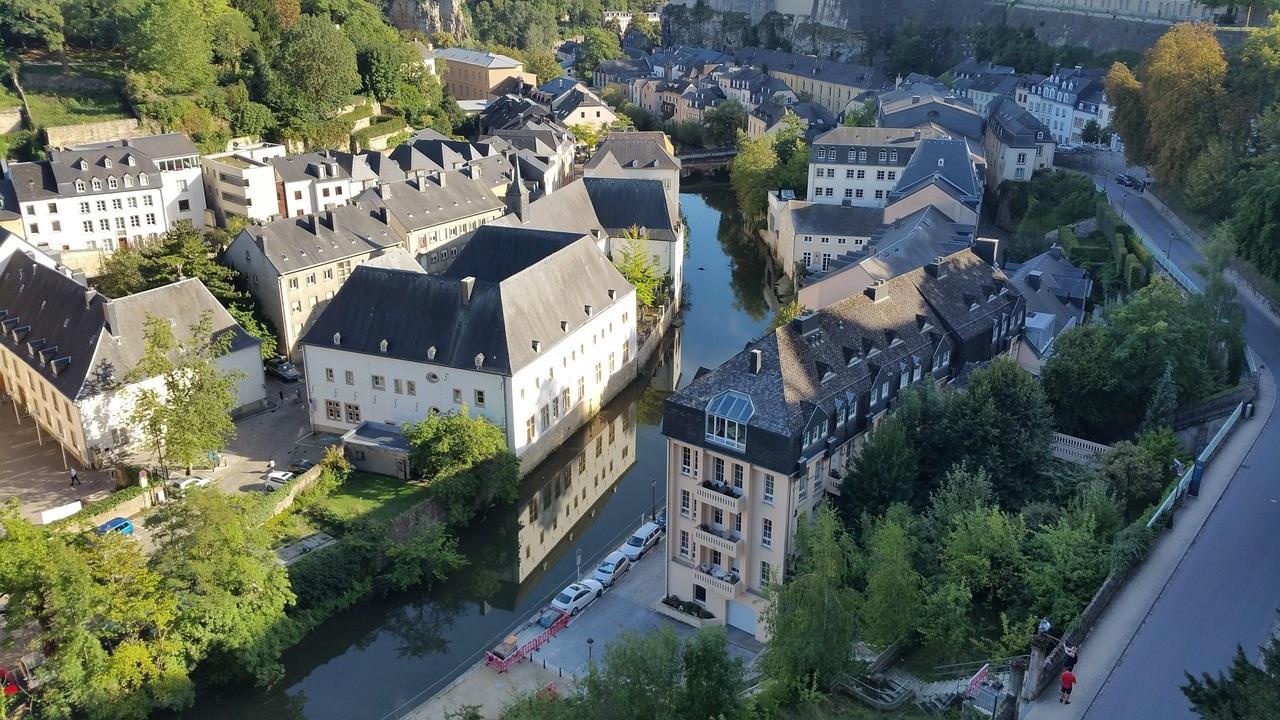
Luxembourg
Luxembourg, a small yet influential country in the heart of Europe, offers visitors a rich blend of historic sites and contemporary culture. The capital city, Luxembourg City, is famous for its dramatic cliffs and ancient fortifications that have earned it a UNESCO World Heritage status. Walking through the old quarters, visitors can explore the casemates that reveal layers of the city’s military past.
