

Kos
Kos, an enchanting island in Greece’s Dodecanese archipelago, is a gem steeped in both history and natural beauty. Known as the birthplace of Hippocrates, the father of modern medicine, Kos is home to the ancient Asclepeion, a healing temple where Hippocrates taught his students. Visitors can wander through the well-preserved ruins and enjoy sweeping views over the island and the Aegean Sea.
Córdoba
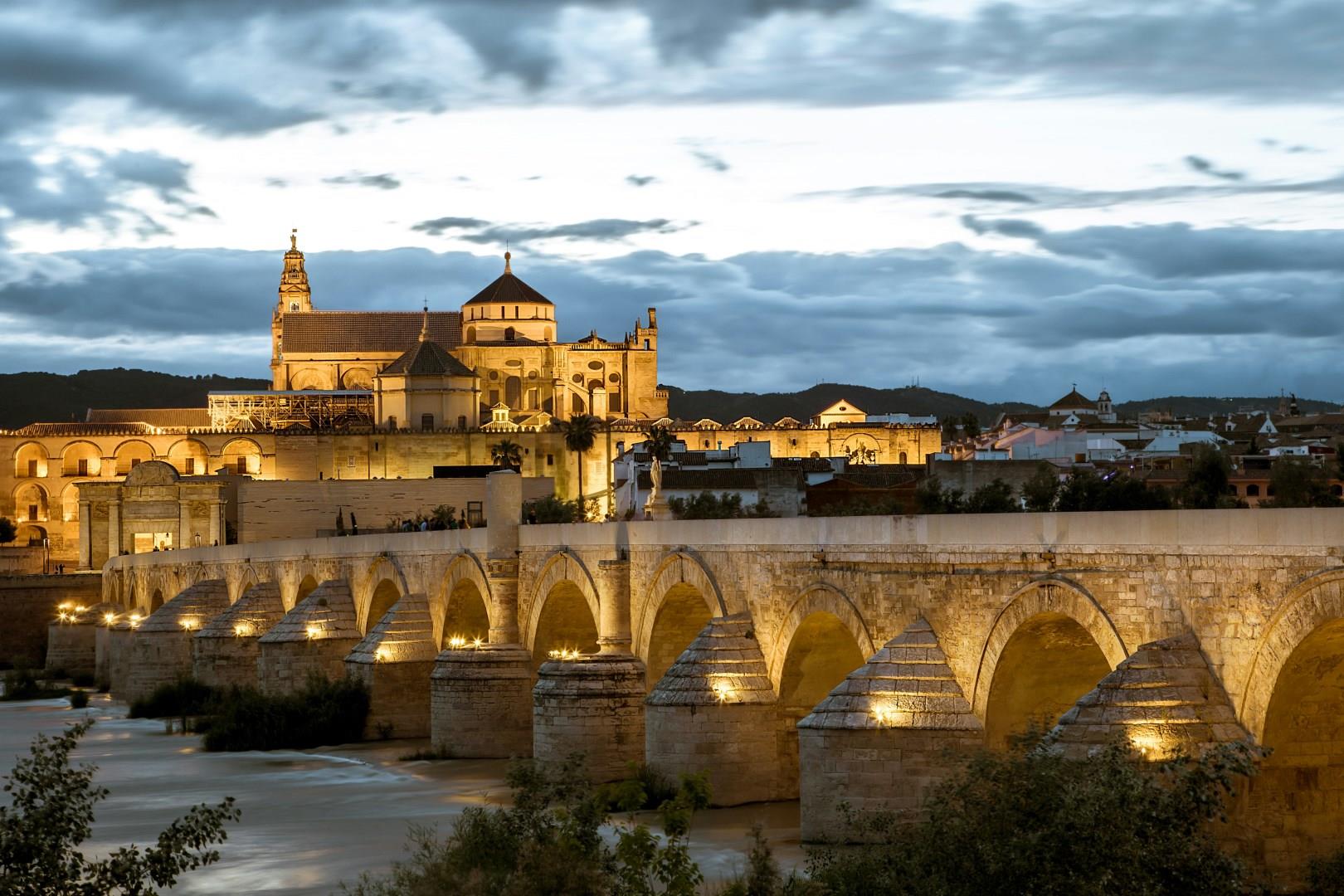
Córdoba, located in the heart of Andalusia, was once the most advanced city in Western Europe. During the 10th century, it served as the capital of Al-Andalus and was a center for learning, science, and art. Today, visitors walk the same streets that philosophers, poets, and physicians once crossed. The city’s most famous landmark, the Mezquita-Catedral, reflects its layered past. The red and white horseshoe arches inside are one of the most photographed interiors in Spain.

Tarragona
The Port of Tarragona is located in one of the most active economic areas of the Spanish Mediterranean, where the main petrochemical complex of the Spanish State is located.
Dades Gorges
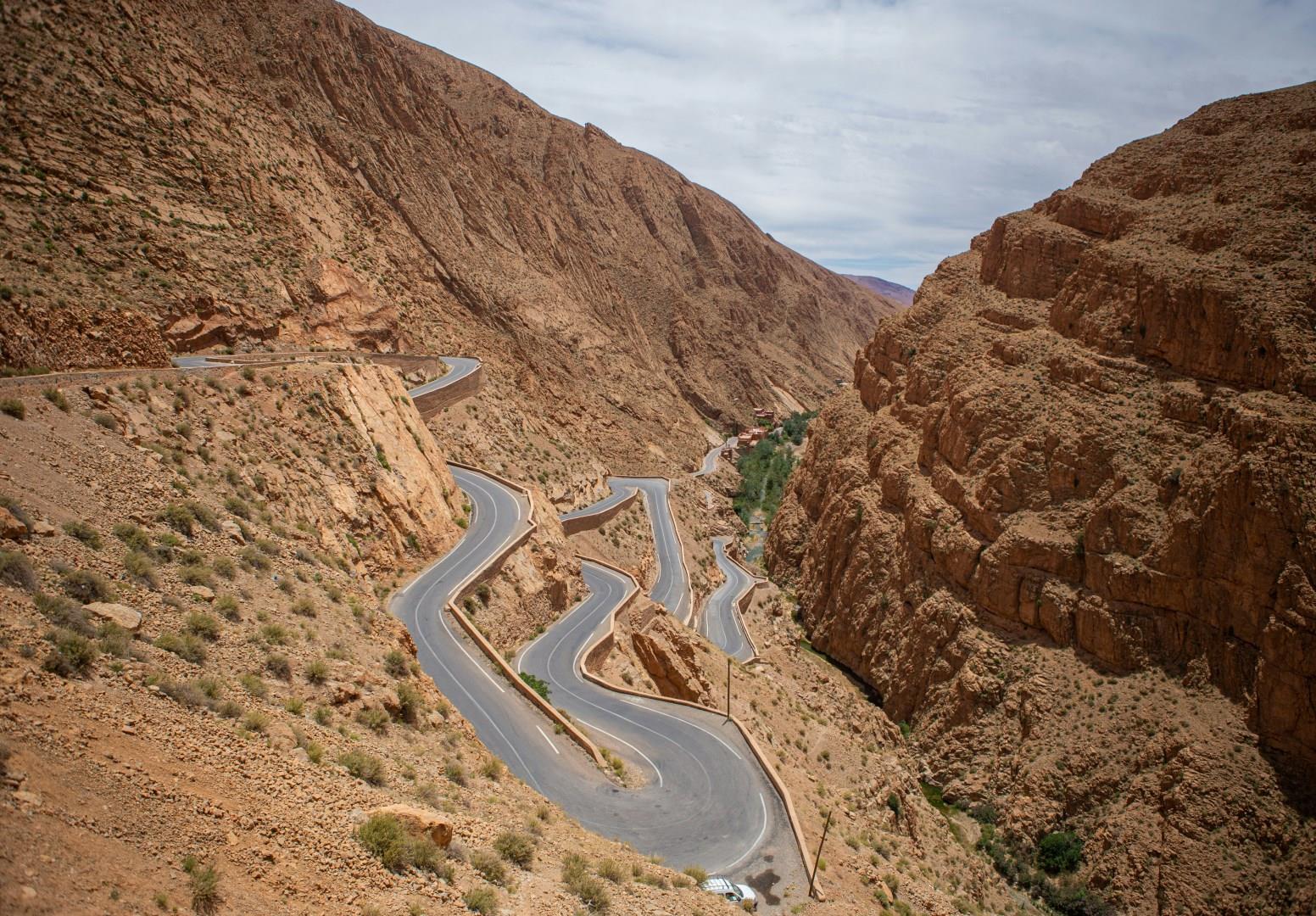
The Dades Gorges, carved by the Dades River in Morocco’s High Atlas Mountains, offer a winding stretch of road, towering rock walls, and centuries-old kasbahs perched on the cliffs. Located between the towns of Boumalne Dades and M’semrir, the gorge is especially known for its switchback road, often nicknamed “the snaking road of Tissadrine.” It’s a favorite among photographers and motorcyclists, with hairpin curves that reveal a new layer of landscape with every turn.
Bran
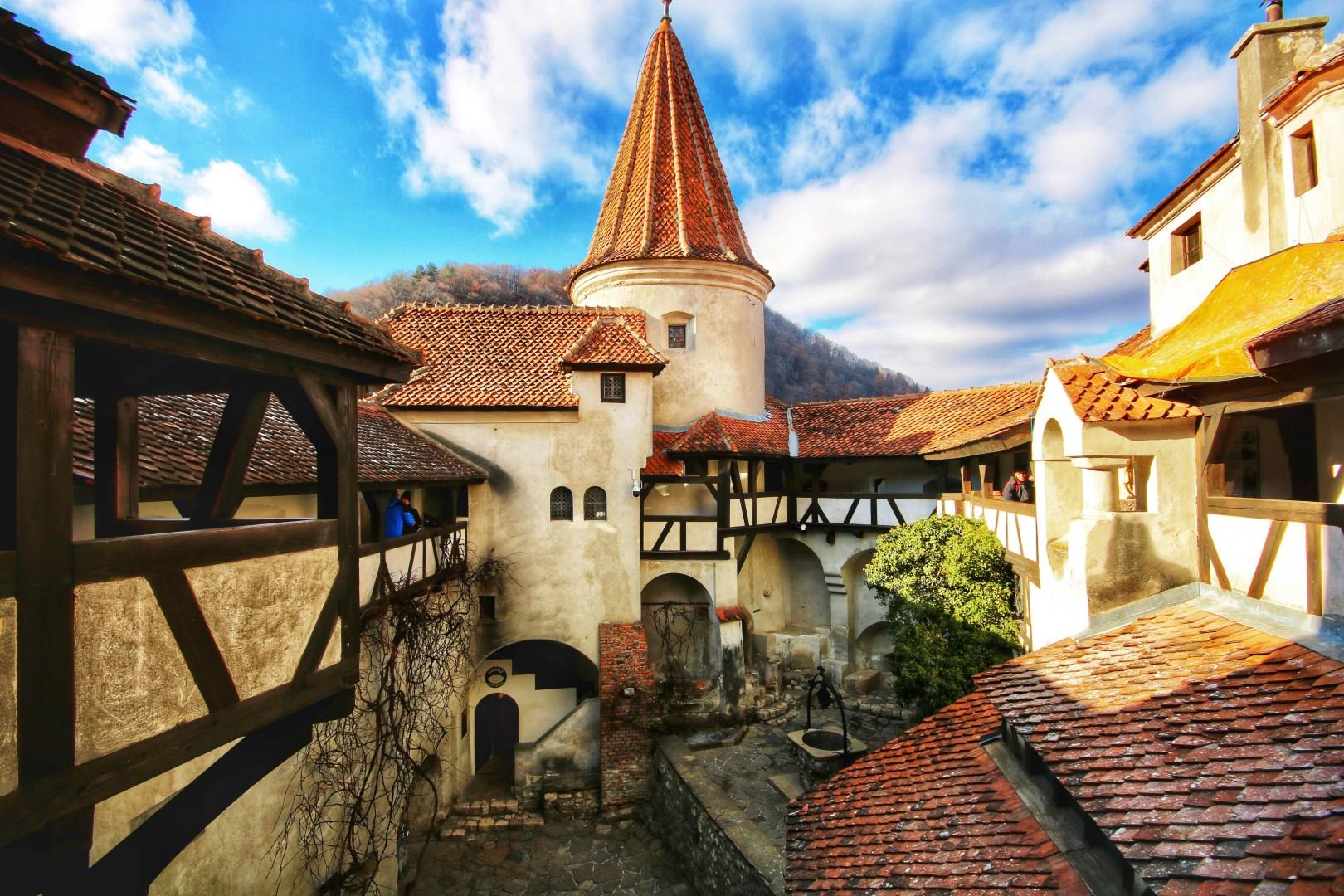
Bran, a small village nestled in the Carpathian Mountains of central Romania, is best known for its medieval fortress commonly referred to as “Dracula’s Castle.” While the connection to Bram Stoker’s fictional character is loose at best, Bran Castle continues to draw travelers with its striking towers, stone walls, and position on a rocky cliff. Originally built in the 14th century to defend against invading forces, the castle has passed through royal hands, most notably Queen Marie of Romania.
