
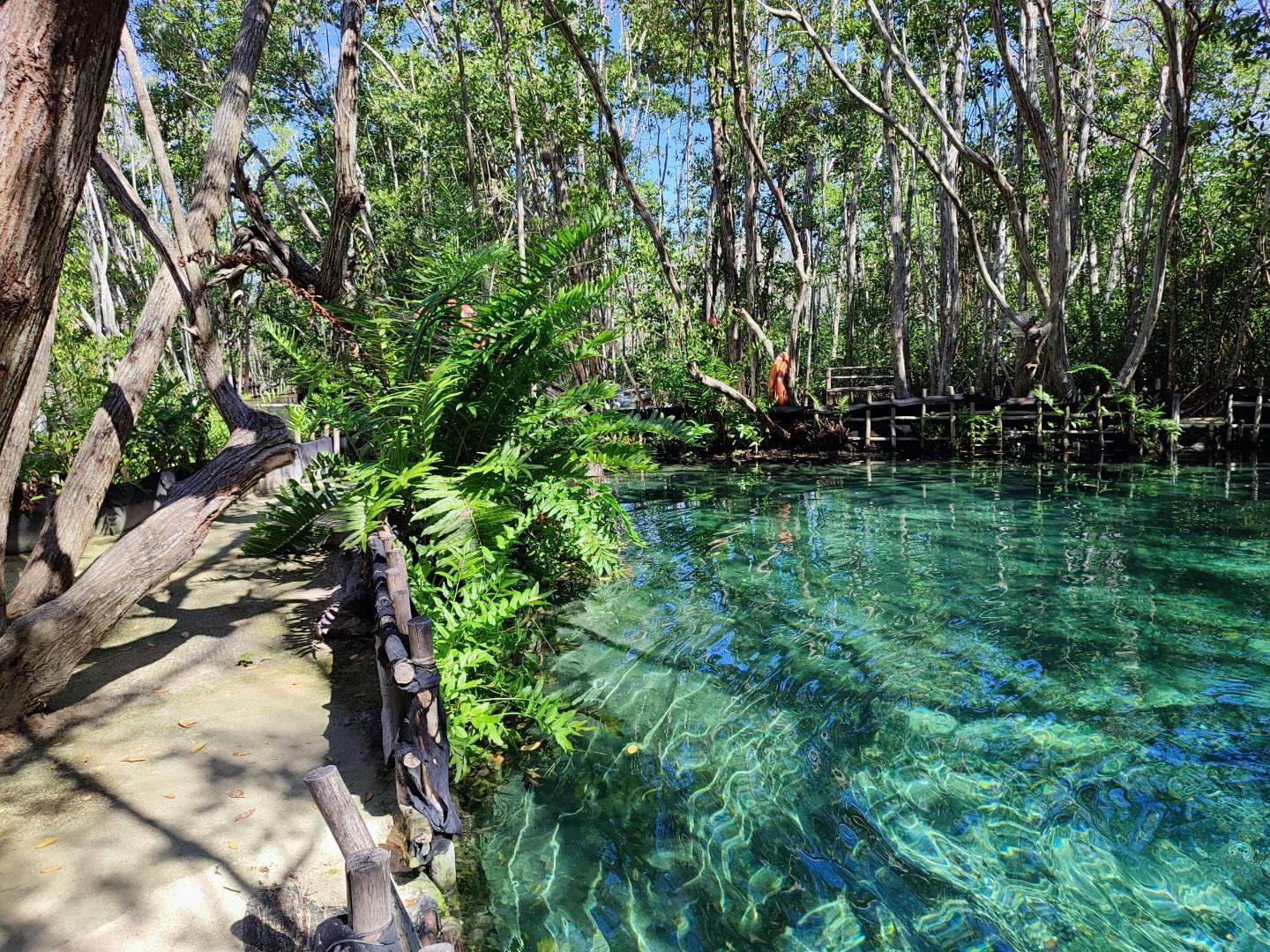
Progreso
Progreso, a coastal city in the state of Yucatán, offers travelers a relaxed atmosphere with strong ties to the sea. Founded in 1871 as a port to support trade in the region, Progreso now welcomes both cargo ships and cruise liners to its shores. Its most defining feature is the Progreso Pier, one of the longest in the world, stretching over 6 kilometers into the Gulf of Mexico.
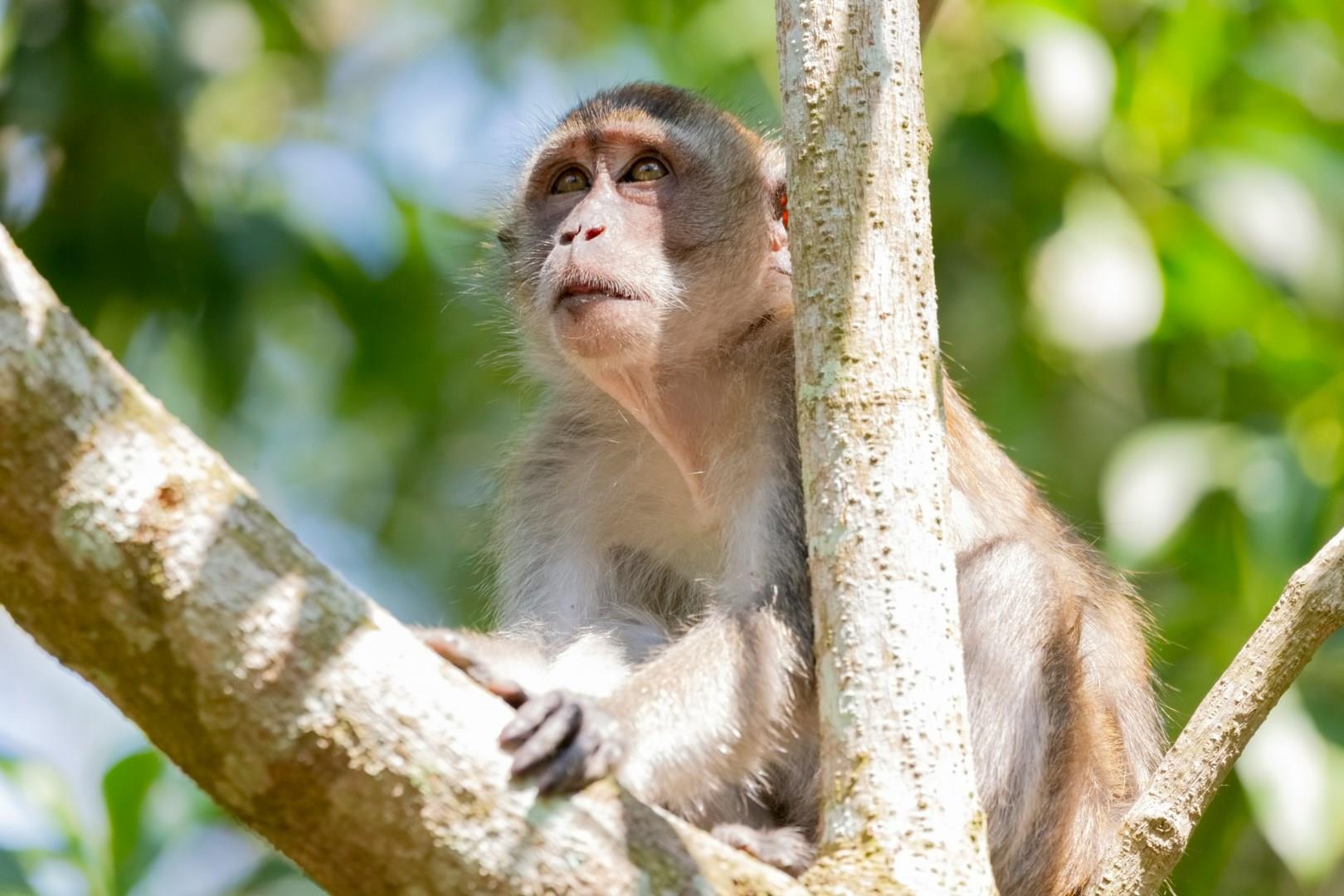
Pulau Ubin
Pulau Ubin, an island northeast of mainland Singapore, offers a glimpse into the country’s past with its preserved kampong (village) atmosphere and rustic landscapes. Unlike the modern cityscape of Singapore, Pulau Ubin retains its traditional charm, with wooden houses, coconut palms, and unpaved roads where bicycles are the main mode of transport.

Quito
Situated on the equator and nestled beneath an imposing volcano, the rugged, sprawling, and vibrant city of Quito offers adventure galore. A South American gem and Ecuador’s capital, Quito combines the best of its Incan and Spanish influences in fascinating cultural attractions, and the city’s surrounding natural beauty will surely astound you.

Sofia
Sofia, Bulgaria’s capital, is a city where the past meets the present in a symphony of ancient history, stunning architecture, and vibrant urban life. At the heart of Sofia lies the Alexander Nevsky Cathedral, one of the largest Eastern Orthodox cathedrals in the world. With its golden domes and elaborate frescoes, this architectural marvel serves as a symbol of Bulgarian identity and a must-see attraction.

Tournon
A popular stop on river cruises down the Rhône, Tournon, France is a picturesque town south of Lyon. Despite its small size, this French ville is instantly charming. From historic buildings like the Château-Musée de Tournon and the Église Saint-Julien de Tournon, to the lush botanical splendor of the Jardin d’Eden, Tournon’s quaint beauty is guaranteed to enchant.
