
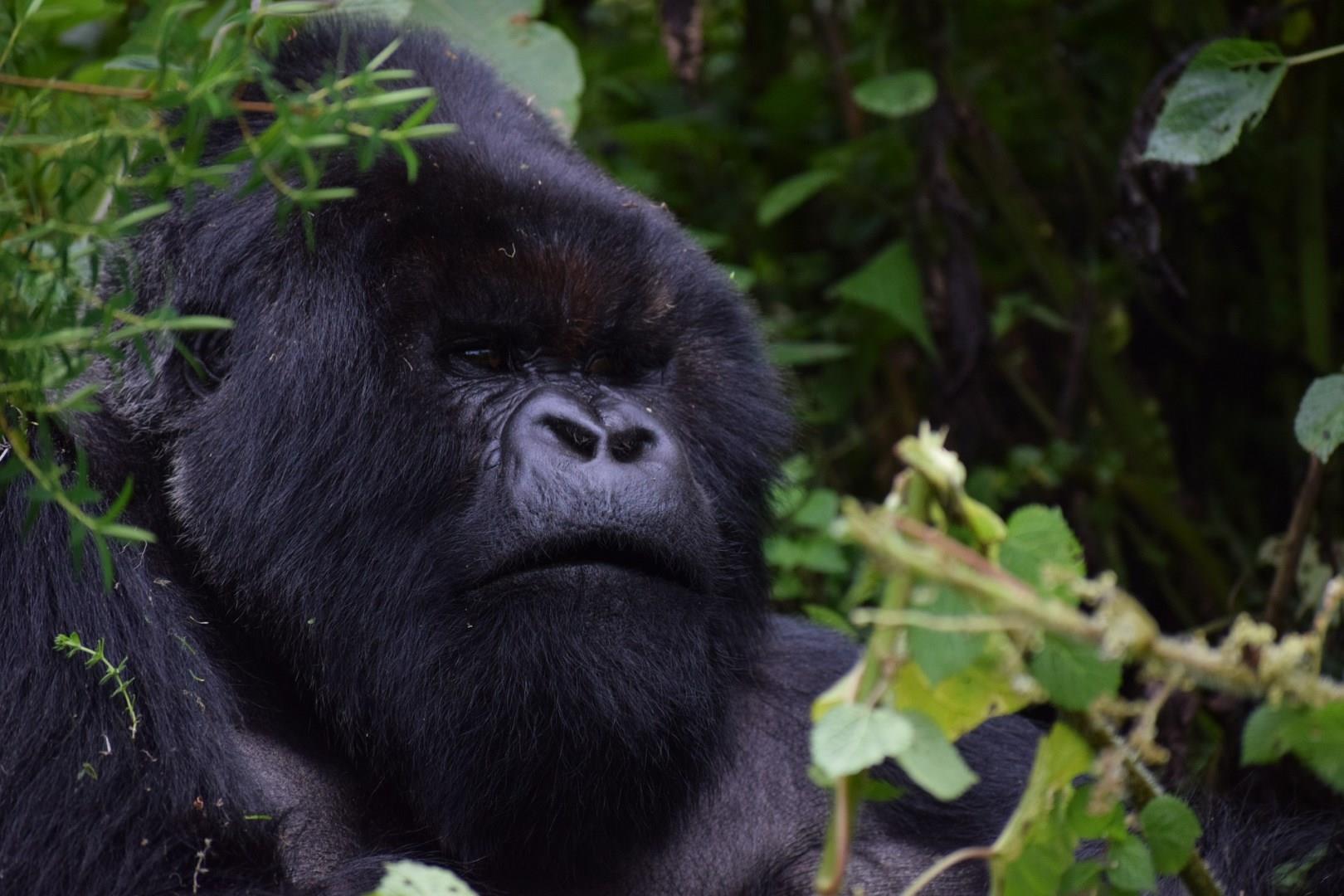
Rwanda
Rwanda, often called the “Land of a Thousand Hills,” is a country of rolling green landscapes, misty mountains, and shimmering lakes. Its scenery is striking, with terraced hillsides and lush valleys stretching as far as the eye can see.

Hubbard Glacier
A moving sight...literally. Hubbard Glacier's recent nickname "the galloping glacier" refers to its rapid movement through Disenchantment Bay in the direction of the Gulf of Alaska. This tidewater glacier is a natural wonder over 6 miles wide! Those on ships are usually able to get within about a half mile of Hubbard Glacier's face.
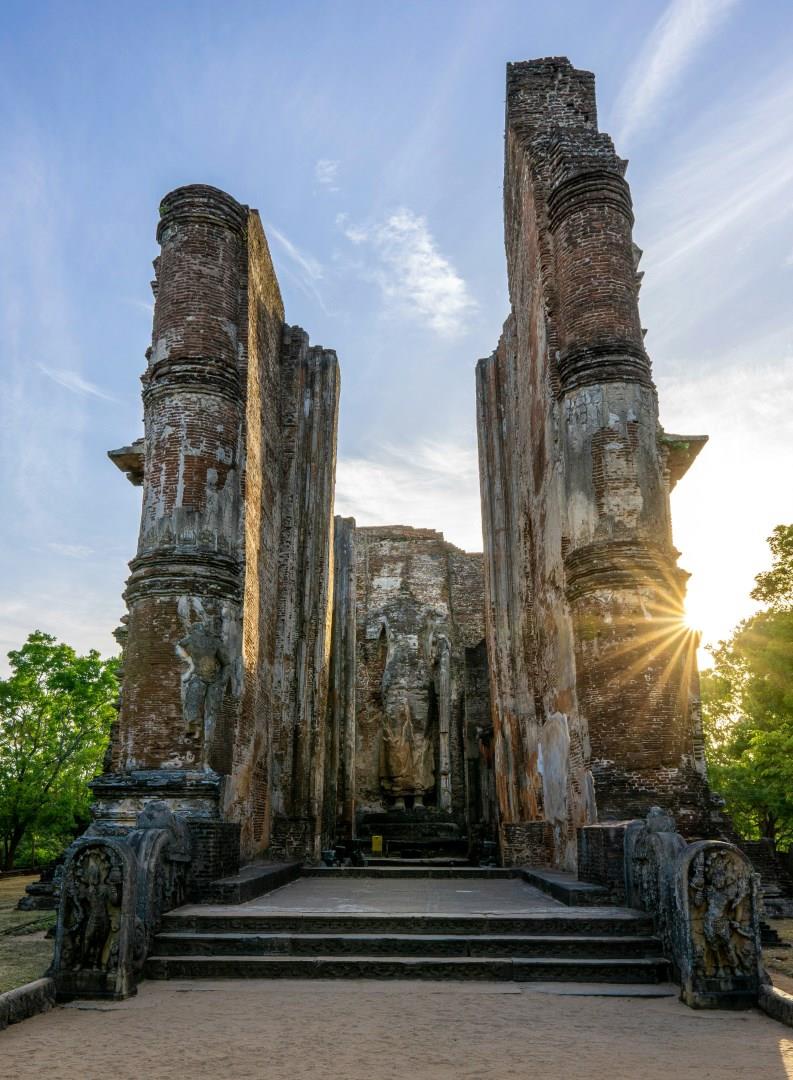
Polonnaruwa
Polonnaruwa, located in Sri Lanka’s North Central Province, served as the island’s capital nearly a thousand years ago. Today, it offers one of the most extensive and well-preserved archaeological sites in South Asia. Visitors can walk among the ruins of royal palaces, Buddhist monasteries, and intricately carved stone temples. One of the highlights of Polonnaruwa is the Gal Vihara, a group of colossal Buddha statues carved directly into granite.

Gulf Of Oman
The Gulf of Oman is a region of diverse landscapes and rich history. Stretching between the coasts of Oman, the United Arab Emirates, and Iran, this gulf is lined with stunning shorelines, port cities, and hidden natural gems.
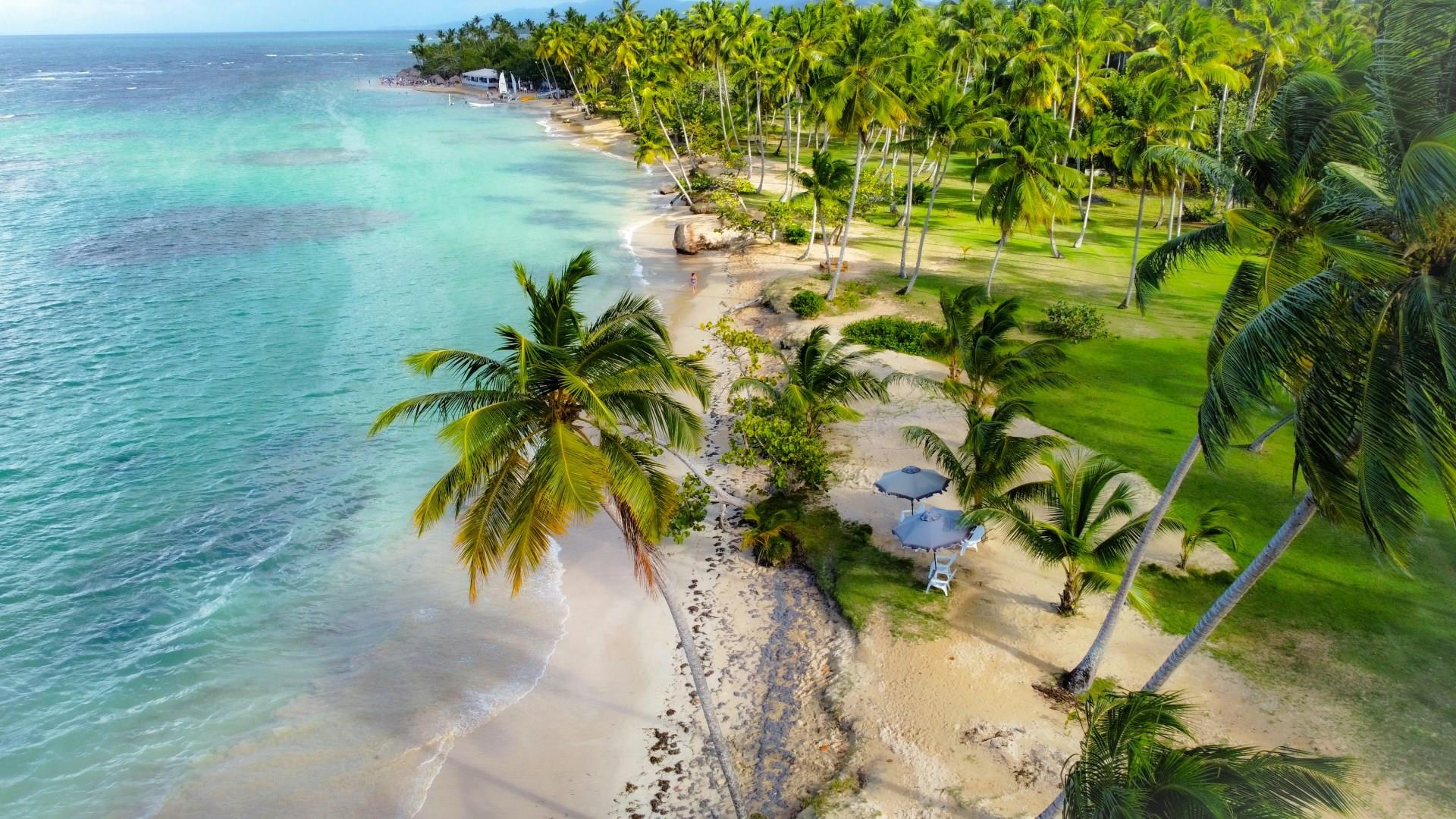
Samaná
Samana sits on a peninsula along the northeastern coast of the Dominican Republic, shaped by seafaring history and a strong Afro-Caribbean cultural presence.
