

Zadar
Set on the Adriatic Sea, Zadar, Croatia, is a major Dalmatia historical center and a tourism magnet. Walk ancient streets, see Roman ruins and enjoy white-sand beaches.
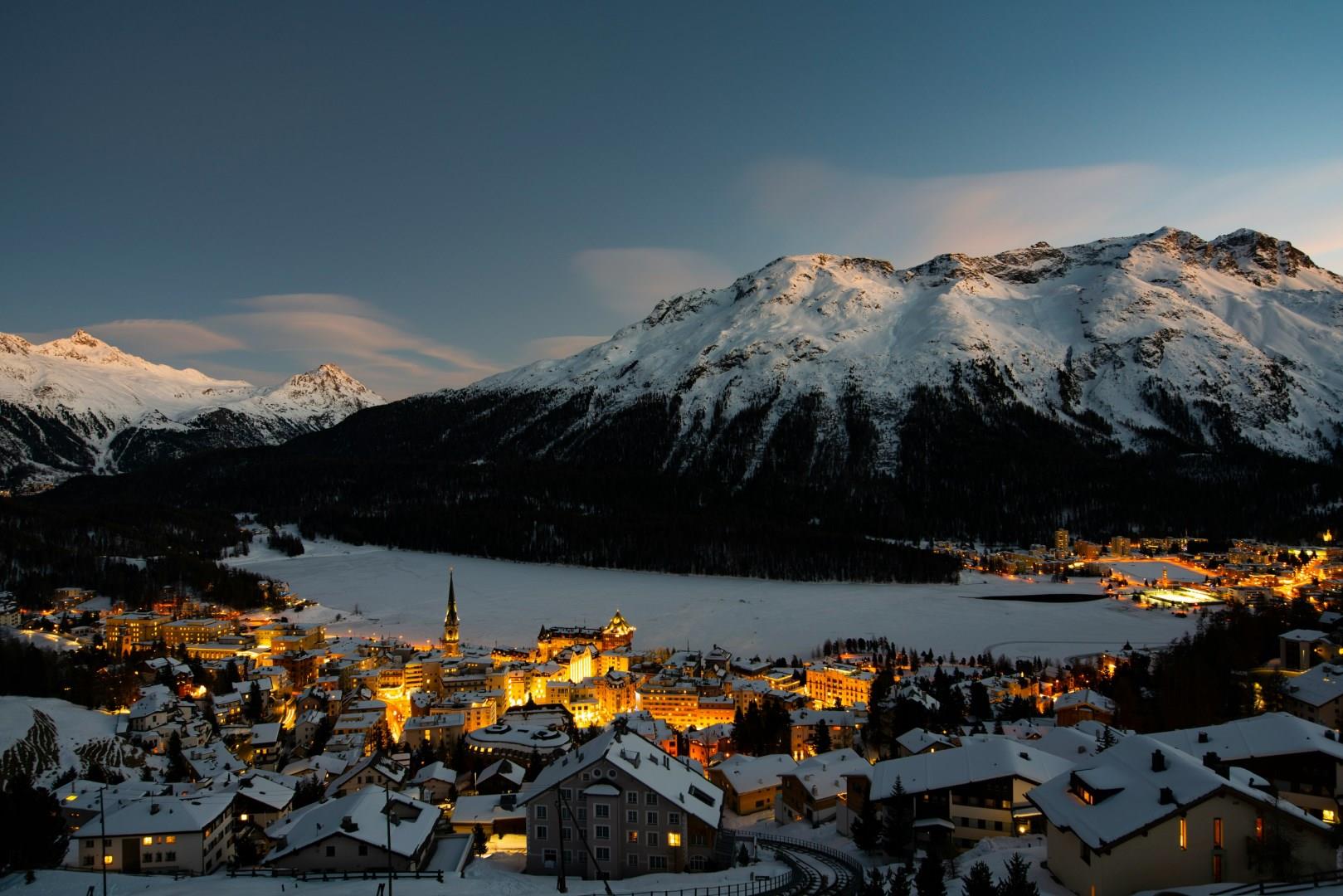
St. Moritz
St. Moritz, located in Switzerland’s Engadin Valley, has been attracting visitors for over 150 years, long before the term "alpine resort" became common. It was here in 1864 that winter tourism was born, when a hotelier made a wager with British guests that they would enjoy the snow just as much as the summer sun. They returned, and the rest is history. The town has since hosted the Winter Olympics twice (in 1928 and 1948) and remains a favorite for skiing, snowboarding, and ice sports.

Sossusvlei
Sossusvlei, located in the heart of the Namib Desert in Namibia, is a breathtaking destination that captivates travelers with its surreal landscapes and towering red sand dunes. The star attraction of Namib-Naukluft National Park, Sossusvlei is famous for its clay pans surrounded by some of the highest sand dunes in the world, some reaching heights of over 300 meters.

Puerto Montt
The city of Puerto Montt sits on the coast of Chile's Lake District and is considered a gateway to some of the country's most breathtaking natural beauty, including the fjords of Patagonia and the impressive Andes mountain range. Puerto Montt often serves as a port for South American cruises.

Troy
Troy, a place of legends and a place of history. One of the most famous cities of ancient history, the mythological city of Troy dates back to the early Bronze Age. Best known as the famous city of Helen and the horse of Trojans from Homer's Iliad.
