
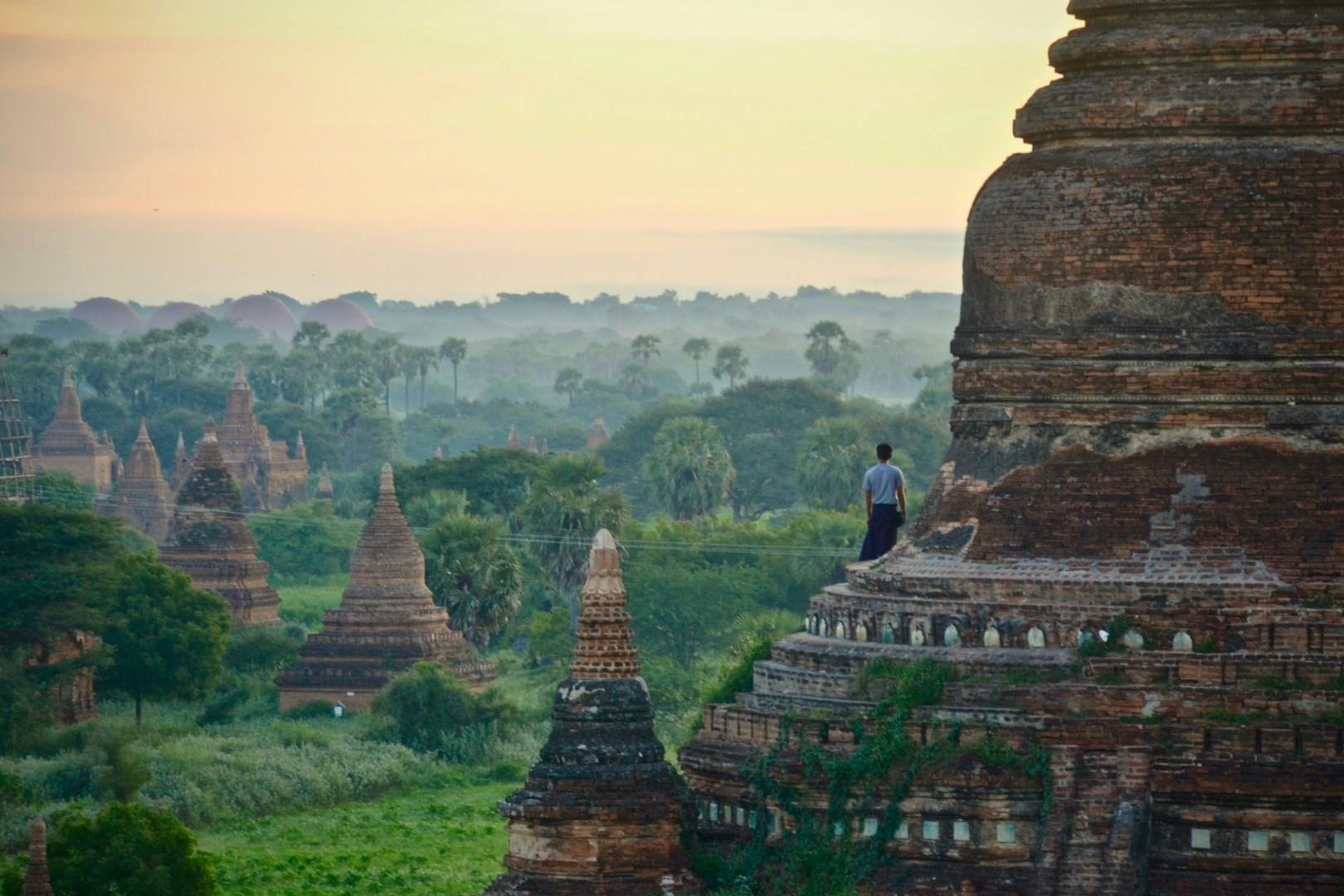
Myanmar
Myanmar, also known as Burma, is a Southeast Asian country known for its rich cultural heritage, golden pagodas, and diverse landscapes. From the busy streets of Yangon to the tranquil waters of Inle Lake, Myanmar offers travelers a mix of history, spirituality, and natural beauty.

Slovenia
>Slovenia, tucked between the Alps and the Adriatic Sea, is a small country with a strong sense of identity and an impressive variety of landscapes. Its capital, Ljubljana, is known for its walkable center and mix of Baroque, Secessionist, and modern architecture. The Ljubljanica River runs through the city and is lined with open-air cafés and artisan shops.

Fukuoka
Fukuoka, Japan’s vibrant city on the island of Kyushu, offers a captivating blend of history, culture, and modern charm. Known for its welcoming atmosphere and rich heritage, Fukuoka is home to the impressive Fukuoka Castle, a historical site that offers a glimpse into the city’s feudal past.

Uluru
Located in Australia's Northern Territory, Uluru is an iconic sandstone formation and UNESCO World Heritage site. This red rock monolith, believed to be over 500 million years old, has been considered sacred by Australia's indigenous peoples for thousands of years and is one of the country's most well-known natural landmarks. This spiritual destination will astound you at sunrise and sunset, when the warm sunlight turns Uluru to deep hues of red and orange.

Cienfuegos
Cienfuegos, located on Cuba’s south coast along a sheltered bay, stands apart from many other Cuban cities due to its distinct European origins. Founded in 1819 by French settlers, the city developed with a carefully planned layout, wide avenues, and neoclassical architecture that earned it the nickname “La Perla del Sur.”
