

Adelaide
Situated on the coast of South Australia, Adelaide shines as one of Australia’s cultural centers and boasts extraordinary natural beauty throughout.
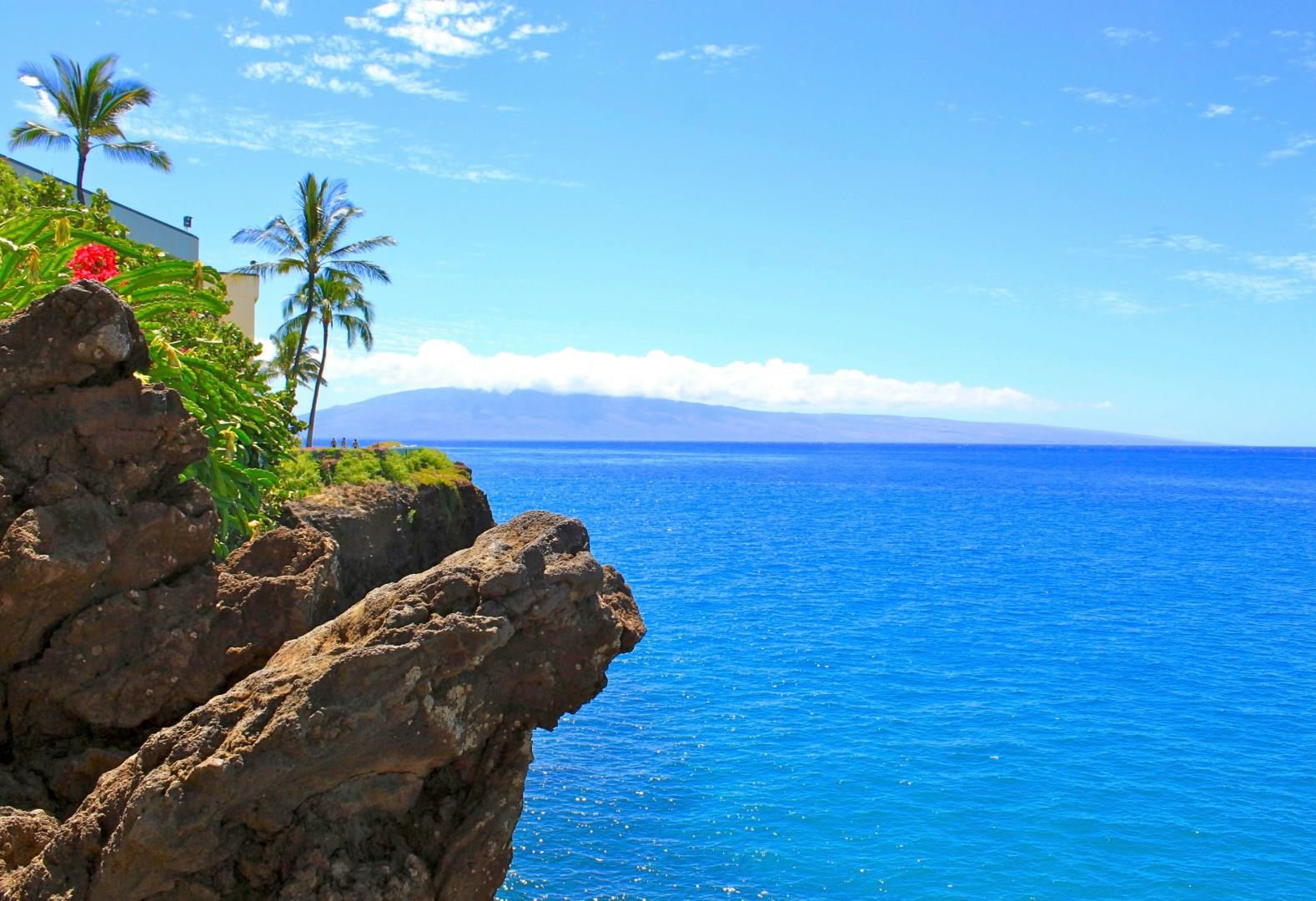
Kaanapali, Maui
In ancient times, Kaanapali was a royal retreat for the rulers of Maui, who delighted in the perfect three-mile stretch of white sand beach, the gentle waves, warm sunny days and the majestic West Maui Mountains. Maui royalty surfed, raced their outrigger canoes, feasted at luaus that lasted for weeks, and where the Kaanapali Golf Course now blankets the land, they played ulu maika, a form of lawn bowling with heavy lava balls.

Abel Tasman National Park
Abel Tasman National Park, located at the northern tip of New Zealand's South Island, is a paradise for nature lovers and outdoor enthusiasts. Renowned for its golden beaches, lush forests, and crystal-clear waters, the park offers an array of activities, from hiking to kayaking. The Abel Tasman Coastal Track, one of New Zealand's Great Walks, stretches over 60 kilometers and provides breathtaking views of the coastline, making it a must-do for visitors.

Athens
Ancient history comes alive in Athens, the capital of Greece. Gaze in wonder at the Acropolis and its iconic crown, the Parthenon. Take a deeper dive into the past and visit both the Acropolis Museum and the National Archaeological Museum, which house fascinating artifacts from this ancient city.
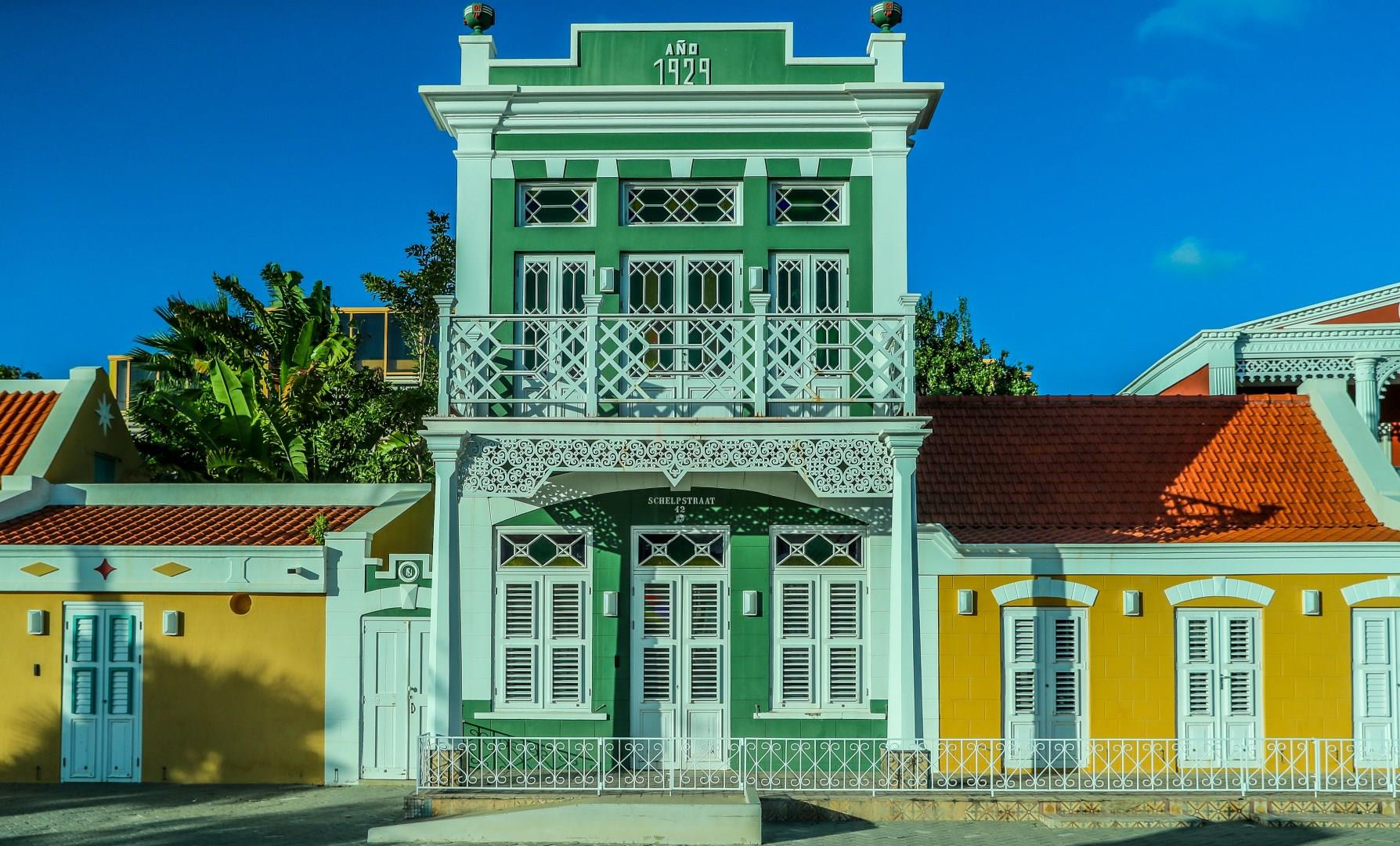
Oranjestad
Oranjestad, Aruba’s colorful capital, blends Dutch colonial charm with the island’s easygoing Caribbean character. The city’s pastel-painted buildings, adorned with gables and decorative facades, recall its Dutch heritage while housing modern boutiques, cafés, and museums.
