

San Juan
San Juan, Puerto Rico’s capital, is a city where cobblestone streets lead to centuries-old forts and pastel-colored buildings overlook the Atlantic. The district of Old San Juan is a UNESCO World Heritage Site, known for its Spanish colonial architecture and thick stone walls that once defended the city from pirates and naval attacks. The city hosts regular events such as La Campechada, which celebrates Puerto Rican art and literature with live performances and open-air exhibits.
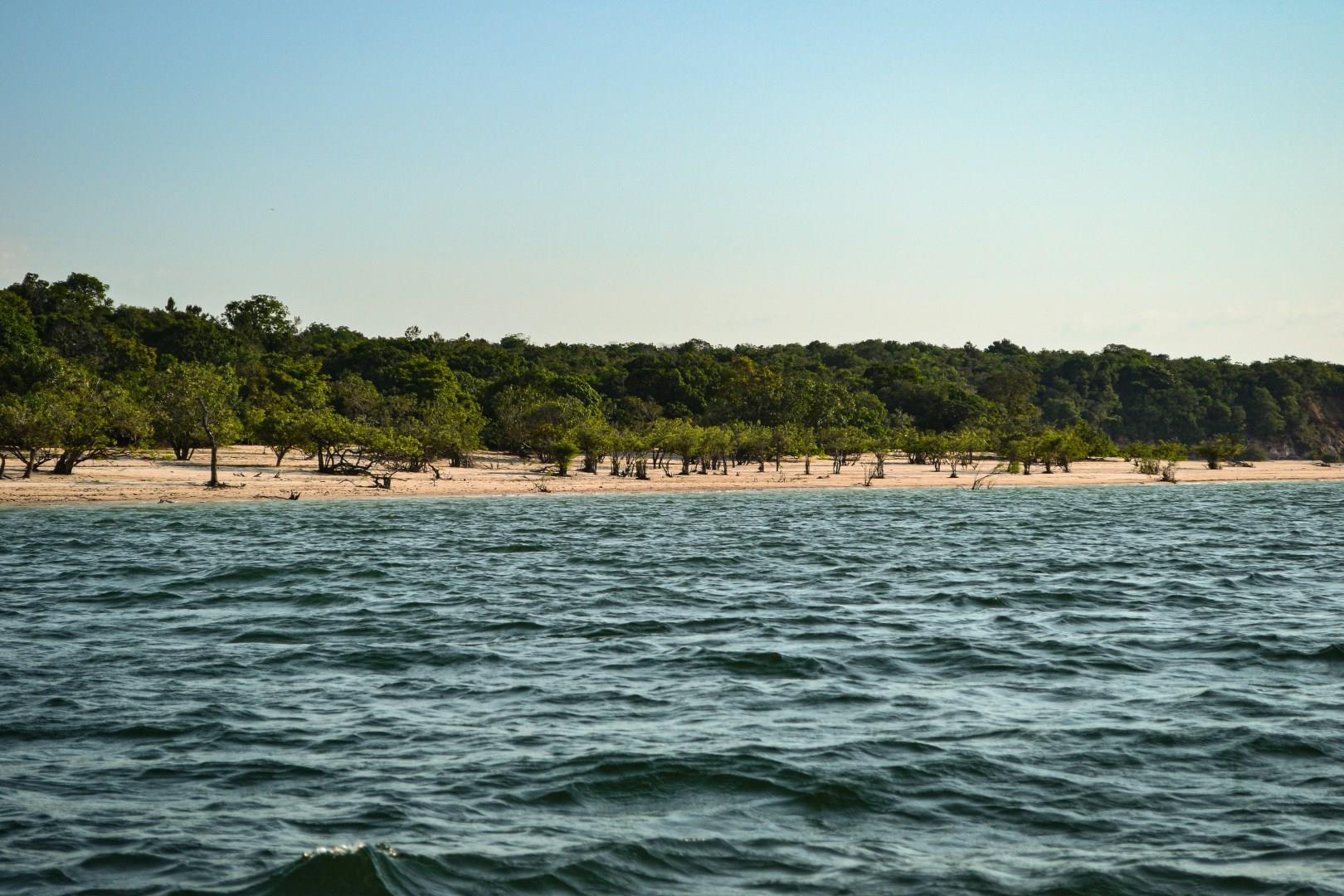
Alter do Chão
Alter do Chão is a riverside village in the Brazilian state of Pará, on the banks of the clear Tapajós River. Though part of the larger municipality of Santarém, Alter do Chão has its own rhythm and identity, known far beyond Brazil for the white-sand beaches that appear when river levels drop between July and December. One of the most famous spots is Ilha do Amor (Love Island), a sandbar just off the village shore that feels almost like a hidden world of warm water and bright sky.

Symi
Symi, a charming island in the Dodecanese, Greece, offers a picturesque escape with its striking neoclassical architecture and vibrant Mediterranean colors. The town of Symi, a designated protected cultural heritage site, is renowned for its beautifully preserved pastel-colored mansions that line the harbor.

Jurassic Coast
The Jurassic Coast, a UNESCO World Heritage Site, is a breathtaking stretch of England’s southern coastline that spans 95 miles from Exmouth in Devon to Studland Bay in Dorset. It is renowned for its dramatic cliffs, stunning beaches, and incredible geological history, offering visitors the chance to explore 185 million years of Earth’s evolution.

Kinderdijk
Replete with windmills and old-world charm, the village of Kinderdijk lies east of Rotterdam on the Lek River and is a popular stop for European river cruises. Home to the largest concentration of old windmills in the Netherlands, Kinderdijk was designated a UNESCO World Heritage Site in 1997.
