

Tibet
Tibet, often referred to as the "Roof of the World," is a land of breathtaking beauty, spiritual depth, and rich cultural heritage. Set against the backdrop of the towering Himalayas, Tibet captivates travelers with its dramatic landscapes, from vast high-altitude deserts to verdant valleys and serene lakes.
Thimpu
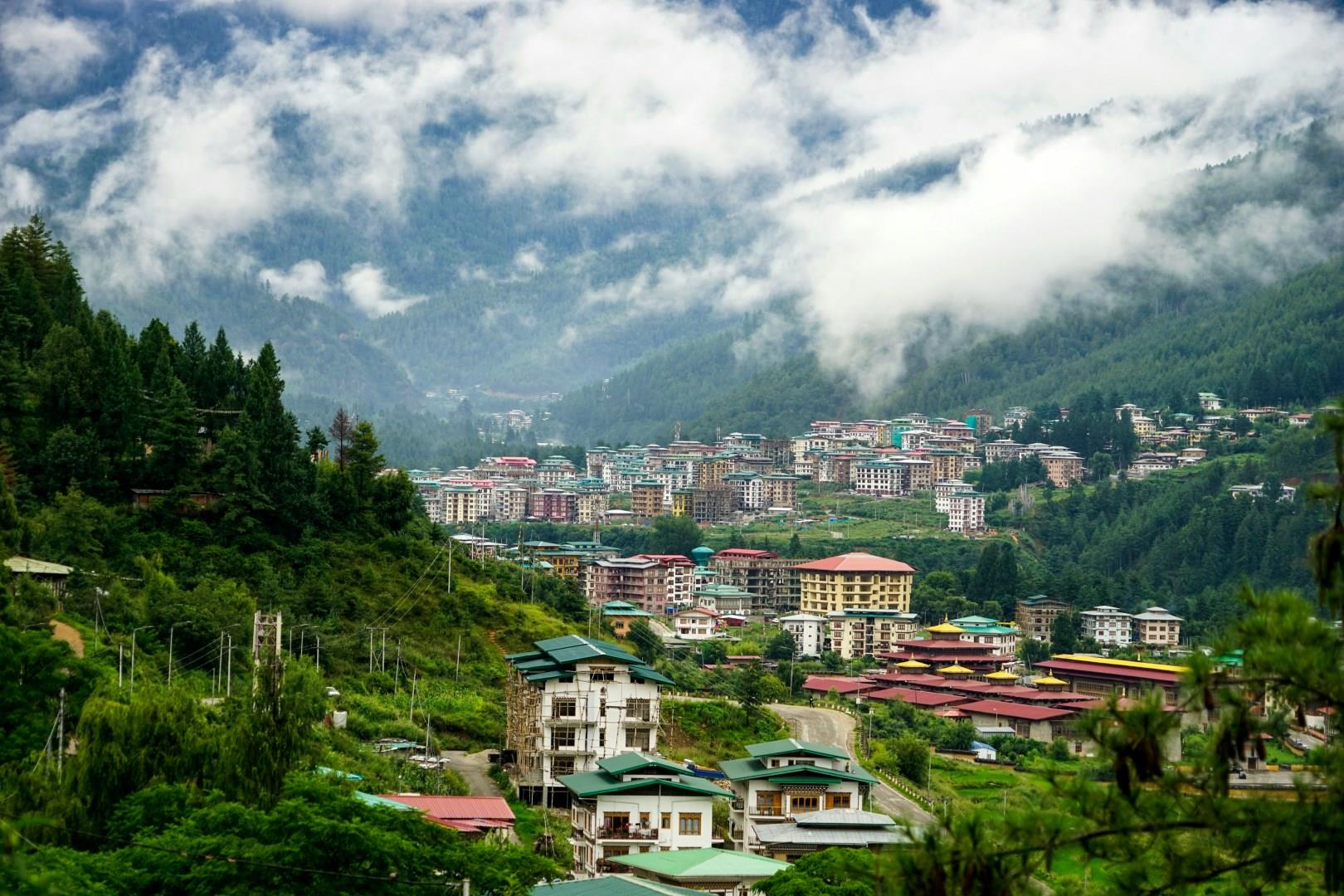
Thimphu, the capital of Bhutan, is a city where tradition and modern life meet in unexpected ways. Streets are lined with traditional Bhutanese architecture, colorful prayer flags, and shops selling handicrafts, while government offices and modern facilities operate alongside centuries-old temples.

Civitavecchia
This pleasant port town provides a nice, calmer contrast to bustling Rome, so travelers are advised to not simply pass through, but linger and discover more of Civitavecchia. Explore Forte Michelangelo, shop at Corso Centocelle, see the neoclassical Trajan Theatre, and delve into the therapeutic Taurine Baths of Civitavecchia.

Volga
The Volga River is an emblematic waterway that meanders through the heart of Russia, offering an exceptional journey through the country’s rich cultural and historical tapestry. As Europe’s longest river, stretching approximately 3,530 kilometers (2,194 miles), the Volga flows from the Valdai Hills to the Caspian Sea, weaving through major cities such as Tver, Nizhny Novgorod, and Volgograd.
Recife
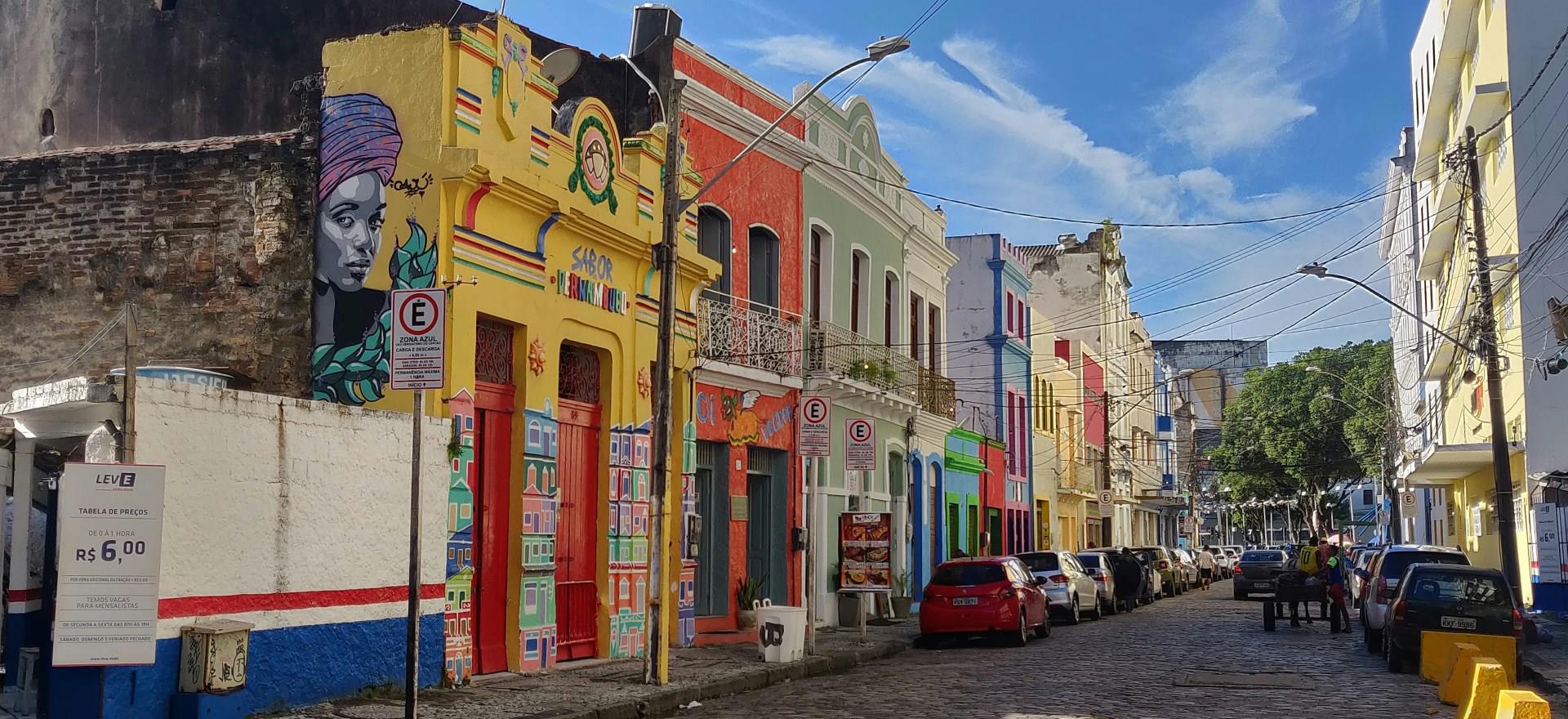
Recife spreads across a low-lying coastline in northeastern Brazil, shaped by rivers, bridges, and a long history of Atlantic exchange. Founded by the Portuguese and later occupied by the Dutch in the 17th century, the city carries layered influences visible in its street layout, fortifications, and religious buildings.
