
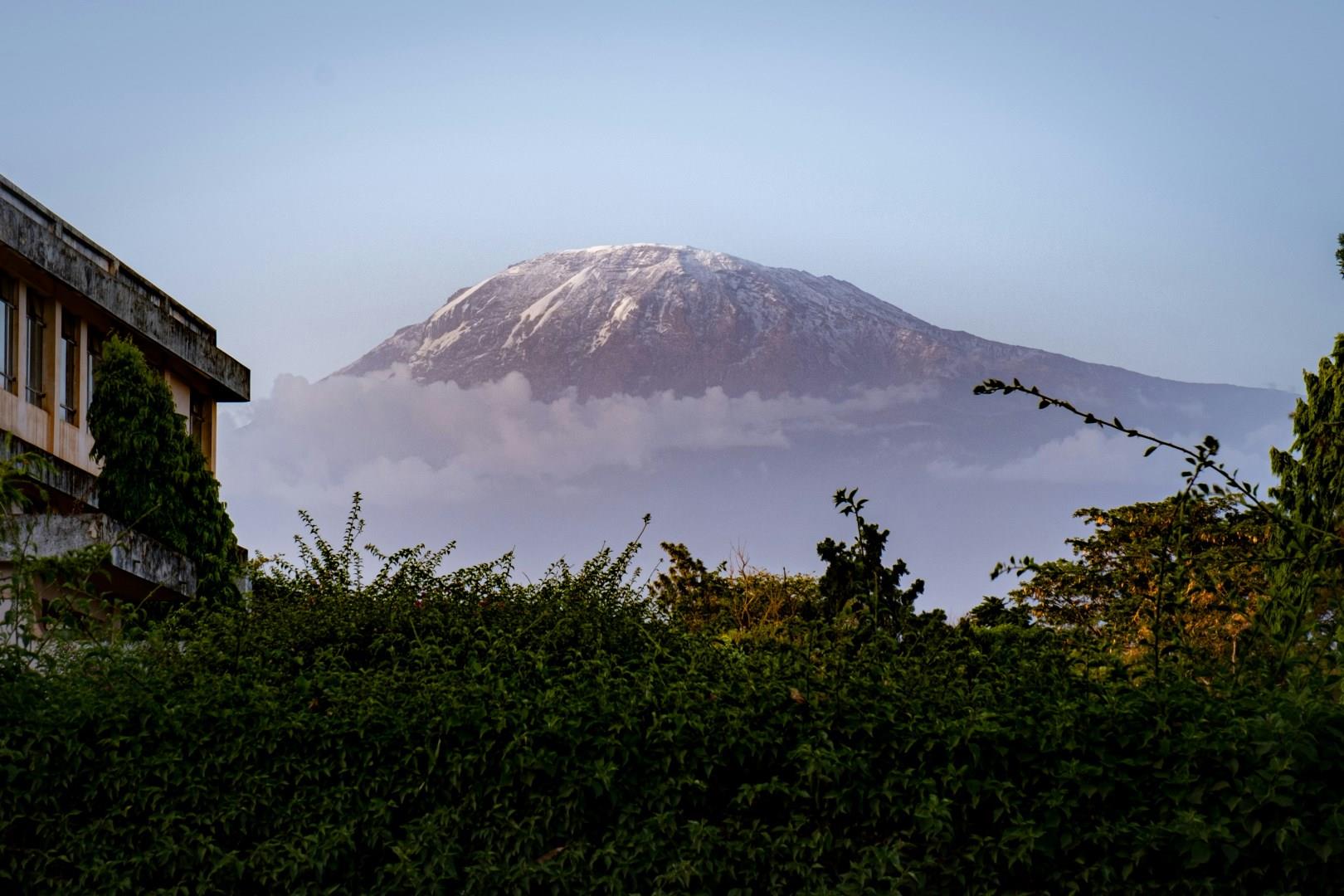
Moshi
Moshi sits on the southern slopes of Mount Kilimanjaro in northern Tanzania, shaped by both Chagga culture and its role as a crossroads for trade and travel.

Papua New Guinea
Papua New Guinea is a land of surprises, where misty highlands give way to tropical coasts and vibrant festivals stir every sense. In the Highlands, the air carries the echoes of ceremonial drums and elaborate sing‑sings like the famed Goroka Show, where over 100 tribes gather in September to perform dances adorned with feathered headdresses, body paint, and the haunting clay masks of the Asaro Mudmen.
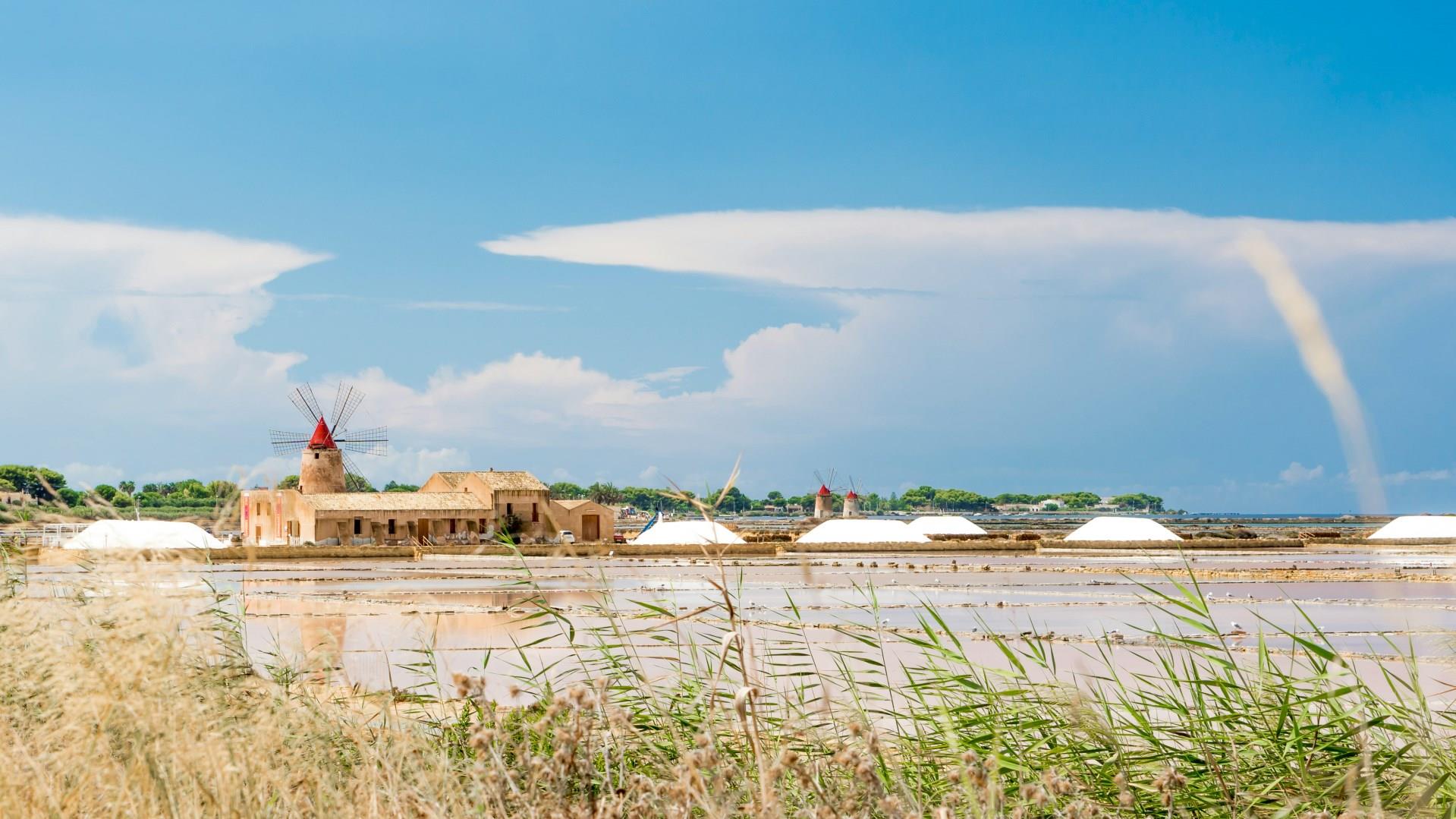
Marsala Sicily
Marsala is a coastal city in western Sicily with a long history shaped by trade, conquest, and winemaking. Founded by the Phoenicians in the 4th century BCE, it later passed through Roman, Arab, Norman, and Spanish hands, each leaving traces in the city’s layout and culture.
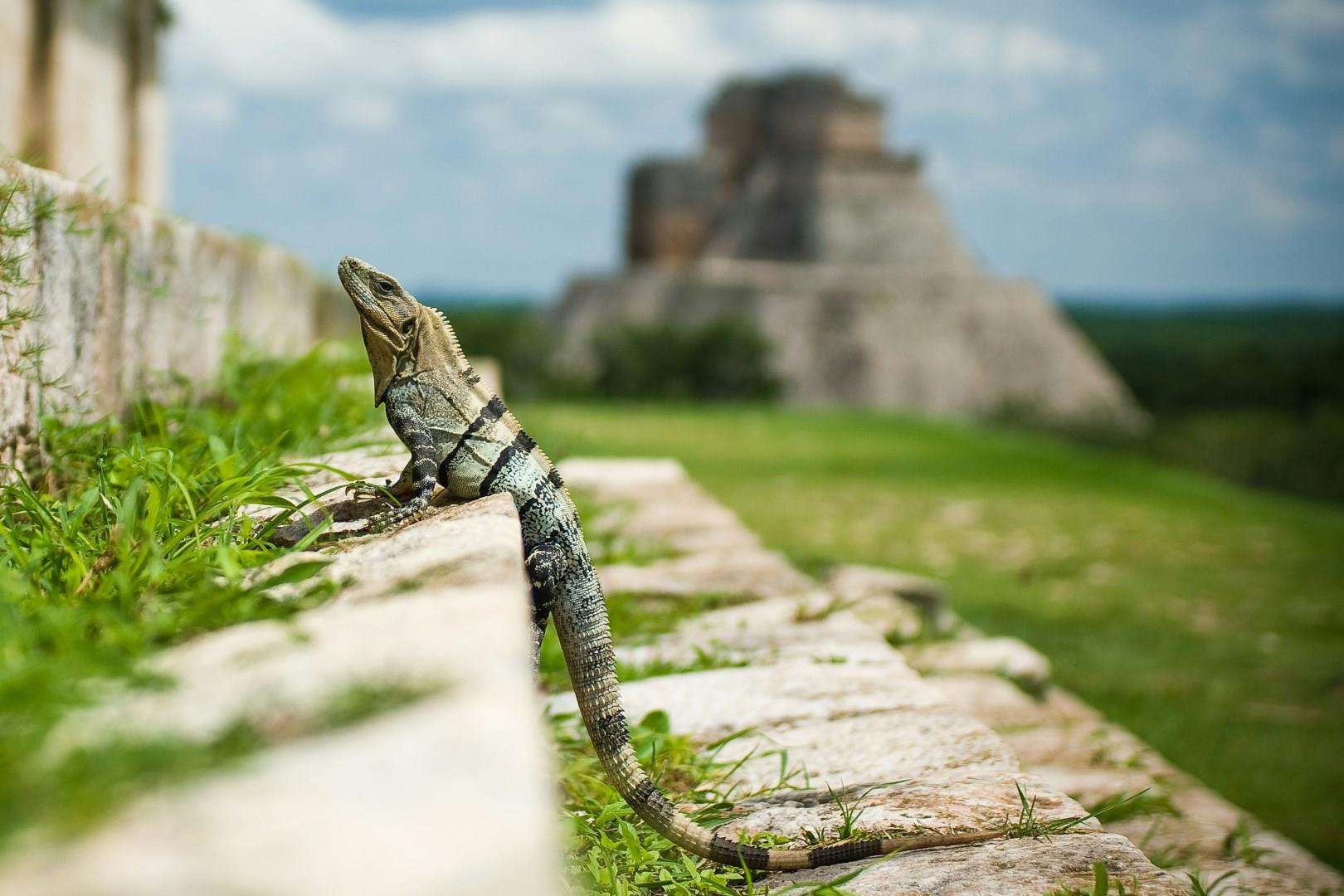
Uxmal
Uxmal, located about 80 kilometers south of Mérida in the Puuc region of Yucatán, is one of the most architecturally refined ancient Maya cities. Unlike other major Maya sites built with steep pyramids and narrow passageways, Uxmal is known for its smooth limestone structures, wide plazas, and intricate stone mosaics. One unique experience available to visitors is the nightly light and sound show, which uses colored projections to highlight carvings and narrate local legends and Maya cosmology.

Cairns
Cairns is the majestic entrance to Australia's Great Barrier Reef. This warm, tropical destination is located in Far North Queensland. Must-see attractions in Cairns include the Tjapukai Aboriginal Cultural Park, which educates tourists about indigenous peoples, and restaurant and bar-dotted Cairns Esplanade, which has a lagoon for swimming.
