

Melk
Nestled along the south bank of the Danube, this historical Austrian city bursts with charm. A favorite stop on European river cruises, the city's most famous attraction is Melk Abbey, which dates back to the 11th century. The original Benedictine structure was lost to fires and foreign invasion, then rebuilt during the 18th century in lavish Baroque style, including a library and inner church covered in magnificent frescoes and gilded fixtures.

Rome
Often called the Eternal City, Rome stands alone as Italy's most visited destination. The third most populated city in the European Union, Rome boasts ancient sites, yet has a modern flair — an exhilarating mix of the Old World and the new.
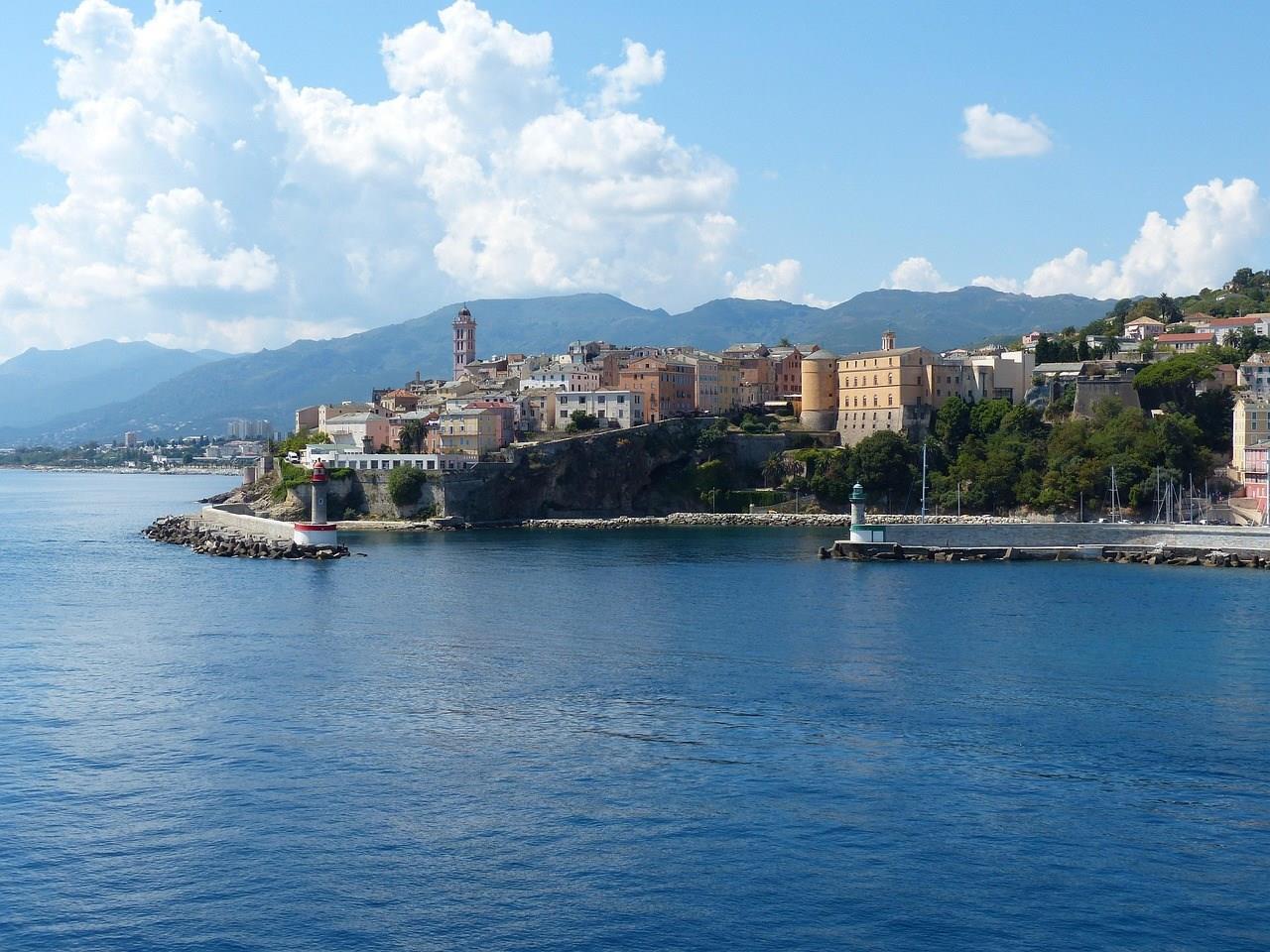
Bastia Corsica
Bastia, located on the northeastern coast of Corsica, is a city where coastal scenery and centuries of history meet at every turn. Overlooking the Tyrrhenian Sea, it serves as the island’s main port and a lively gateway for travelers arriving by ferry. Its old harbor, Vieux Port, is a highlight lined with tall, weathered houses in soft, faded colors, fishing boats bobbing in the water, and waterfront cafés that capture the steady rhythm of local life.
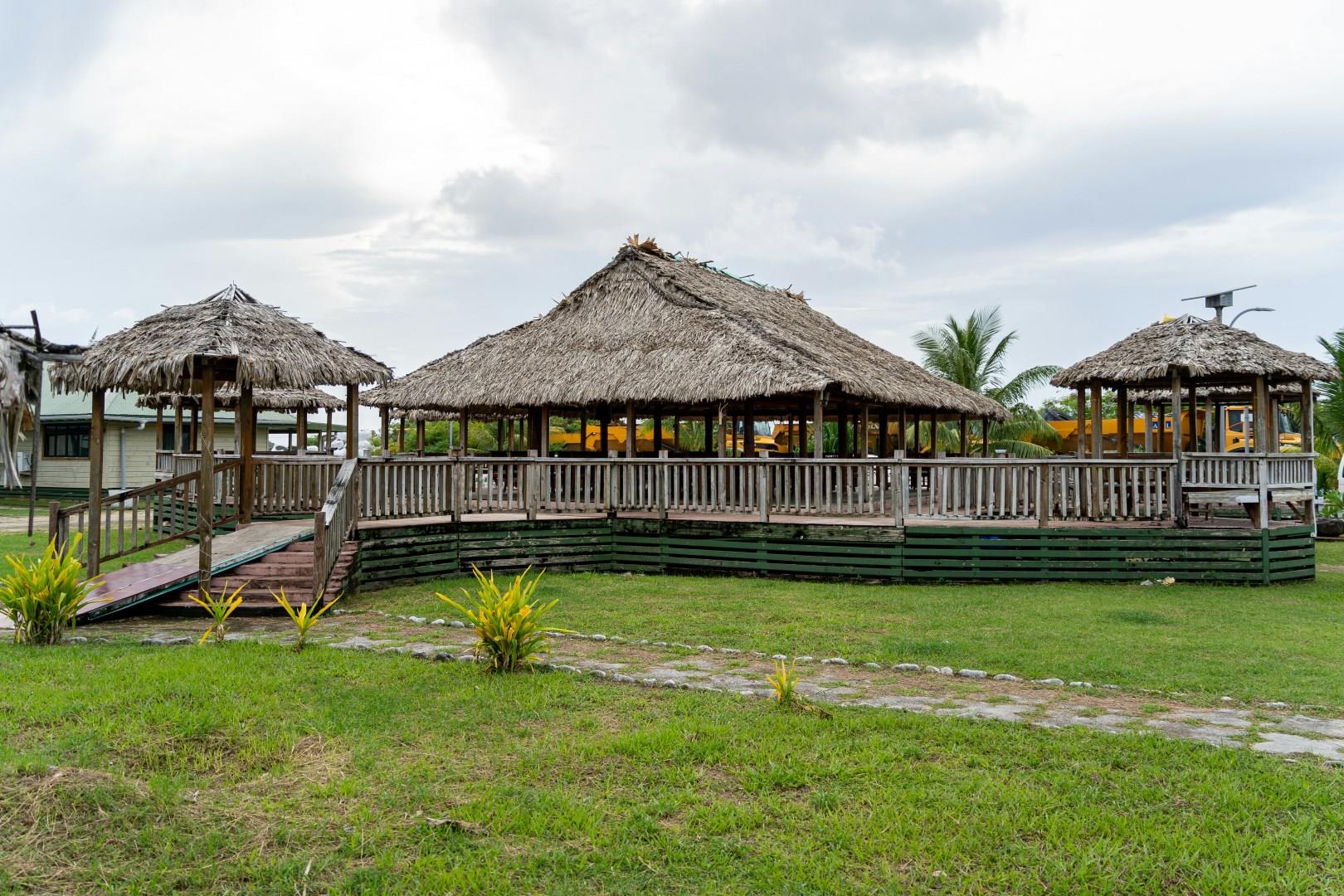
Funafuti Atoll
Funafuti Atoll, the capital of Tuvalu, is a narrow strip of land wrapped around a brilliant turquoise lagoon that stretches over 20 kilometers across. Despite being just 600 meters at its widest point, Funafuti is the heartbeat of the country, where government buildings, homes, schools, and the island’s only airport all coexist along sandy roads lined with coconut trees.

Essaouira
Essaouira, a charming coastal city in Morocco, offers an enchanting blend of history, culture, and natural beauty. Nestled on the Atlantic coast, Essaouira is renowned for its well-preserved medina, a UNESCO World Heritage Site, featuring a labyrinth of narrow alleys, whitewashed buildings, and vibrant blue shutters. This historic port city boasts impressive ramparts, including the iconic Skala de la Ville, which offers panoramic views of the ocean and the bustling harbor.
