

Belgrade
A historic capital in the heart of the Balkans, Belgrade will absolutely charm you with its picturesque cafés, striking religious monuments, riveting museums, and thriving nightlife.

Manaus
Manaus, capital of Brazil’s Amazonas state, is a city that rises unexpectedly from the rainforest. Once the center of the global rubber boom in the late 1800s, Manaus still holds onto that legacy with surprising elegance. The Teatro Amazonas, an opulent opera house imported piece by piece from Europe, sits at the heart of the city, its pink façade and domed roof tiled in the colors of the Brazilian flag. Today, it hosts concerts, festivals, and curious visitors eager to step back in time.
M'Hamid
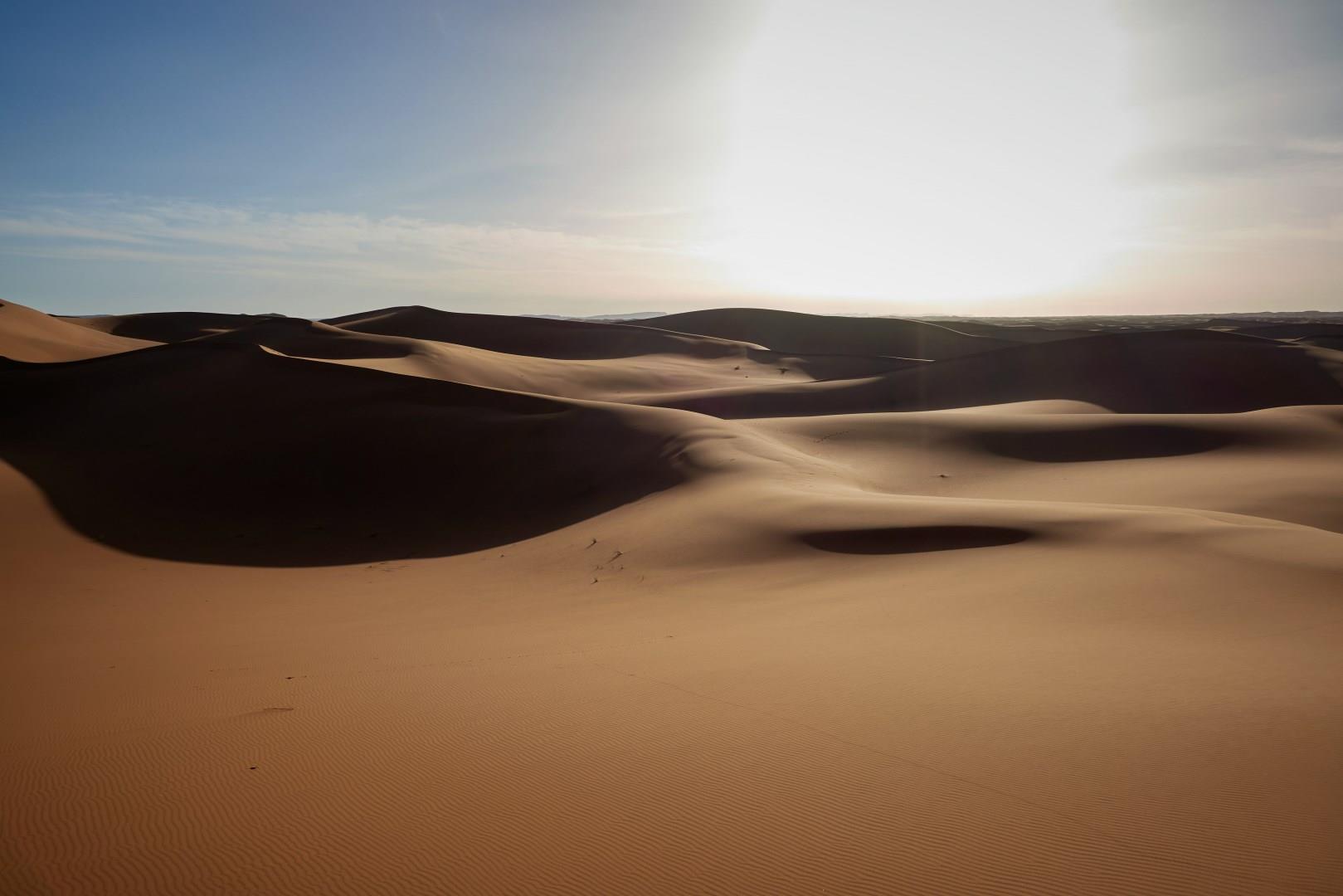
M’Hamid El Ghizlane sits deep in southeastern Morocco’s Sahara, where the paved road ends and endless sands begin. Travelers often arrive from Zagora, taking in the wide palm groves fed by ancient irrigation channels that show how people have sustained life here for centuries. At sunrise and sunset, the dunes glow with waves of gold and copper, offering unforgettable views few places on earth can match.
Uyuni
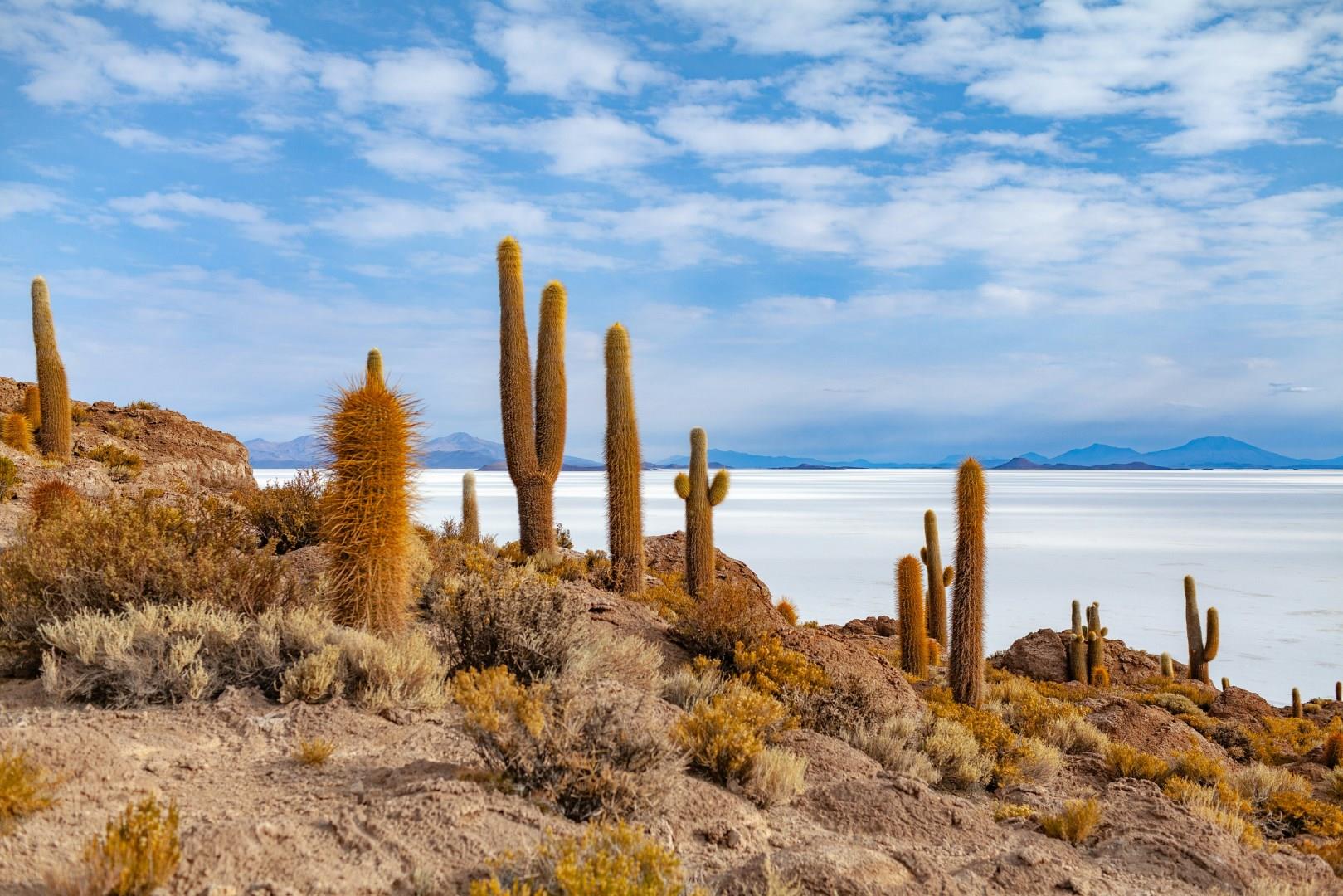
Uyuni, in southwestern Bolivia, is best known as the gateway to the world’s largest salt flat, Salar de Uyuni. Once a humble railway town, Uyuni has grown into a base for travelers drawn to this surreal landscape, where an ancient dried-up lake has left behind a vast expanse of glistening salt crust.

Bayonne
Bayonne, nestled in the heart of France's Basque Country, offers a delightful blend of history, culture, and gastronomy. This charming city, with its half-timbered houses and narrow cobbled streets, sits at the confluence of the Nive and Adour rivers, creating a picturesque setting that invites leisurely exploration. The Gothic Bayonne Cathedral, a UNESCO World Heritage Site offers stunning views and an opportunity to admire its breathtaking 13th-century architecture.
