

Mongolia
Mongolia, a landlocked nation between Russia and China, is defined by vast steppes, dramatic mountain ranges, and the sweeping expanse of the Gobi Desert. Known for its nomadic traditions, the country preserves a way of life that has endured for centuries.
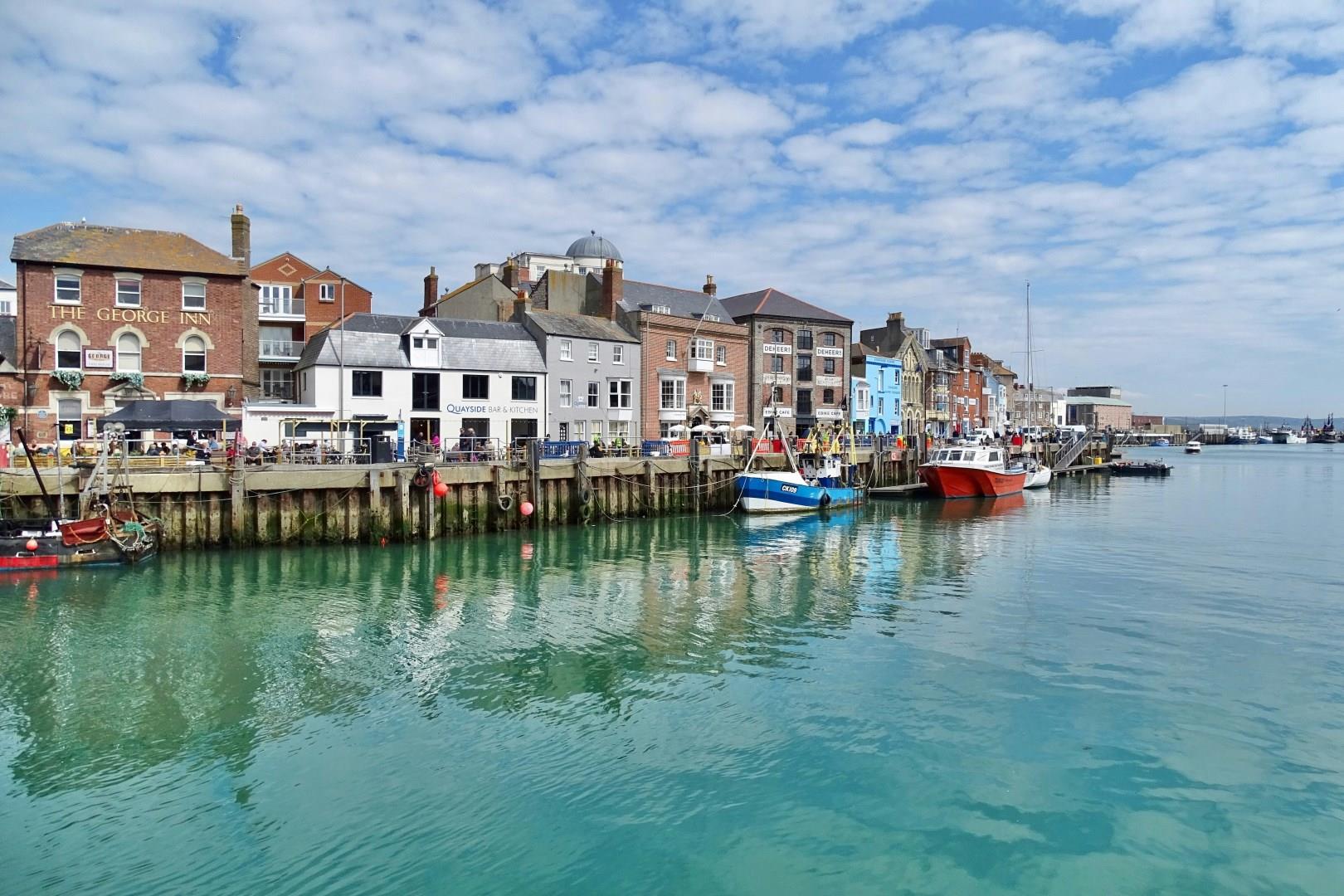
Weymouth
Weymouth is a seaside town on England’s Jurassic Coast, where a long tradition of maritime life meets a relaxed, lived-in shoreline. Its broad sandy beach curves gently around the bay, sheltered by the Isle of Portland, making it one of the south coast’s most approachable places for swimming and coastal walks.
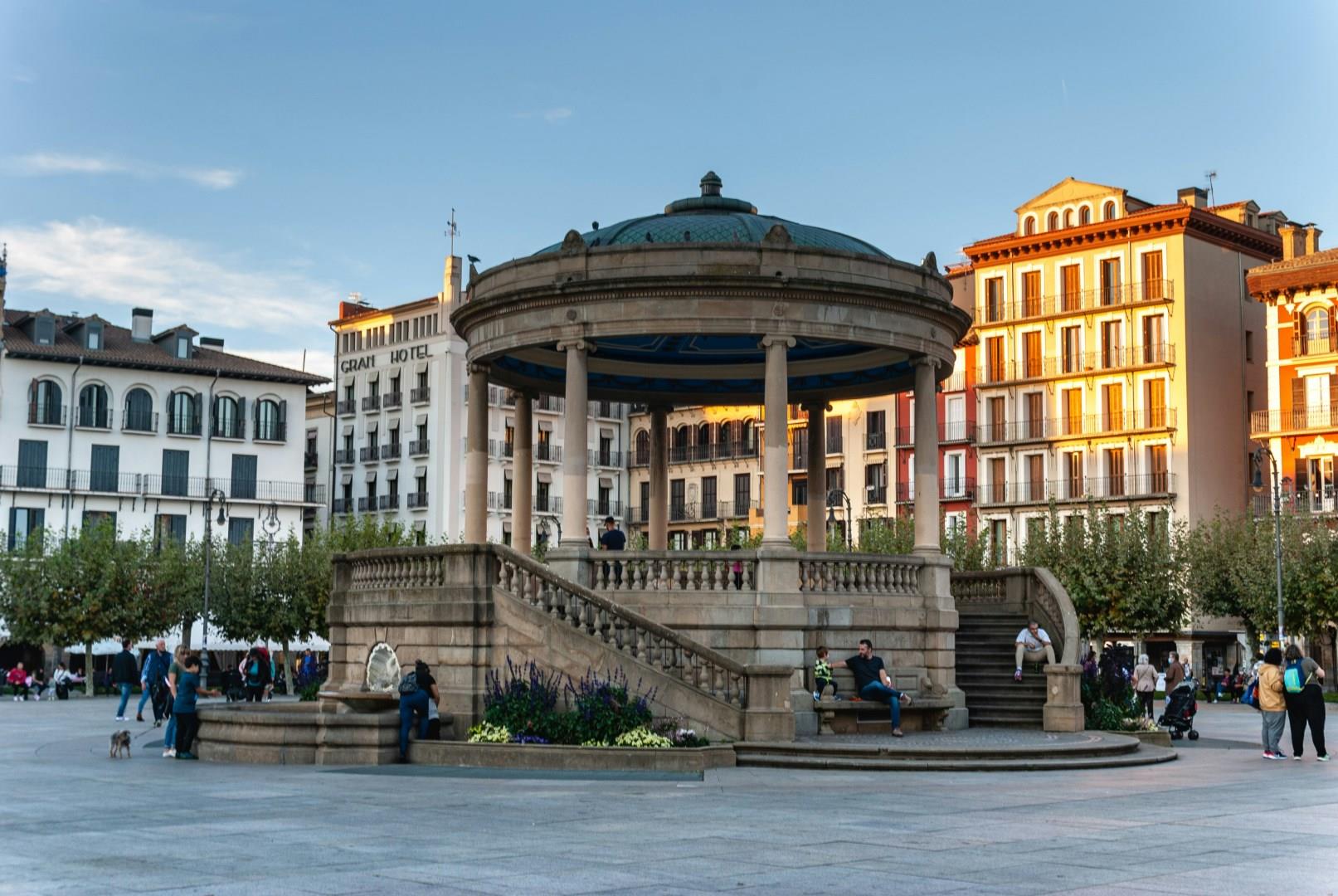
Pamplona
Pamplona, the capital of Spain’s Navarre region, is best known worldwide for the Running of the Bulls during the San Fermín festival each July. But beyond the brief rush of that event lies a city steeped in medieval history, Basque influence, and a slower pace that surprises many visitors. One of the most significant aspects of Pamplona is its place on the Camino de Santiago, the ancient pilgrimage route to Santiago de Compostela.

Halong Bay
Halong Bay, located in northeastern Vietnam, is a stunning UNESCO World Heritage site known for its emerald waters and towering limestone islands. This natural wonder offers a variety of activities for visitors, including cruising, kayaking, snorkeling, and exploring extraordinary caves like the Sung Sot.
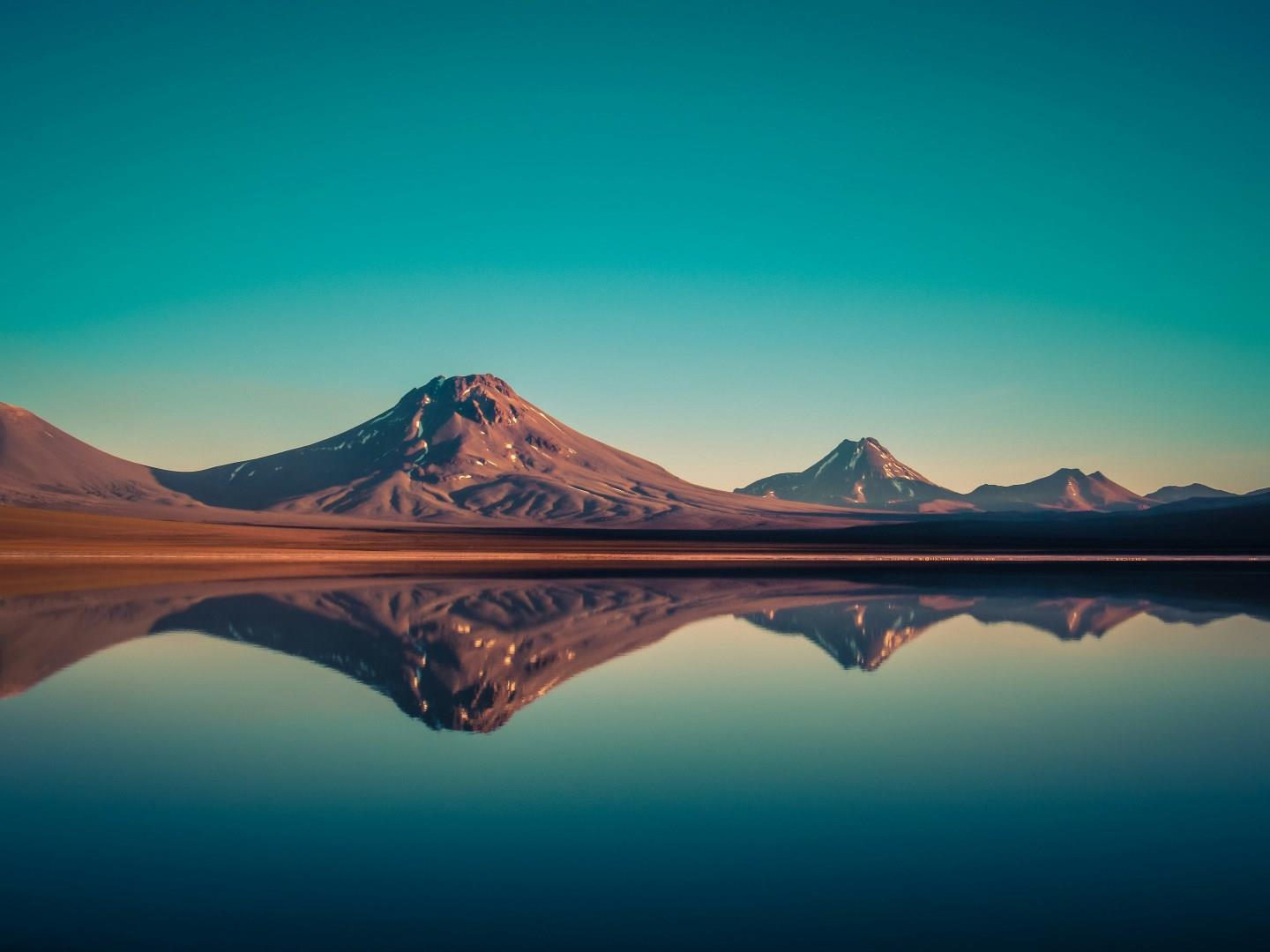
San Pedro De Atacama
San Pedro de Atacama, a small town in northern Chile, sits at over 2,400 meters above sea level in one of the most geologically diverse areas on Earth. Surrounded by volcanoes, salt flats, geysers, and ancient lava flows, it has long served as a gateway to the Atacama Desert. This desert is the driest non-polar place in the world, where some weather stations have never recorded rainfall.
