

Dominica
Dominica, known as the “Nature Island of the Caribbean,” is a haven for eco-tourists and adventure seekers. Nestled between the French islands of Guadeloupe and Martinique, this lush island boasts a remarkable landscape of volcanic mountains, dense rainforests, and stunning waterfalls. Dominica’s most iconic natural wonder is the Boiling Lake, the second-largest hot spring in the world.
Bryce Canyon
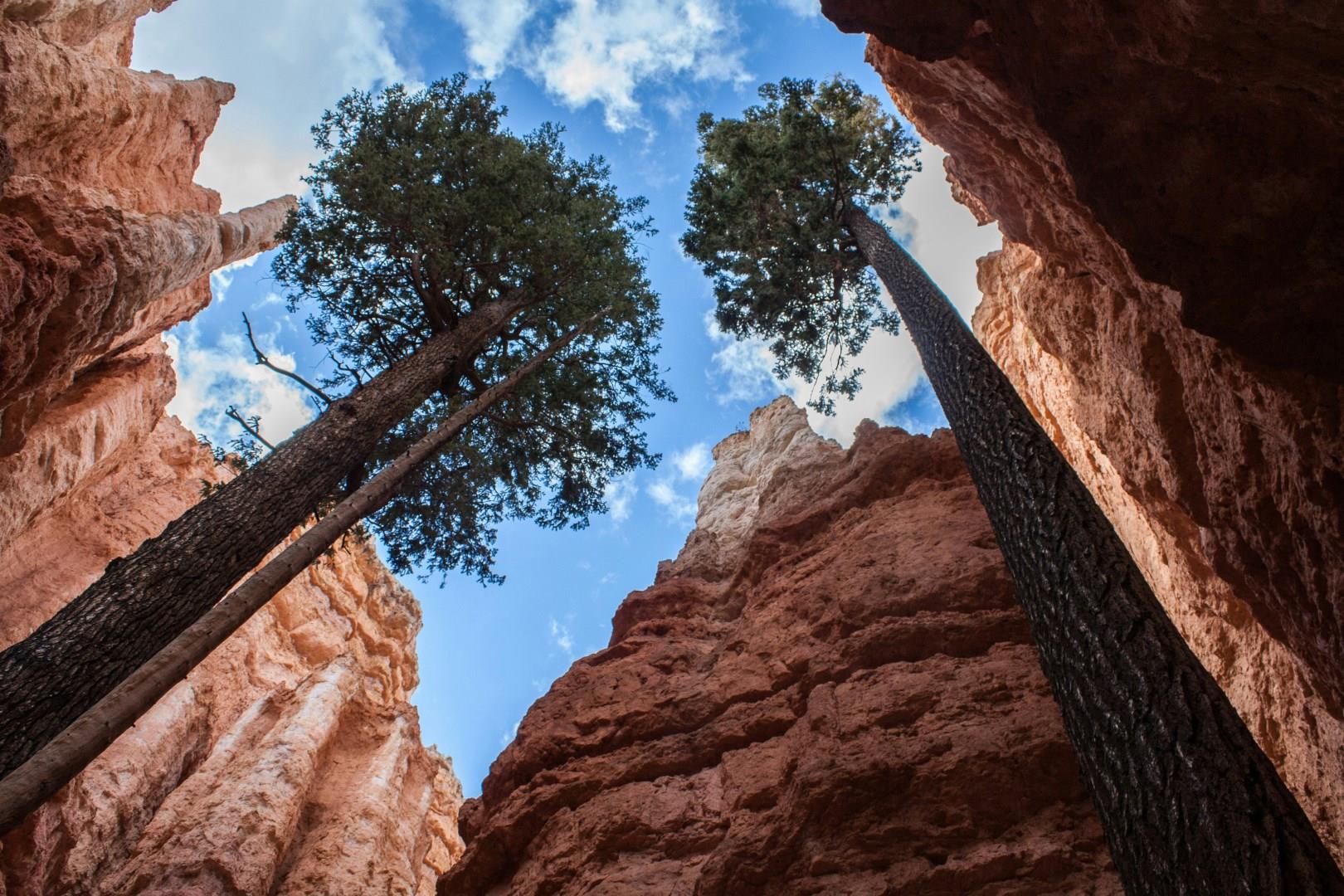
Bryce Canyon, tucked into the high plateaus of southern Utah, offers one of the most unusual landscapes in the American Southwest. It’s not actually a canyon but a series of natural amphitheaters carved into the edge of the Paunsaugunt Plateau. What makes Bryce unique is its dense collection of hoodoos which are tall, thin spires of rock formed over millions of years by frost-wedging and erosion.
Esztergom
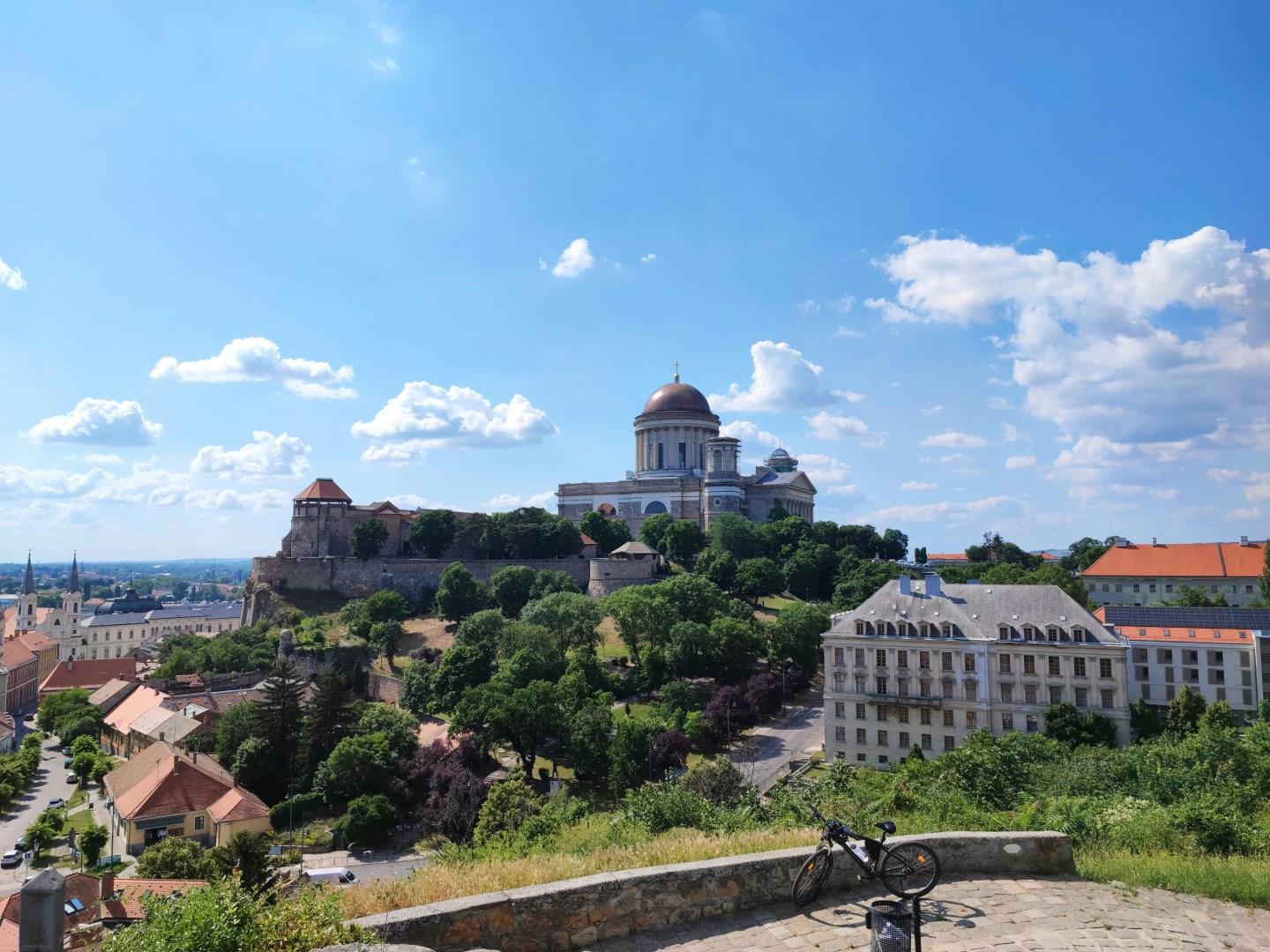
Esztergom is one of Hungary’s oldest and most historically significant towns, located along the Danube River just an hour north of Budapest. It was the country’s royal capital during the Middle Ages and the birthplace of its first king, Saint Stephen. Today, visitors are drawn to the Esztergom Basilica, the largest church in Hungary. Its dome rises over 70 meters high and offers panoramic views of the river, the surrounding hills, and neighboring Slovakia across the Mária Valéria Bridge.

Antananarivo
Antananarivo, Madagascar’s vibrant capital, offers a unique blend of cultural richness and historical depth. Perched on a series of hills, the city’s layout is characterized by its steep streets and traditional architecture. The Royal Palace, or Rova of Antananarivo, is a central landmark, offering a glimpse into Madagascar's royal past. Although much of the palace was destroyed by fire in 1995, the site remains a significant cultural and historical monument.

Rabat
Rabat, the capital of the kingdom of Morocco, is located on the edge of the Atlantic Ocean on the left bank of the Bou Regreg Estuary. A city of trees and flowers, Rabat combines peace, beauty and Serenity, and is steeped in history.
