

Hiroshima
Hiroshima, a city on Japan’s Honshu Island, is a place where history and resilience intertwine to create a destination that is both deeply moving and inspiring. Beyond its historical significance, Hiroshima offers visitors a vibrant cultural scene.

Dominica
Dominica, known as the “Nature Island of the Caribbean,” is a haven for eco-tourists and adventure seekers. Nestled between the French islands of Guadeloupe and Martinique, this lush island boasts a remarkable landscape of volcanic mountains, dense rainforests, and stunning waterfalls. Dominica’s most iconic natural wonder is the Boiling Lake, the second-largest hot spring in the world.

Scotland
Scotland, a land of rugged landscapes, ancient castles, and vibrant culture, offers travelers an unforgettable experience steeped in history. From the rolling hills of the Scottish Borders to the dramatic Highlands and islands, the country’s diverse scenery is a paradise.

Faroe Islands
The Faroe Islands, a hidden gem in the North Atlantic, offers visitors a breathtaking blend of dramatic cliffs, quaint villages, and untouched landscapes. This autonomous territory of Denmark, located between Iceland and Norway, is a dream for nature lovers and adventurers alike. The islands boast rugged coastlines, with towering cliffs like those at Vestmanna, where you can take boat tours to witness seabirds nesting on the rock faces.
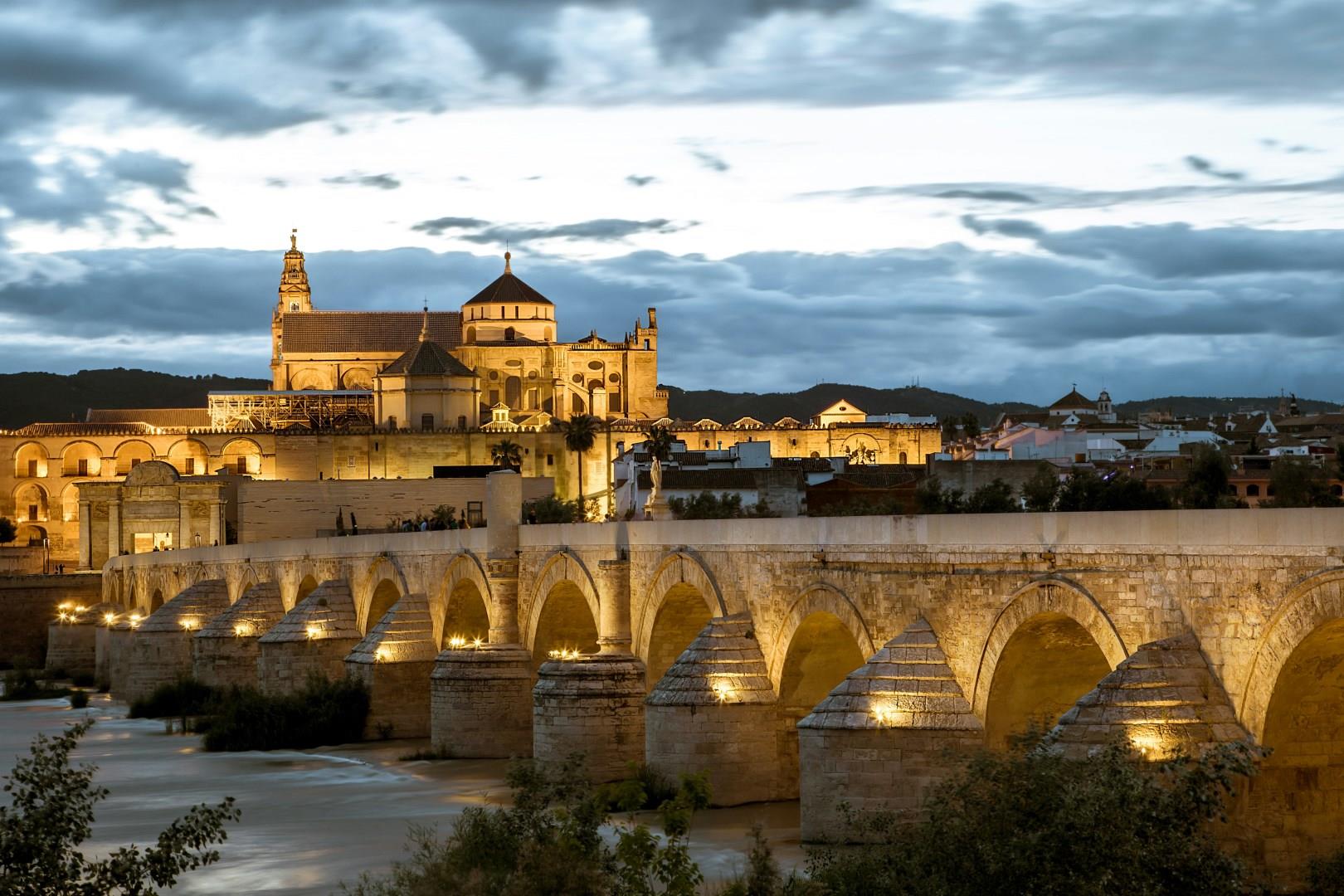
Córdoba
Córdoba, located in the heart of Andalusia, was once the most advanced city in Western Europe. During the 10th century, it served as the capital of Al-Andalus and was a center for learning, science, and art. Today, visitors walk the same streets that philosophers, poets, and physicians once crossed. The city’s most famous landmark, the Mezquita-Catedral, reflects its layered past. The red and white horseshoe arches inside are one of the most photographed interiors in Spain.
