
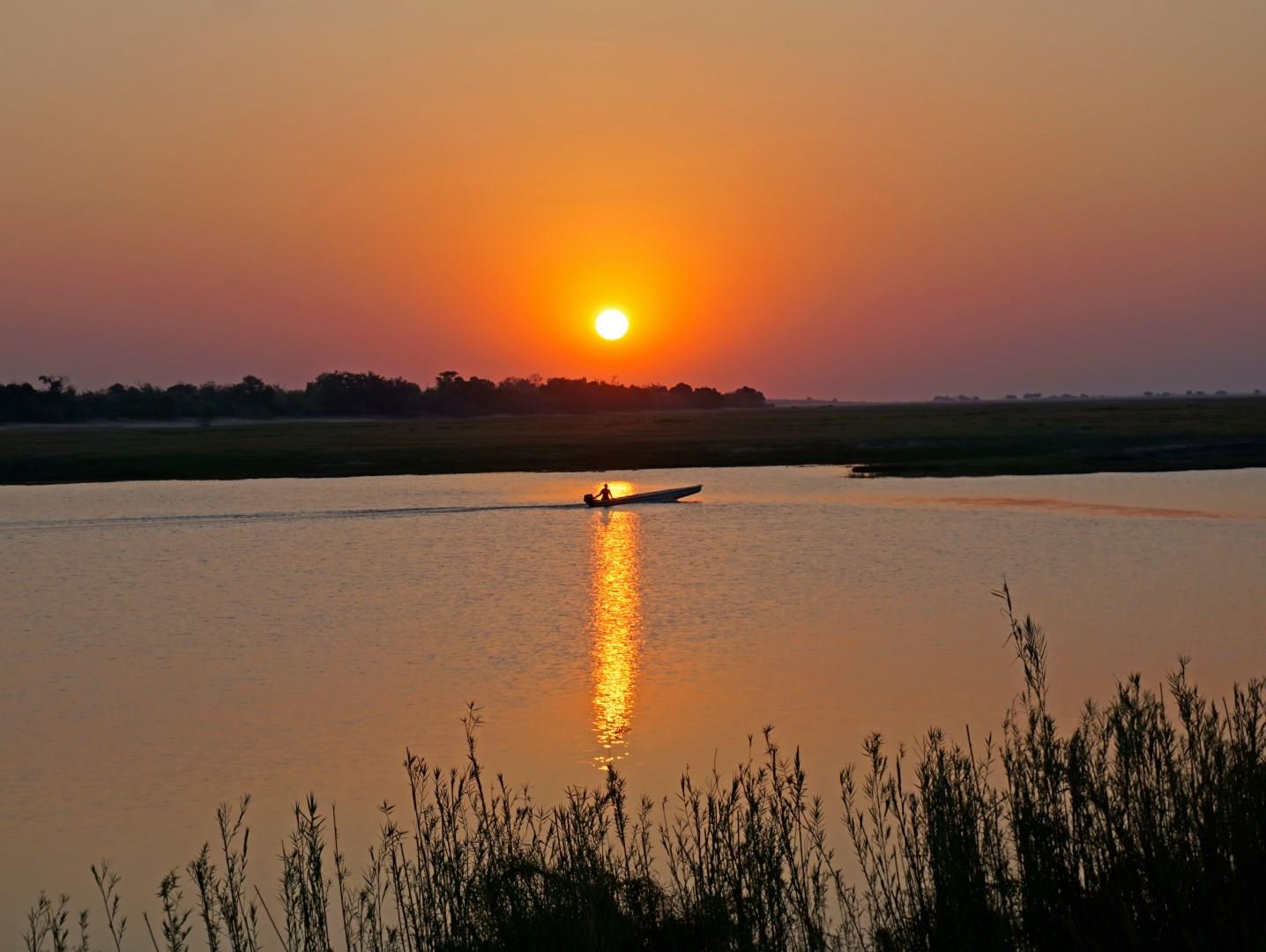
Chobe River
The Chobe River forms the northern boundary of the Chobe National Park. Animal lovers and safari enthusiasts know it as the place where the elephants congregate during winter's dry season and migrant birds are in full color during the wet summer months. The river itself is actually a section of the Cuando River, known as the Chobe from the seasonal lake Liambesi to its outflow at the Zambezi River.

Norway
Norway offers a landscape shaped by glaciers, framed by fjords, and steeped in Viking history. The country's coastline stretches for over 100,000 kilometers if you count every inlet and island, which makes it one of the longest in the world. Travelers can take a ferry through the Geirangerfjord or cruise along the Lofoten Islands, where steep mountain peaks rise dramatically from the sea. These routes aren’t just scenic; they’ve been lifelines for coastal communities for centuries.
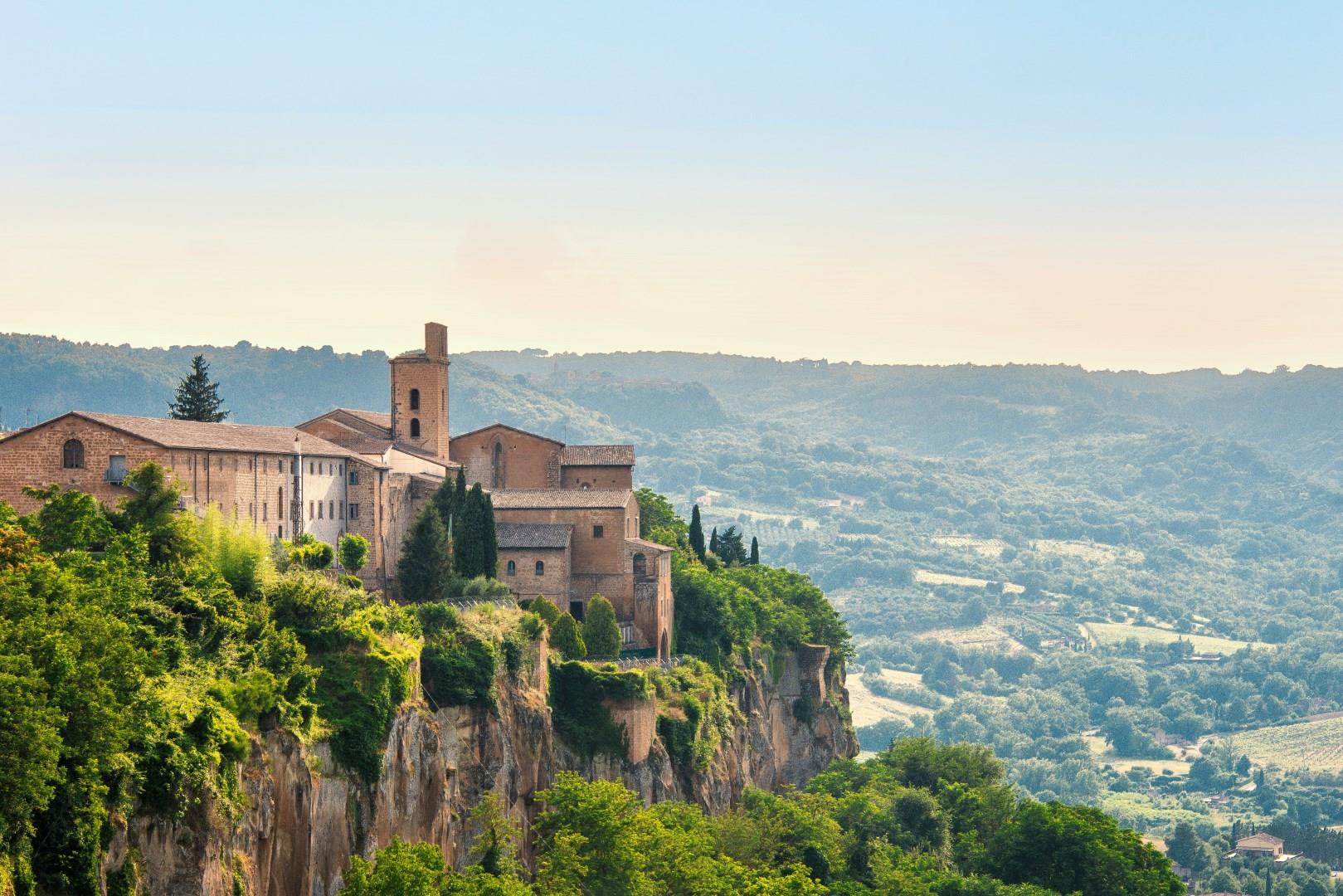
Orvieto
Orvieto, perched atop a volcanic tuff cliff in Umbria, Italy, is a town that effortlessly combines history, art, and striking landscapes. Its dramatic position overlooking the surrounding countryside immediately captures attention.

Puerto Madryn
Puerto Madryn is a seaside city on the eastern coast of Argentina. Facing Golfo Nuevo and the South Atlantic Ocean, this coastal destination is popular for its beaches, marine life, nature preserves, and Patagonian museums.

Niagara Falls
Niagara Falls, Canada, is a destination that captures the imagination with its breathtaking natural beauty and vibrant atmosphere. Straddling the border between Canada and the United States, Niagara Falls is a world-renowned wonder that consists of three powerful waterfalls: the Horseshoe Falls, the American Falls, and the Bridal Veil Falls. The Canadian side is famous for offering the most spectacular views of these cascading waters.
