
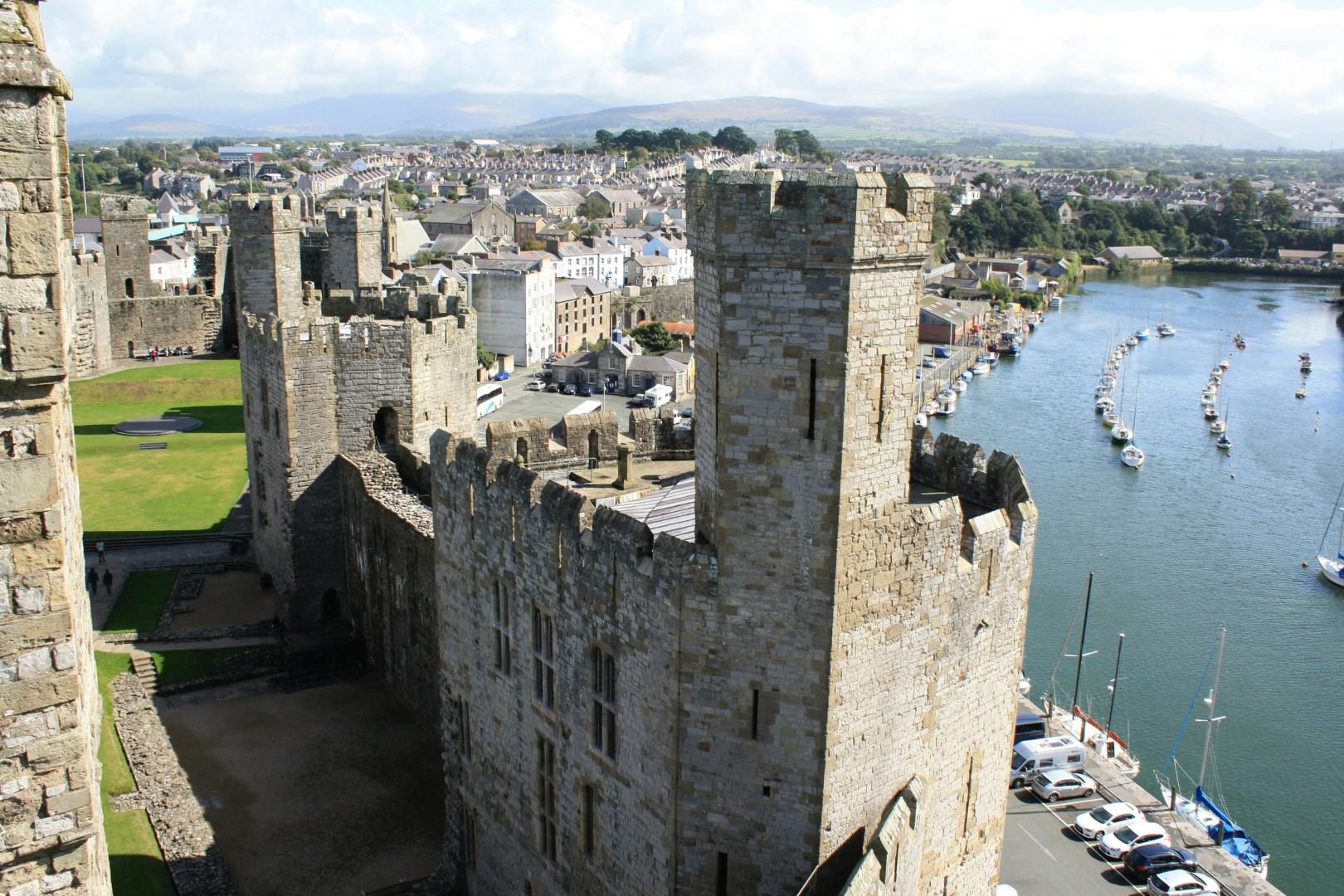
Caernarfon
Caernarfon, a town in northwest Wales, is famed for its medieval heritage, most notably Caernarfon Castle, a UNESCO World Heritage Site built by Edward I in the late 13th century.
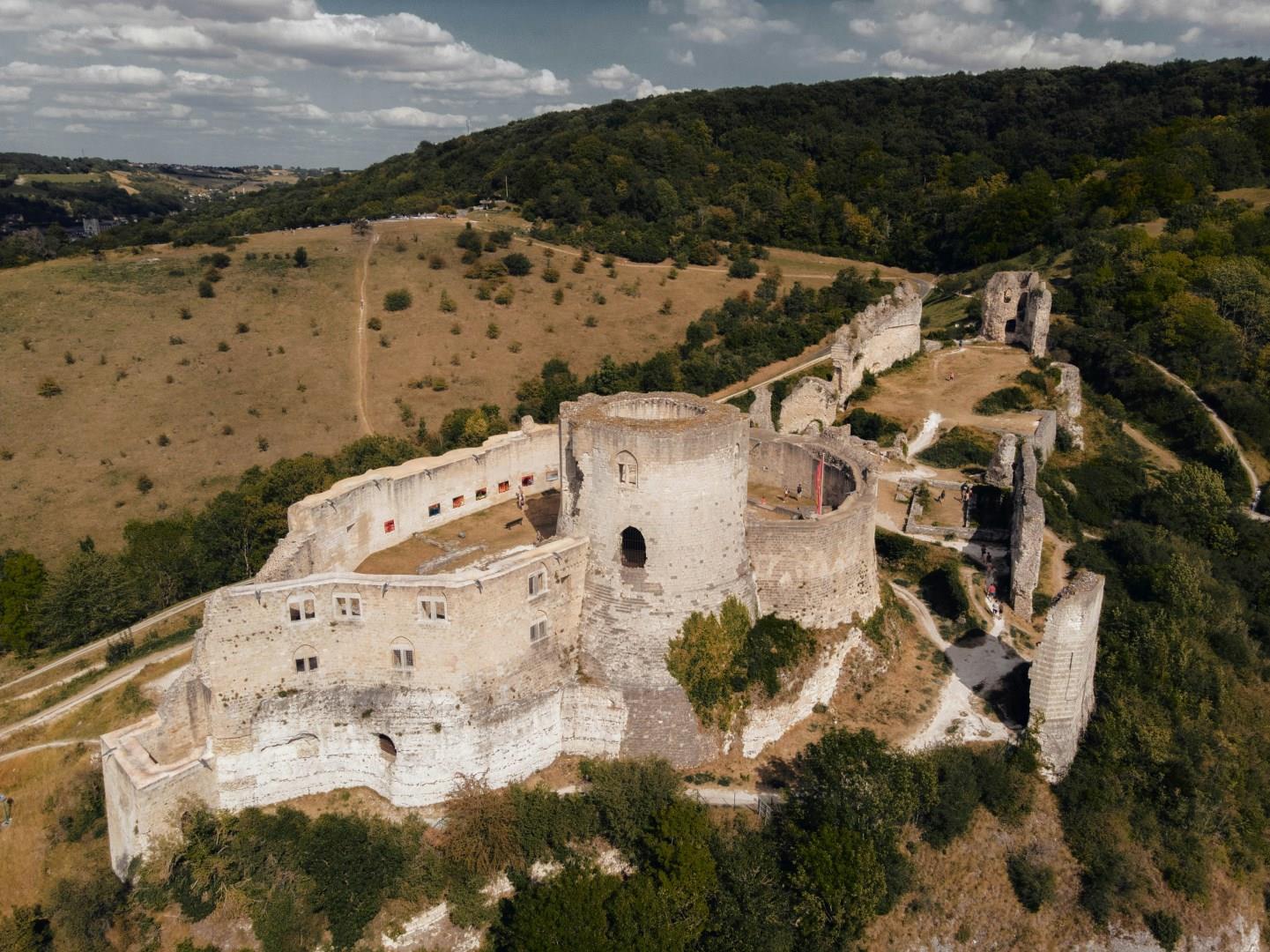
Les Andelys
Les Andelys, a picturesque town on the banks of the Seine in Normandy, France, is best known for its dramatic setting beneath the ruins of Château Gaillard. This medieval fortress, built in the 12th century by Richard the Lionheart, stands high on a chalk cliff overlooking the river, a reminder of the region’s turbulent past during the wars between England and France.

Japan
Japan is a country where deep-rooted traditions exist alongside cutting-edge innovation. From serene temples and centuries-old castles to neon-lit cities and futuristic technology, it offers travelers an extraordinary variety of experiences

Lincoln
Lincoln, Nebraska, blends college-town spirit with prairie roots, offering a travel experience that’s both laid-back and surprising. As the state capital, Lincoln is home to the stunning Nebraska State Capitol building, an architectural landmark with a 400-foot tower topped by a bronze sower casting seeds over the land. Visitors can tour the building and ride to the 14th floor observation deck for sweeping views of the city and surrounding plains.

Zagreb
Zagreb, the vibrant capital of Croatia, is a city where history, culture, and a youthful spirit collide in an unforgettable way. Wander through the cobblestone streets of the Upper Town (Gornji Grad) and marvel at its medieval architecture, such as the iconic St. Mark's Church, known for its colorful tiled roof depicting the coat of arms of Zagreb and the Kingdom of Croatia.
