
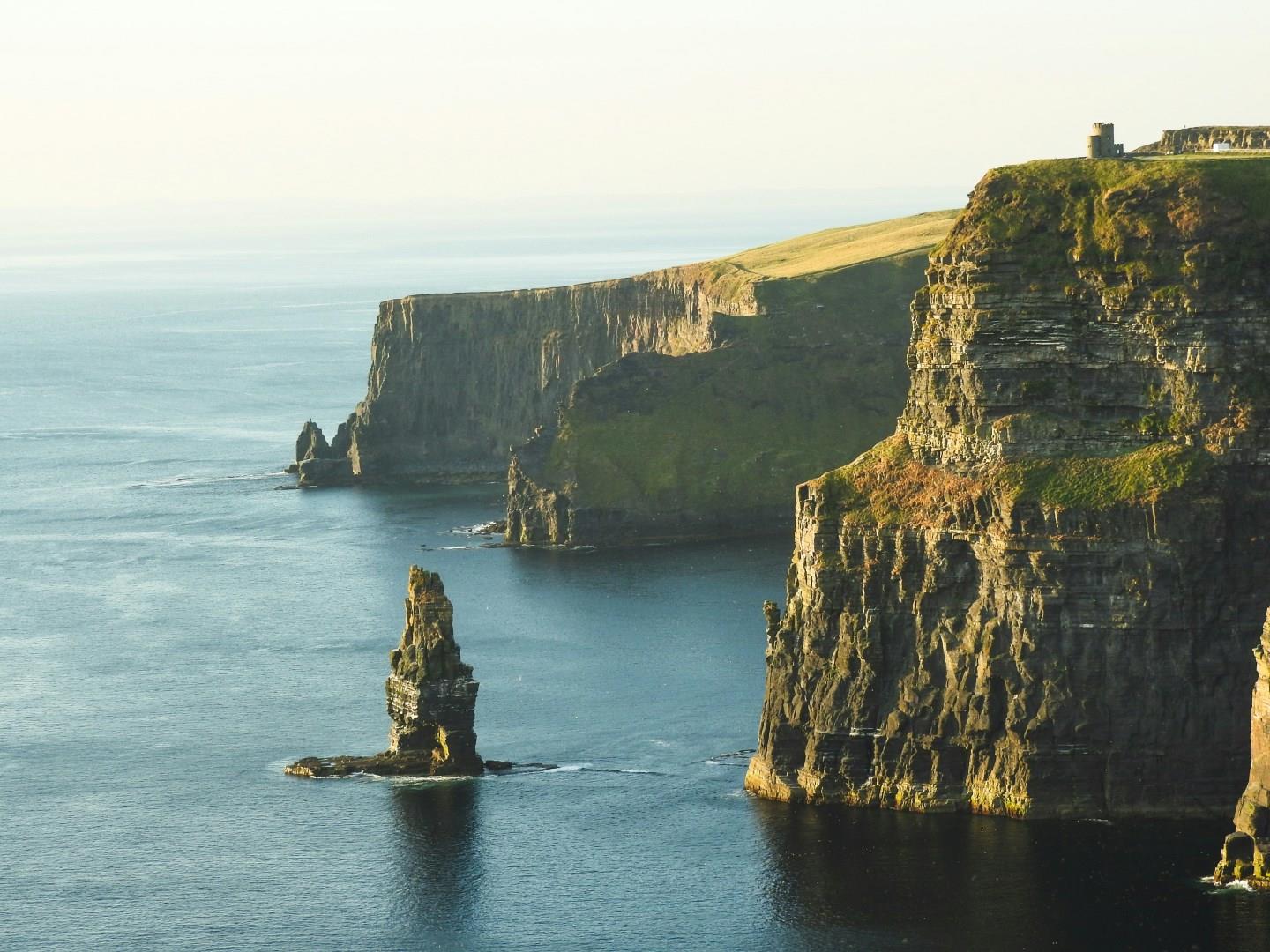
Cliffs of Moher
The Cliffs of Moher rise dramatically from the Atlantic Ocean, stretching for about 8 kilometers along Ireland’s western coast in County Clare. At their highest point near O'Brien's Tower, the cliffs reach 214 meters, offering uninterrupted views of the Aran Islands, Galway Bay, and the craggy peaks of Connemara on a clear day. These ancient sea cliffs have stood for over 300 million years and remain one of the most visited and photographed sites in Ireland.
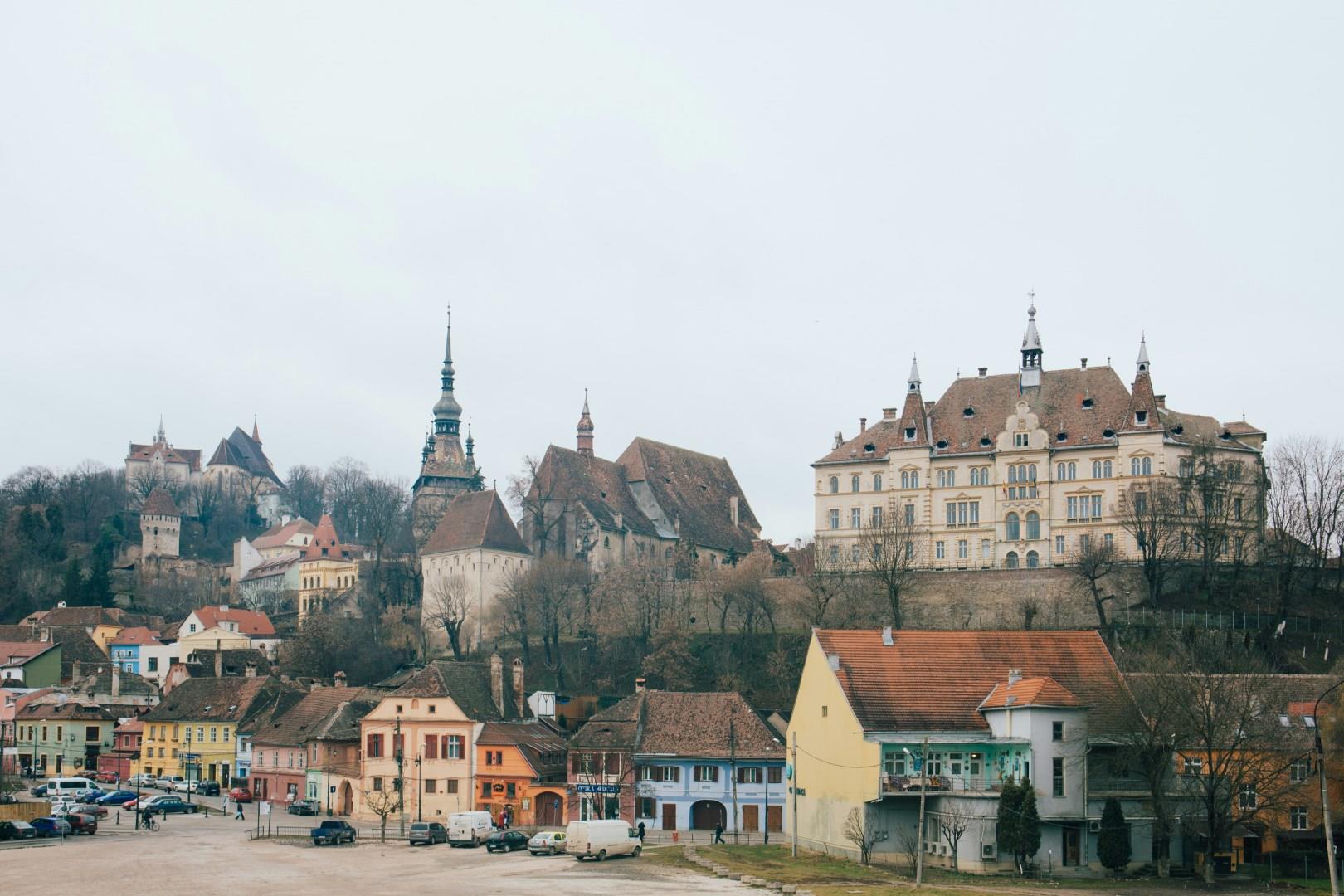
Sighisoara
Sighisoara rises above the Târnava Mare River as one of the few medieval citadels in Europe that is still lived in and admired today. Its historic center has been on the UNESCO World Heritage List since 1999, recognized for its long history as a fortified Saxon settlement and its role in trade and defense on the edges of central Europe. Wander through cobbled alleys framed by pastel-colored houses, and the layers of time feel close at hand, from the city walls and guild towers to busy cafés.

Vik
Perched on the southern coast of Iceland, the quaint village of Vík í Mýrdal, or simply Vík, is a destination that defies expectations with its dramatic landscapes and unique charm. Known as Iceland’s southernmost village, Vík is famed for its striking black sand beach, Reynisfjara, consistently ranked among the most beautiful non-tropical beaches in the world.

Cape Town
Cape Town, located at the southern tip of South Africa, is one of the world’s most striking coastal cities. Towering over it is Table Mountain, a flat-topped landmark that can be reached by cable car or on foot, offering sweeping views of the city, ocean, and beyond.
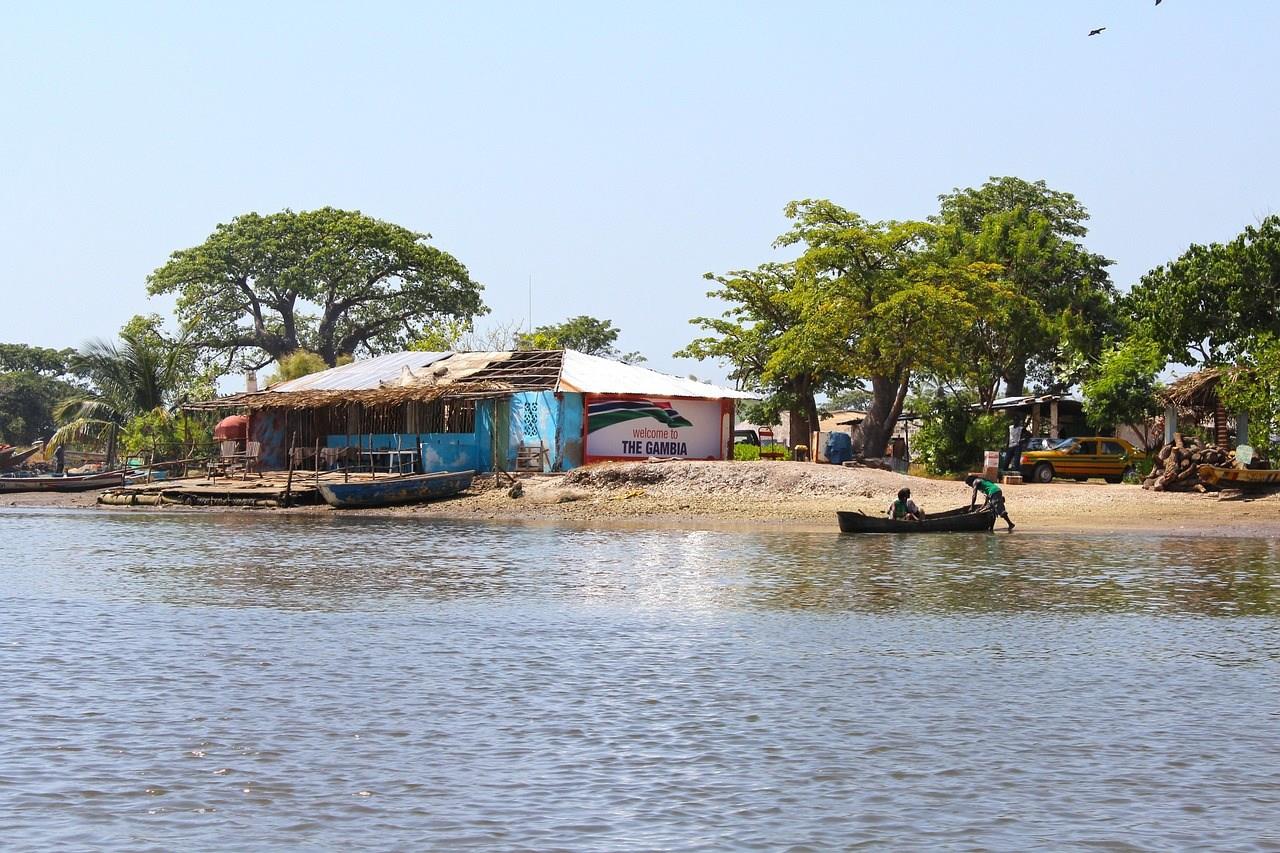
The Gambia
The Gambia is a small West African country known for its rich culture, scenic river landscapes, and warm, welcoming communities. The country is centered around the Gambia River, which flows through the nation and supports agriculture, fishing, and river-based tourism.
