
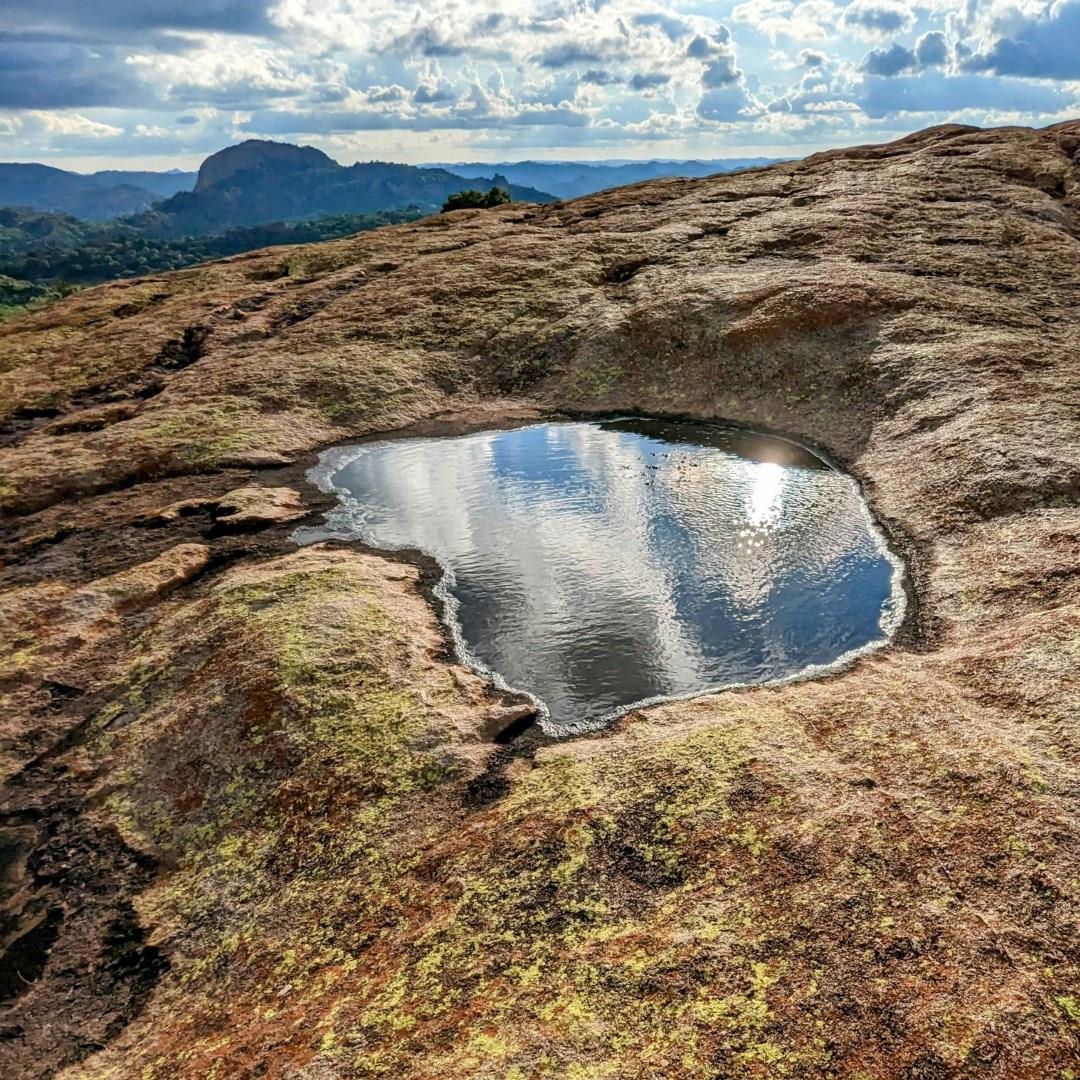
Matobo National Park
Matobo National Park sits in the rolling hills of southern Zimbabwe stands as one of the country’s most remarkable landscapes. Its granite domes, balancing rocks and wooded valleys have formed over more than two billion years, creating a setting that feels both ancient and alive. As a UNESCO World Heritage cultural site, the park preserves a landscape that has shaped human life here for millennia, drawing travelers to explore its unusual terrain and storied past.
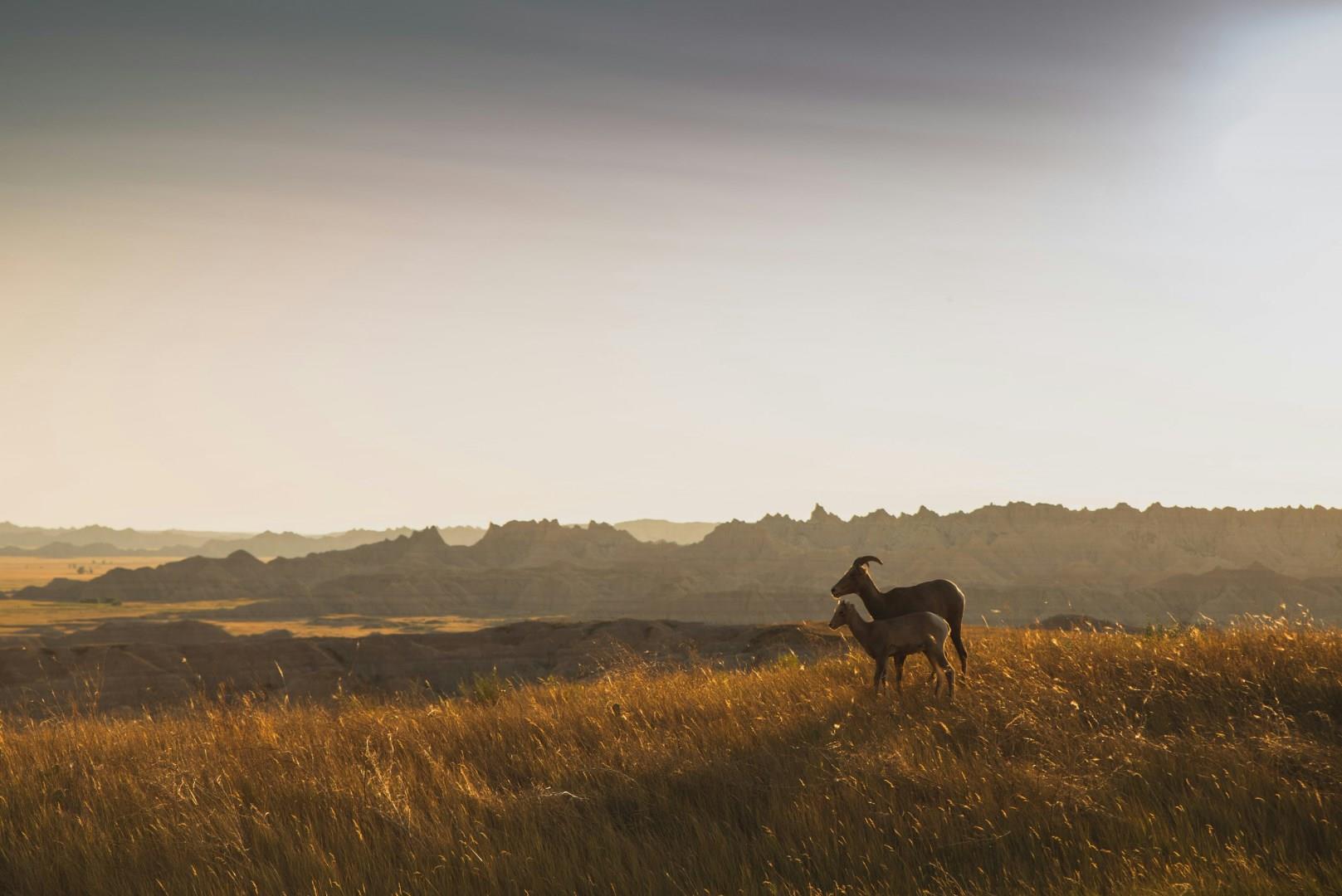
Badlands National Park
Badlands National Park stretches across southwestern South Dakota, where layered rock formations and sharply eroded spires reveal nearly 75 million years of geological history.
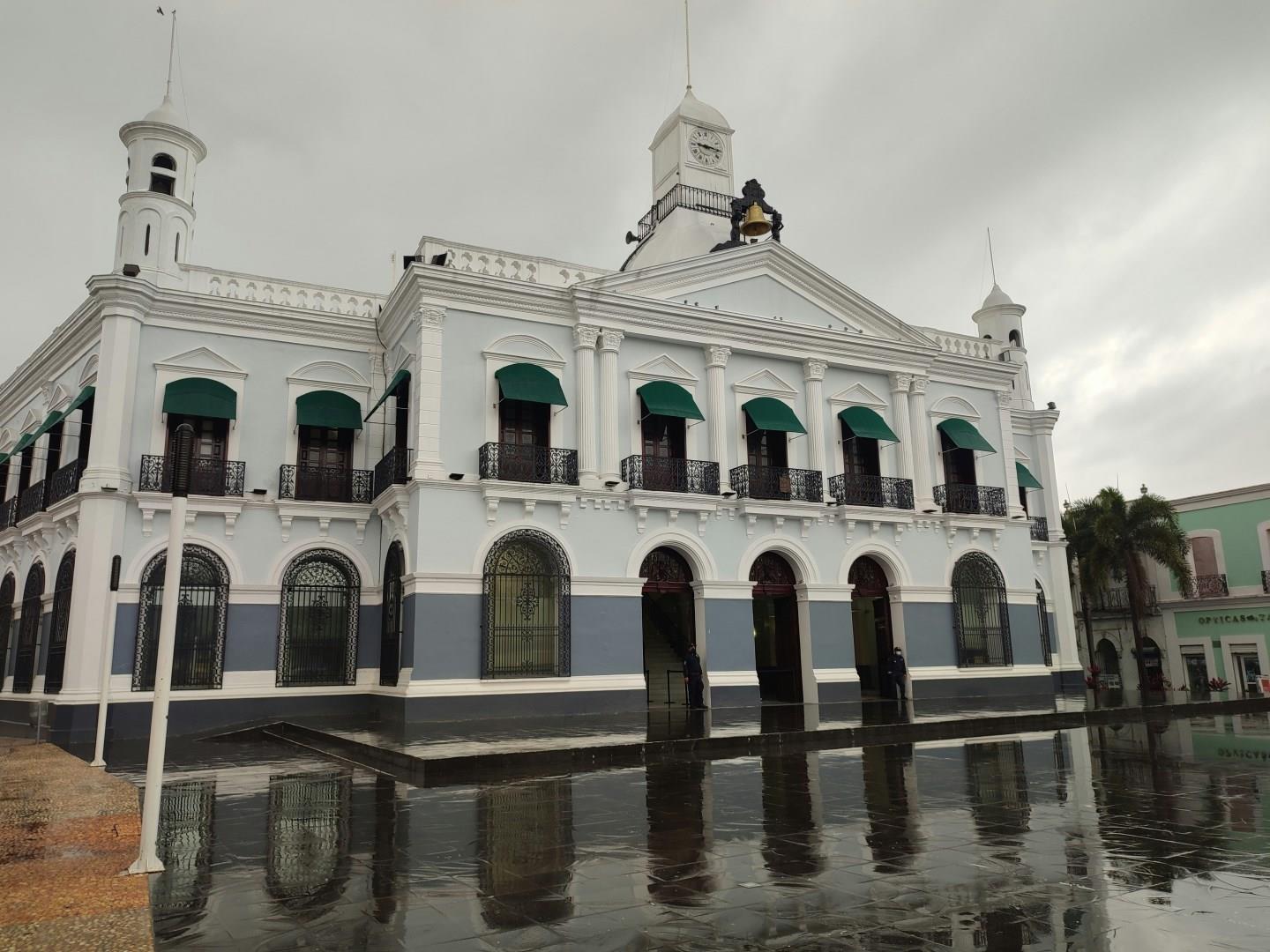
Villahermosa
Villahermosa, the capital of Tabasco, is a city where ancient civilizations, tropical landscapes, and modern life intersect. Known as the “gateway to the Mayan world,” the city sits on the banks of the Grijalva River and serves as a cultural hub for southeastern Mexico. One of its most unique attractions is Parque-Museo La Venta, an open-air museum that blends archaeology with a jungle setting.
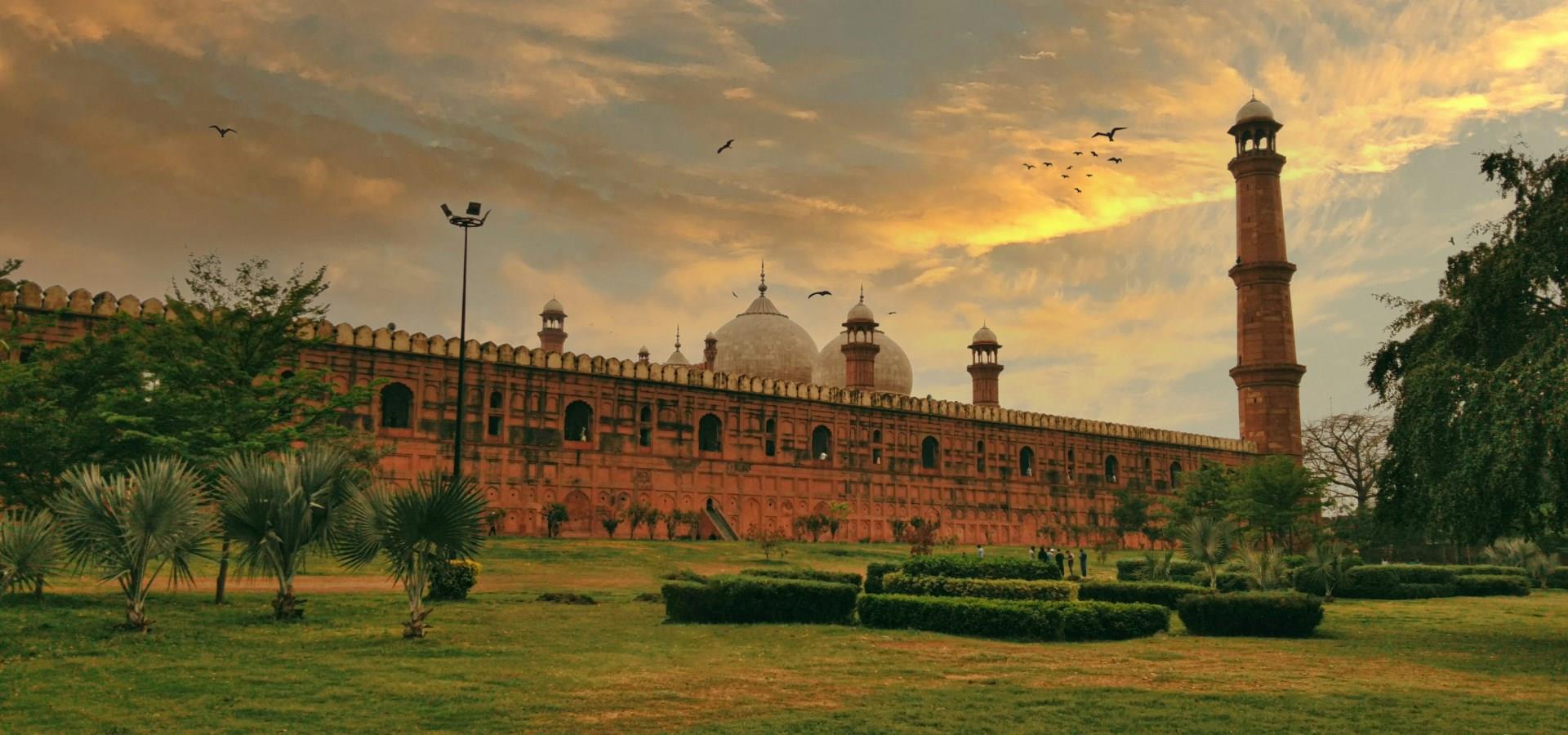
Lahore
Lahore, the cultural heart of Pakistan, is a city where history, art, and culinary traditions come alive. Known for its vibrant streets and historic architecture, Lahore showcases iconic landmarks such as the Badshahi Mosque, Lahore Fort, and Shalimar Gardens, which reflect the grandeur of the Mughal era.

Uluru
Located in Australia's Northern Territory, Uluru is an iconic sandstone formation and UNESCO World Heritage site. This red rock monolith, believed to be over 500 million years old, has been considered sacred by Australia's indigenous peoples for thousands of years and is one of the country's most well-known natural landmarks. This spiritual destination will astound you at sunrise and sunset, when the warm sunlight turns Uluru to deep hues of red and orange.
