
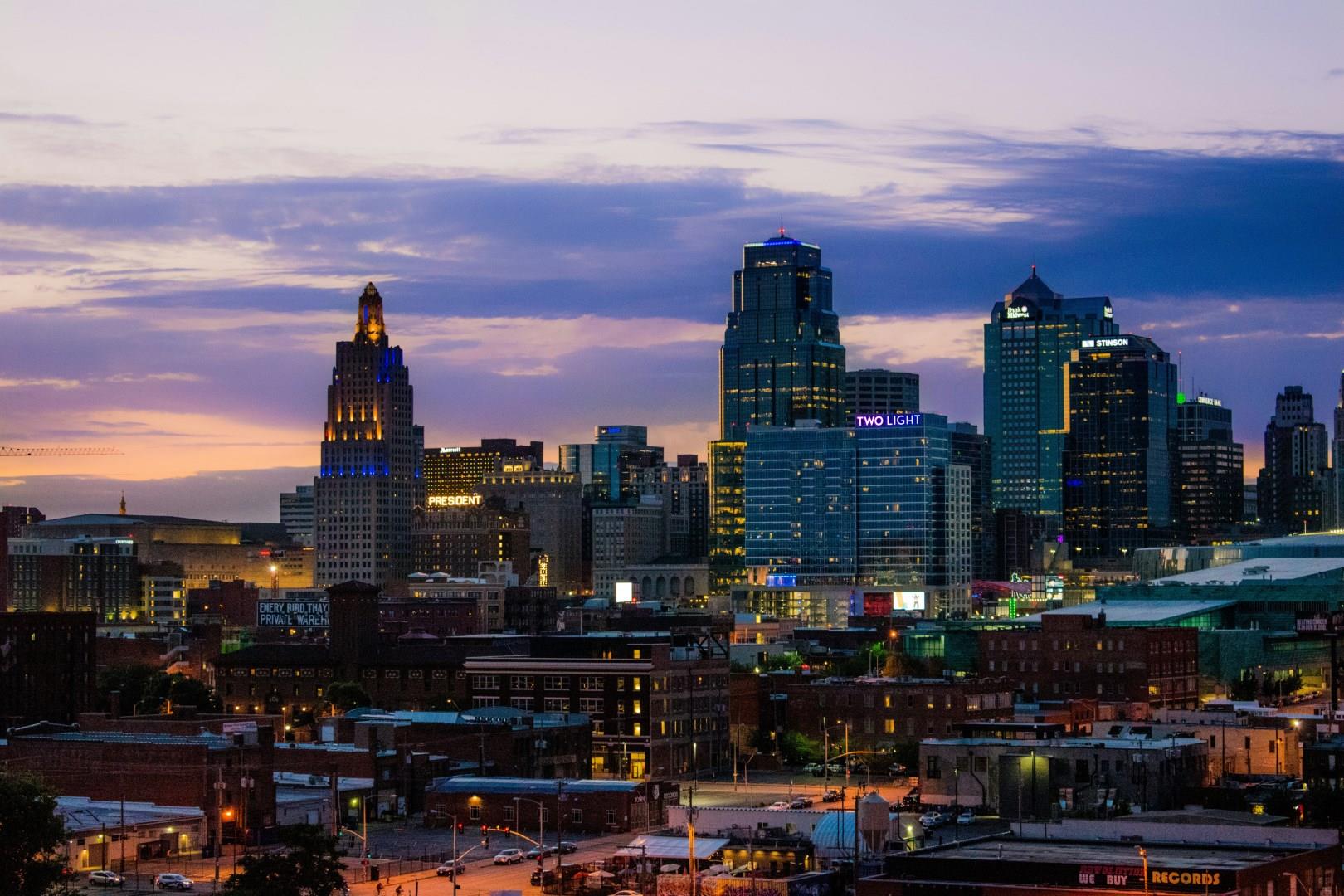
Kansas City
Kansas City, Kansas offers more than meets the eye. Located at the confluence of the Kansas and Missouri Rivers, this city blends its industrial roots with surprising pockets of creativity, flavor, and local pride. Food plays a big role in the city’s identity, and no trip is complete without sampling its barbecue. While its Missouri neighbor may get more attention, Kansas City holds its own with iconic joints like Slap’s BBQ, a local favorite known for brisket that draws lines out the door.
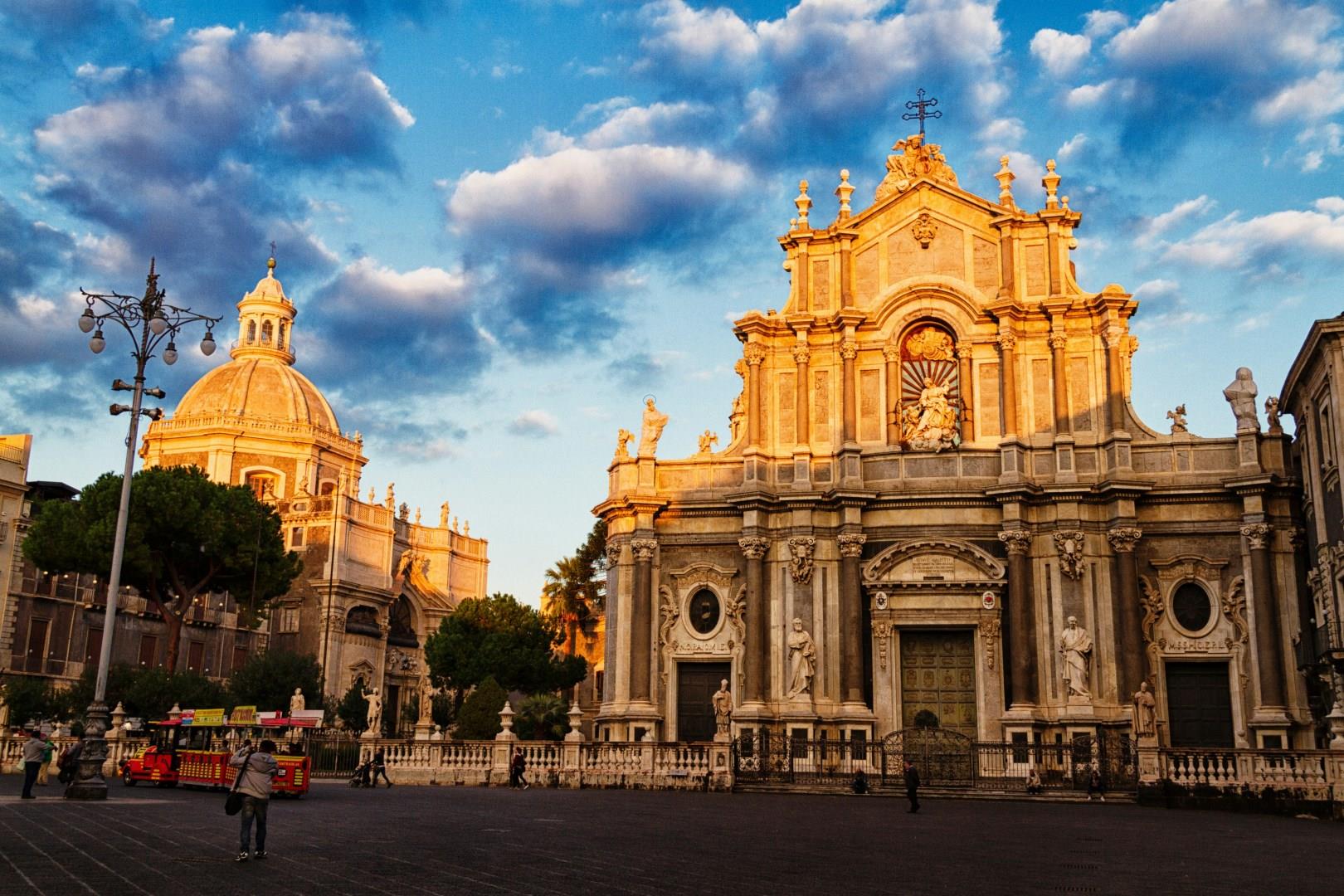
Catania
Catania, nestled on the eastern coast of Sicily, is a city shaped by fire and stone. Built from the black lava of Mount Etna, it’s a landscape filled with energy and contrasts from its Baroque palaces to its open air fish markets. At the heart of the city stands the Piazza del Duomo, where the iconic Fontana dell’Elefante, which is carved from volcanic rock, greets every visitor who passes by.

Arusha
Arusha, Tanzania is a destination for adventurers! Situated between Mount Kilimanjaro National Park and Serengeti National Park, Arusha is an ideal starting point for your next Tanzanian safari trip and is a gateway city for climbers interested in summiting Mount Kilimanjaro, Africa's highest peak.
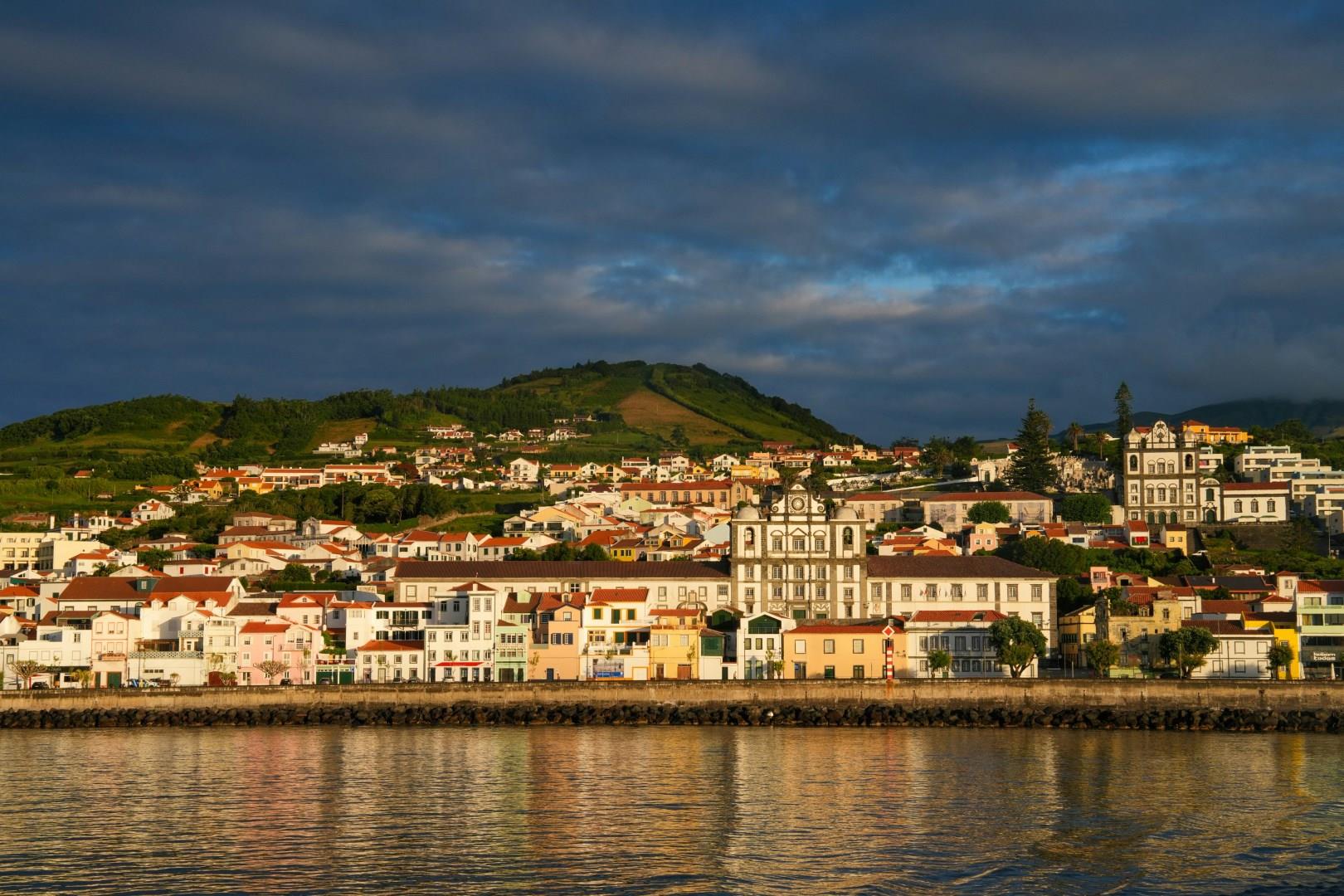
Horta Faial Island
Horta sits on the southeastern coast of Faial Island in the Azores, long defined by its position in the mid-Atlantic. For centuries it served as a critical stop for whaling ships, transatlantic sailors, and later yachts crossing between Europe and the Americas.

Middle East
The Middle East offers an extraordinary mix of history, culture, and natural beauty. Whether uncovering its ancient mysteries, indulging in its delicious cuisine, or experiencing its warm hospitality, travelers are sure to create lasting memories in this remarkable part of the world.
