

Jost van Dyke
One of the four islands that make up the British Virgin Islands, Jost van Dyke is a Caribbean paradise known for its white sand beaches, turquoise sea pools, and marinas filled with yachts.

Seine River
The Seine River, meandering gracefully through the heart of Paris, is a living testament to the city’s rich history and vibrant culture. From the picturesque quays to the iconic landmarks lining its banks, the Seine offers an enchanting journey through Parisian elegance.

Luang Prabang
Luang Prabang, the jewel of northern Laos, captivates travelers with its blend of serene spirituality, French colonial charm, and breathtaking natural beauty. This UNESCO World Heritage Site is nestled between the Mekong and Nam Khan rivers, creating a tranquil setting where time seems to slow down. Here, ancient temples with glistening spires, like Wat Xieng Thong, sit alongside quaint colonial-era villas, inviting visitors to explore the harmonious fusion of Lao and French cultures.

Lake Atitlán
Lake Atitlán, nestled in the Guatemalan Highlands, is a breathtaking destination that offers a unique blend of natural beauty, indigenous culture, and adventure. Formed in a massive volcanic crater, this lake is often touted as the most beautiful in the world, surrounded by dramatic cliffs, verdant hills, and three towering volcanoes: San Pedro, Tolimán, and Atitlán.
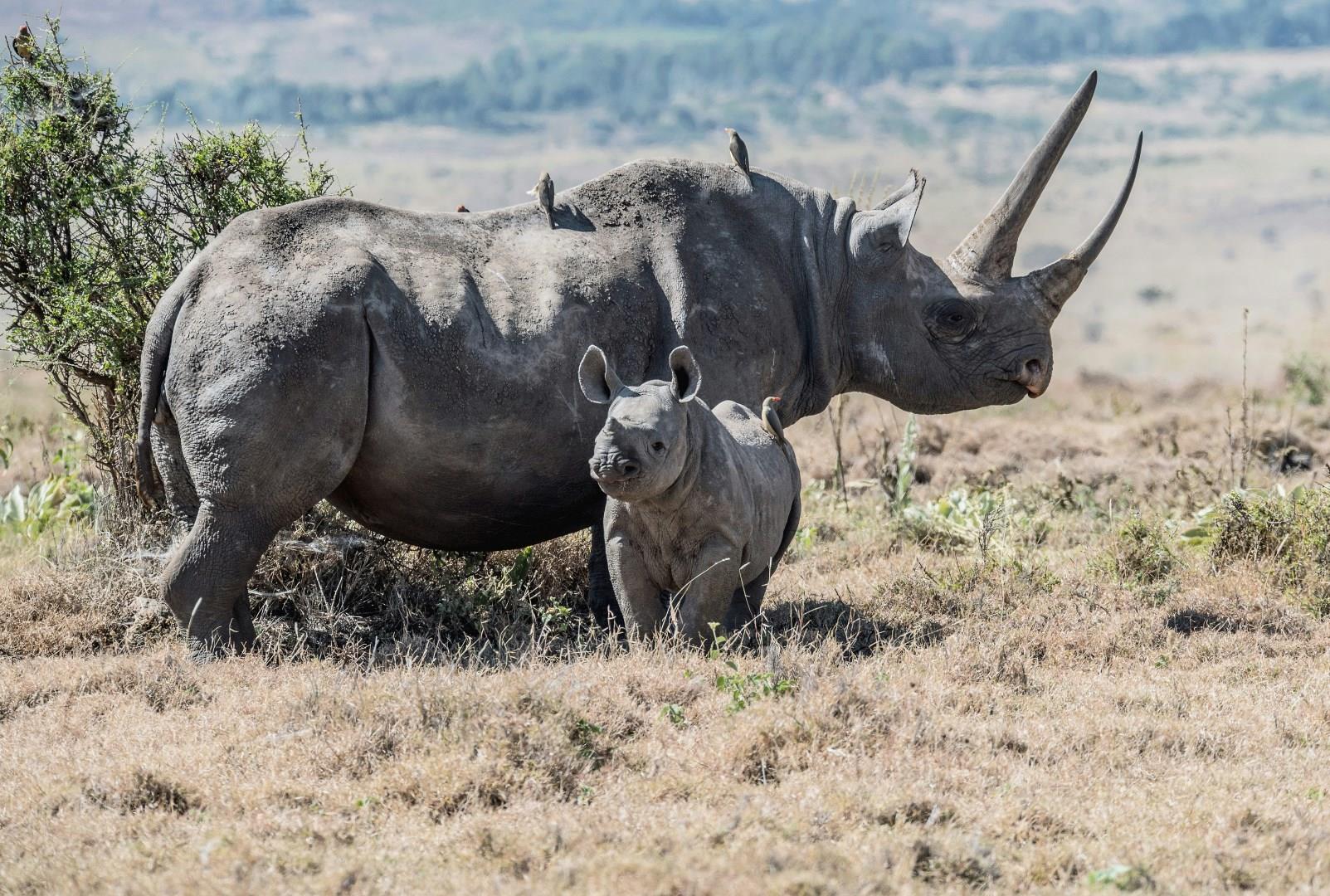
Lewa Wildlife Conservancy
Lewa Wildlife Conservancy lies in northern Kenya at the foothills of Mount Kenya, where open savannah, wooded hills, and seasonal rivers create a varied and striking landscape.
