
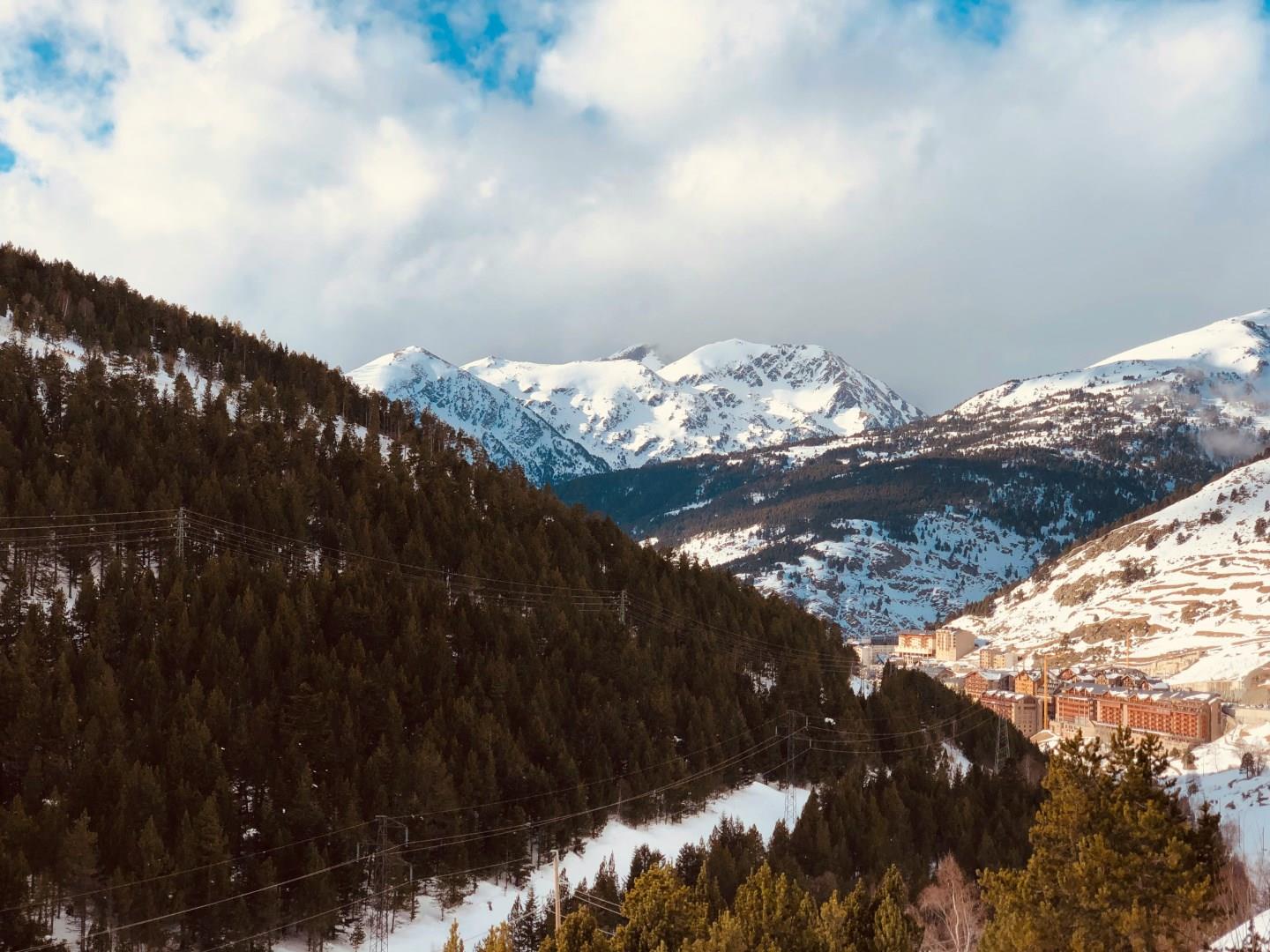
Soldeu
Nestled high in the Pyrenees, Soldeu is a mountain village in the principality of Andorra, best known for its access to Grandvalira, which is one of the largest ski areas in Southern Europe. At 1,800 meters above sea level, Soldeu has grown from a quiet farming village into a winter destination with over 200 kilometers of slopes. It hosted World Cup alpine ski races in 2019 and is scheduled to host the Finals again in 2029.

Naples
Situated between magnificent Mount Vesuvius and the glittering Tyrrhenian Sea, Naples is the perfect destination for history and archaeology aficionados and lovers of savory Italian eats. Marvel at the ruins of Pompeii and Herculaneum, explore the San Gennaro Catacombs, and end your day with authentic Neapolitan pizza.

Takoradi
Sekondi-Takoradi, often referred to as the Western Region's commercial hub, is a dynamic urban area brimming with both historical charm and modern vibrancy. The twin cities, Sekondi and Takoradi, offer a unique blend of traditional culture and contemporary development.

Portofino
Portofino, Italy, is a jewel on the Italian Riviera, famed for its colorful buildings, glamorous yachts, and charming harbor. This picturesque fishing village, with its pastel-colored houses that cascade down to the emerald-green waters, exudes a quaint yet luxurious atmosphere. The Piazzetta, the heart of Portofino, is a lively square where visitors can sip an espresso or enjoy fresh seafood while watching the elegant boats bobbing gently in the harbor.

Ollantaytambo
Most commonly reached via travel from Cusco, Ollantaytambo is an Incan archaeological site in the Sacred Valley of southern Peru. The town dates from the late 15th century and is home to some of the oldest continuously-occupied dwellings in South America.
