

Joshua Tree National Park
Joshua Tree National Park, located in Southern California, is a desert wonderland that draws visitors with its dramatic landscapes, unique flora, and surreal beauty. Named after the striking Joshua trees, which resemble natural sculptures with their twisting branches and spiked leaves, the park is a haven for nature lovers, photographers, and adventure seekers.

Longyearbyen
Longyearbyen, the northernmost settlement of its size in the world, offers a unique and captivating experience in the Arctic archipelago of Svalbard, Norway. Nestled between icy peaks and sprawling glaciers, this remote town is a gateway to exploring the rugged beauty of the Arctic landscape.
Santa Cruz Island
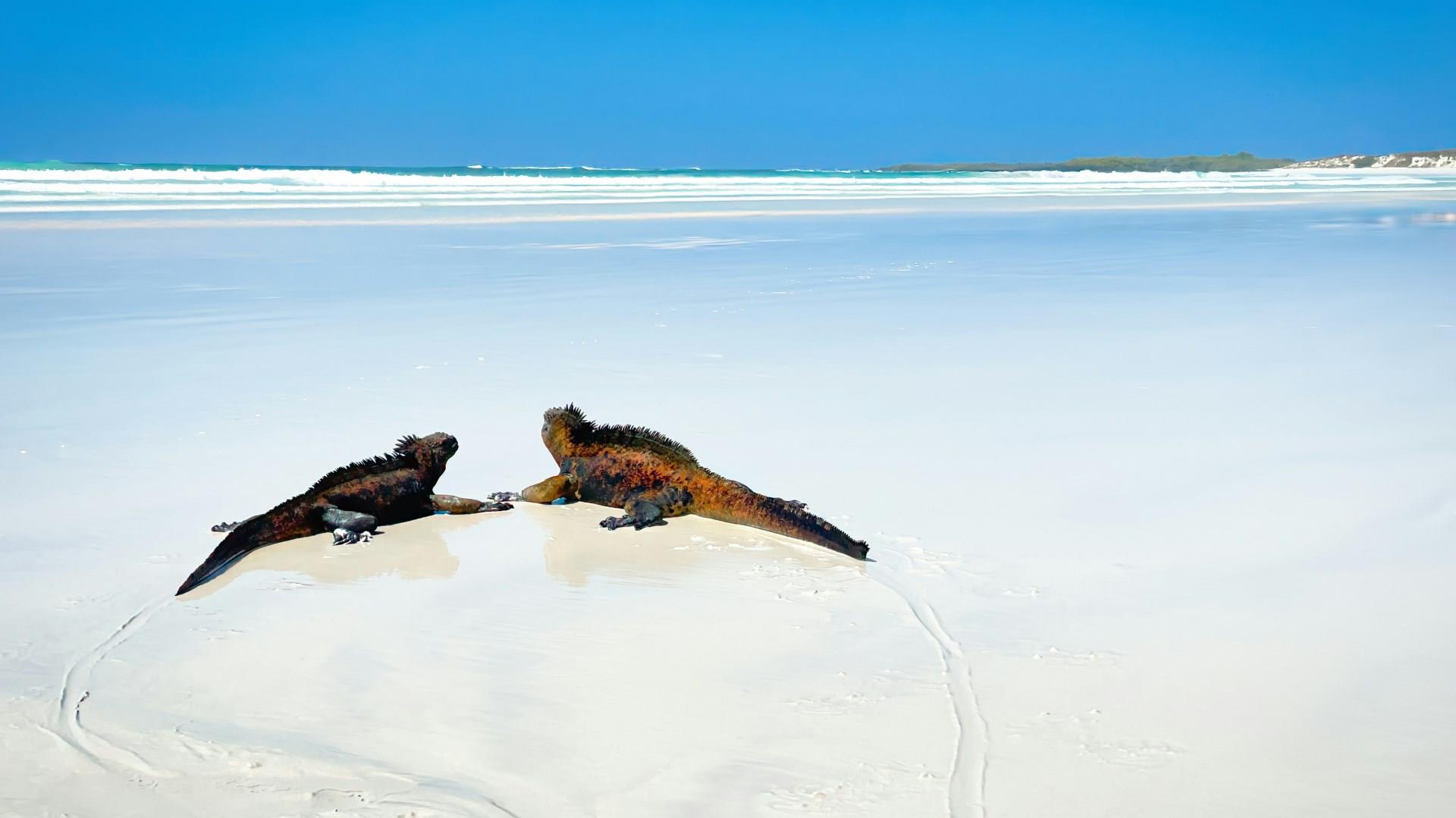
Santa Cruz Island is the beating heart of the Galápagos and is home to the largest town in the archipelago, Puerto Ayora, and a key access point for travelers exploring this unique region. But beyond its small port and shops, the island reveals a surprising range of ecosystems, from black lava shores to lush highlands where giant tortoises roam freely.

Edfu
The Temple of Horus at Edfu has a massive entrance pylon covered with sunk relief carvings. This Ptolemaic temple was constructed between 237 and 57 B.C.E.
Ile Des Pins
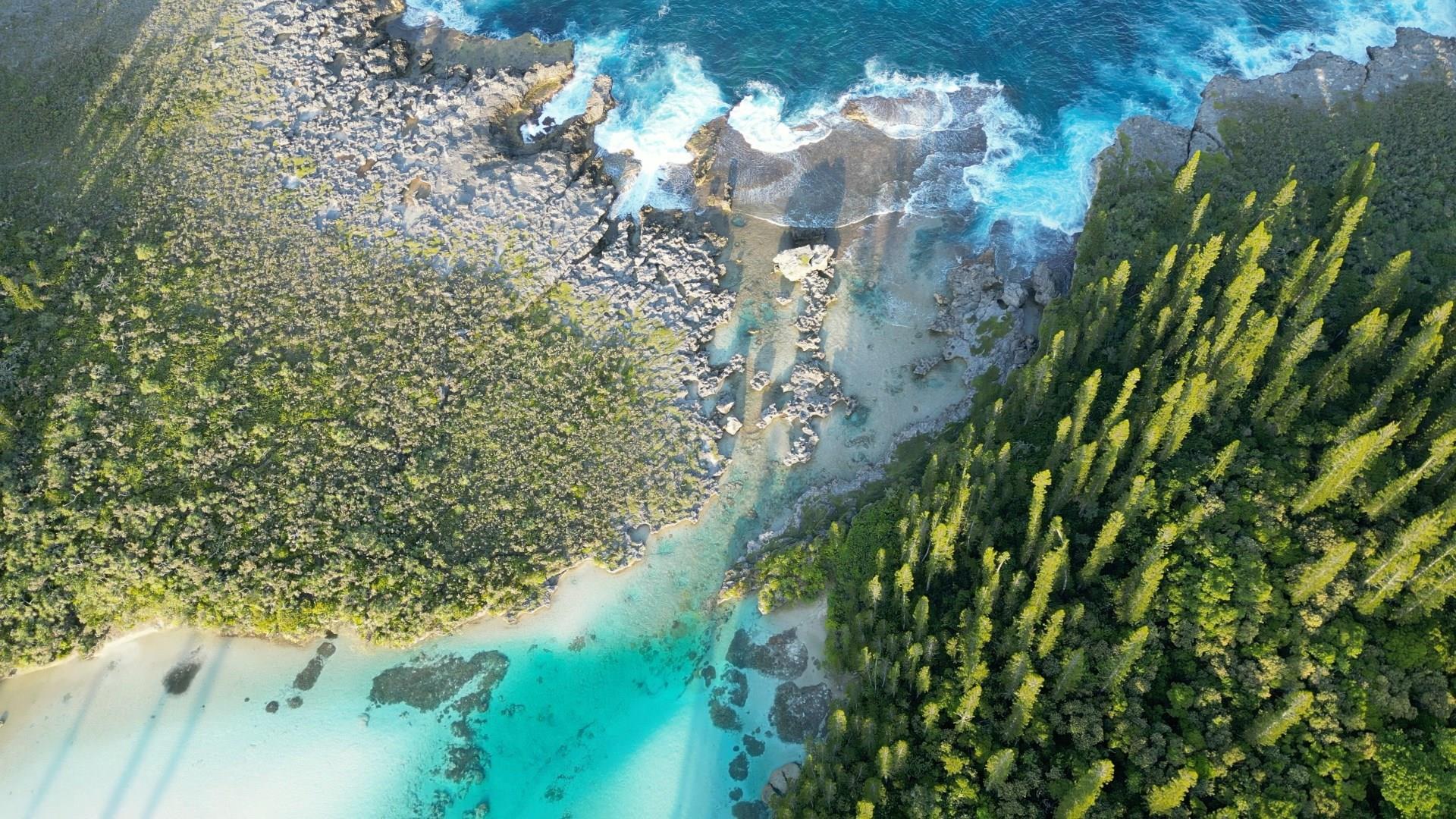
Île des Pins, often referred to as the "Island of Pines," is a serene paradise located in New Caledonia. This tropical haven is renowned for its pristine beaches, turquoise lagoons, and lush pine forests, offering visitors an idyllic escape from the everyday. The island's charm extends beyond its beaches. The Pic N'Ga peak offers panoramic views of the island's lush landscape, accessible via a scenic hike through dense forest.
