
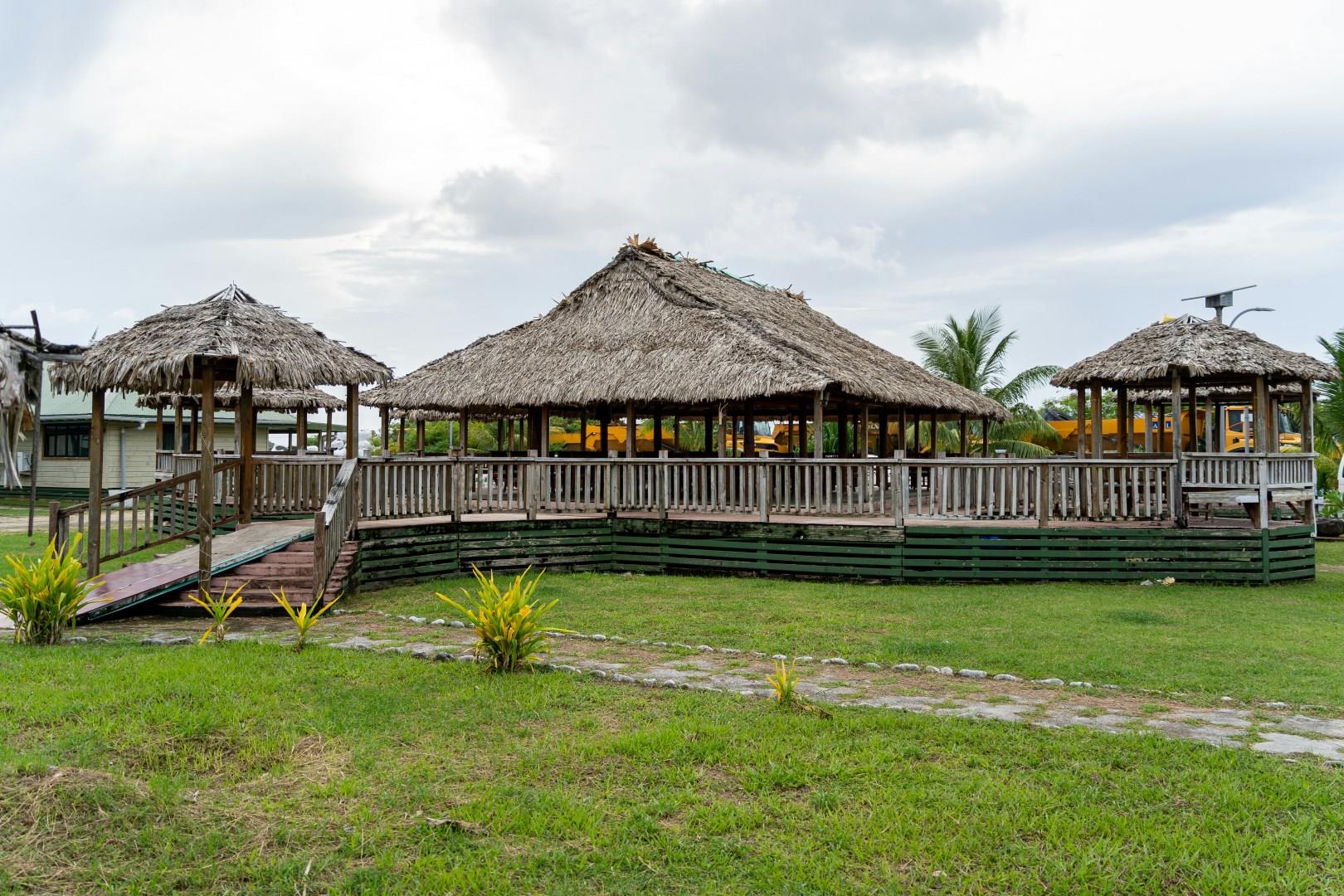
Funafuti Atoll
Funafuti Atoll, the capital of Tuvalu, is a narrow strip of land wrapped around a brilliant turquoise lagoon that stretches over 20 kilometers across. Despite being just 600 meters at its widest point, Funafuti is the heartbeat of the country, where government buildings, homes, schools, and the island’s only airport all coexist along sandy roads lined with coconut trees.
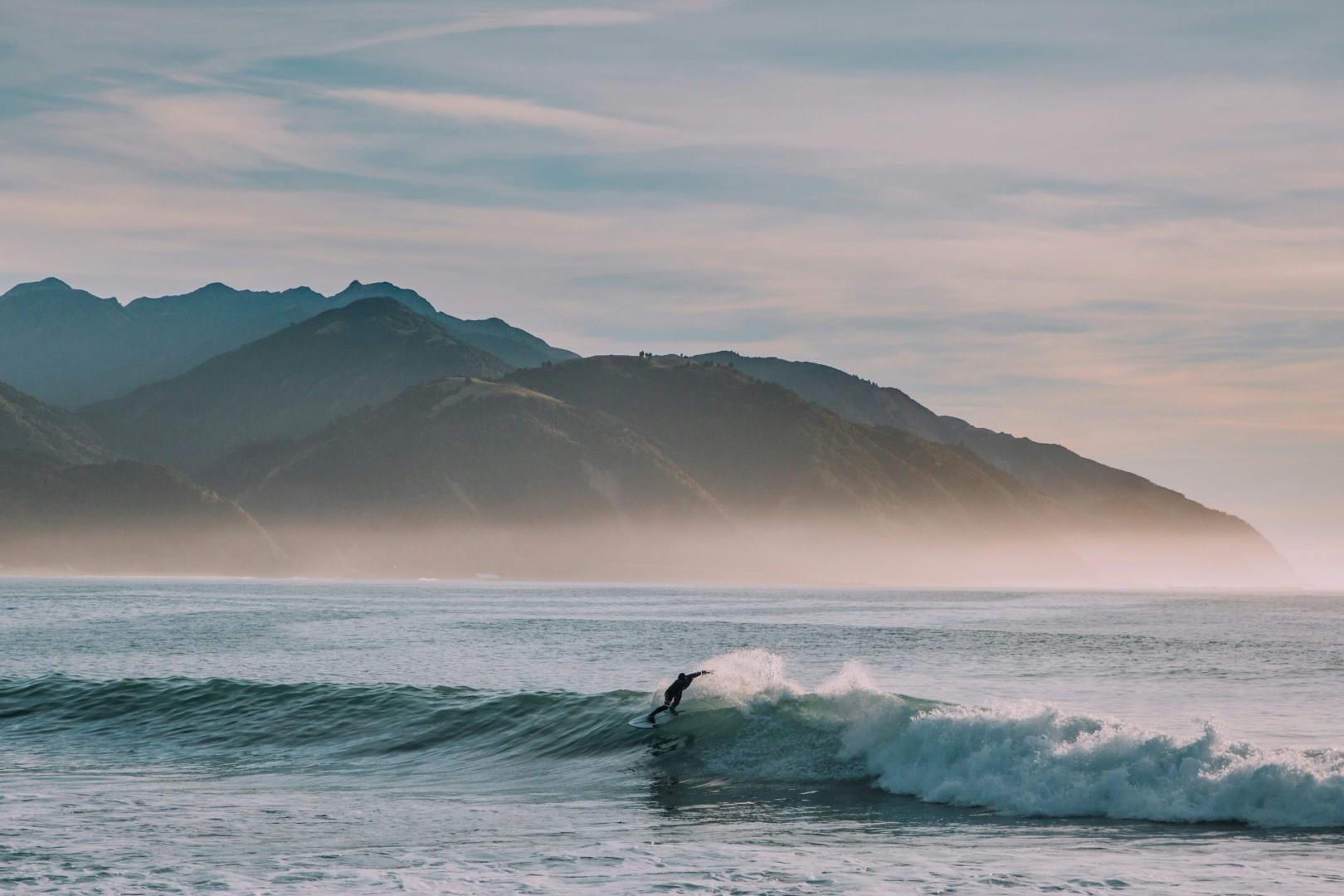
Kaikoura
What sets Kaikōura apart are the extraordinary marine encounters that begin just off the shoreline. The Kaikōura Canyon, an underwater gorge that plunges to great depths close to land, creates currents rich with nutrients that attract a remarkable array of sea life year-round. Sperm whales are a common sight here and are frequently spotted on local boat tours. Dusky dolphins twist and leap in large pods, and colonies of New Zealand fur seals laze on rocky outcrops along the coast.
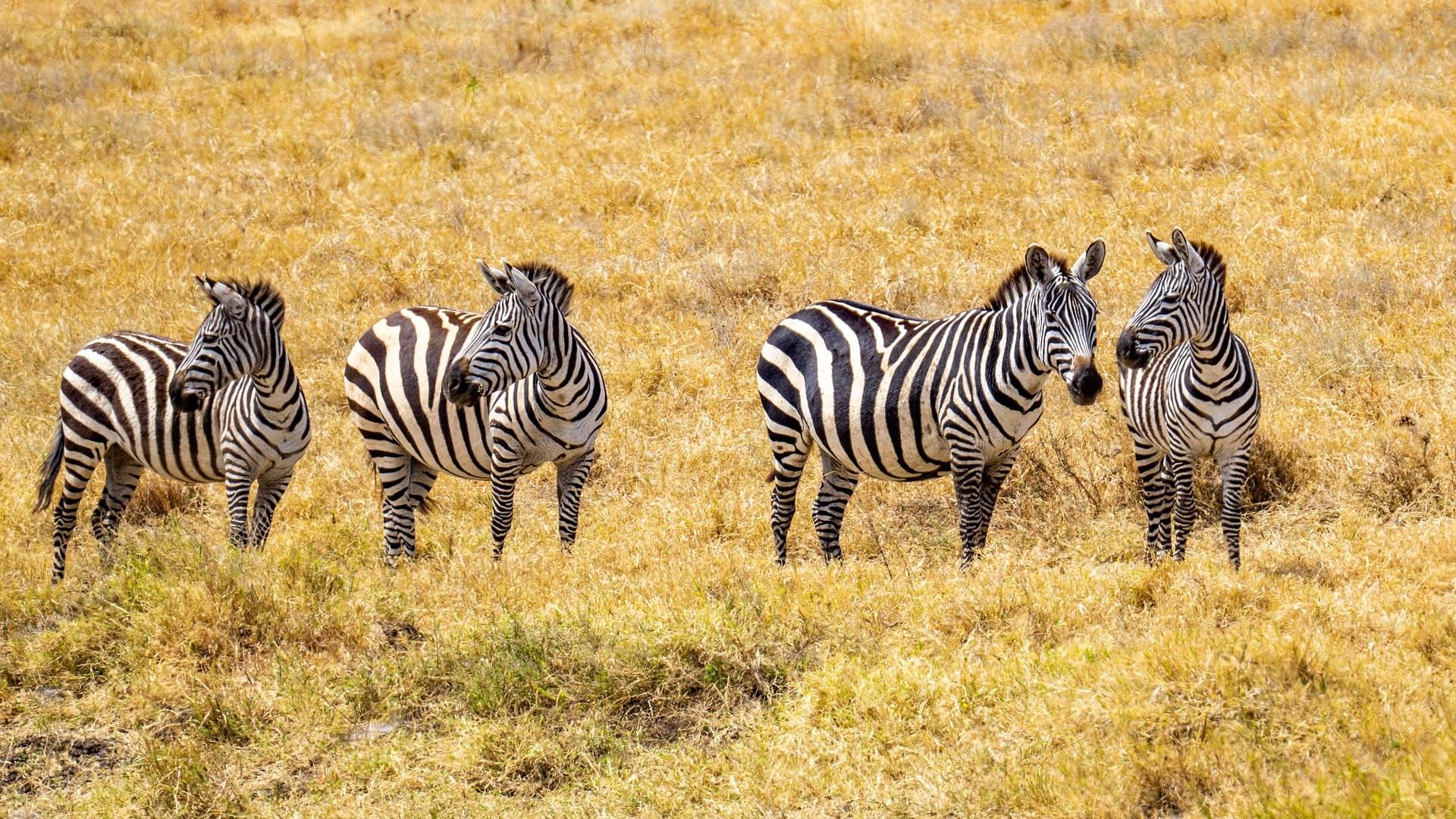
Tanzania
Tanzania, located in East Africa along the Indian Ocean, is a country of extraordinary landscapes and cultural diversity. It is home to Africa’s tallest peak, Mount Kilimanjaro, and vast plains such as the Serengeti, where wildlife roams freely across open savannas.
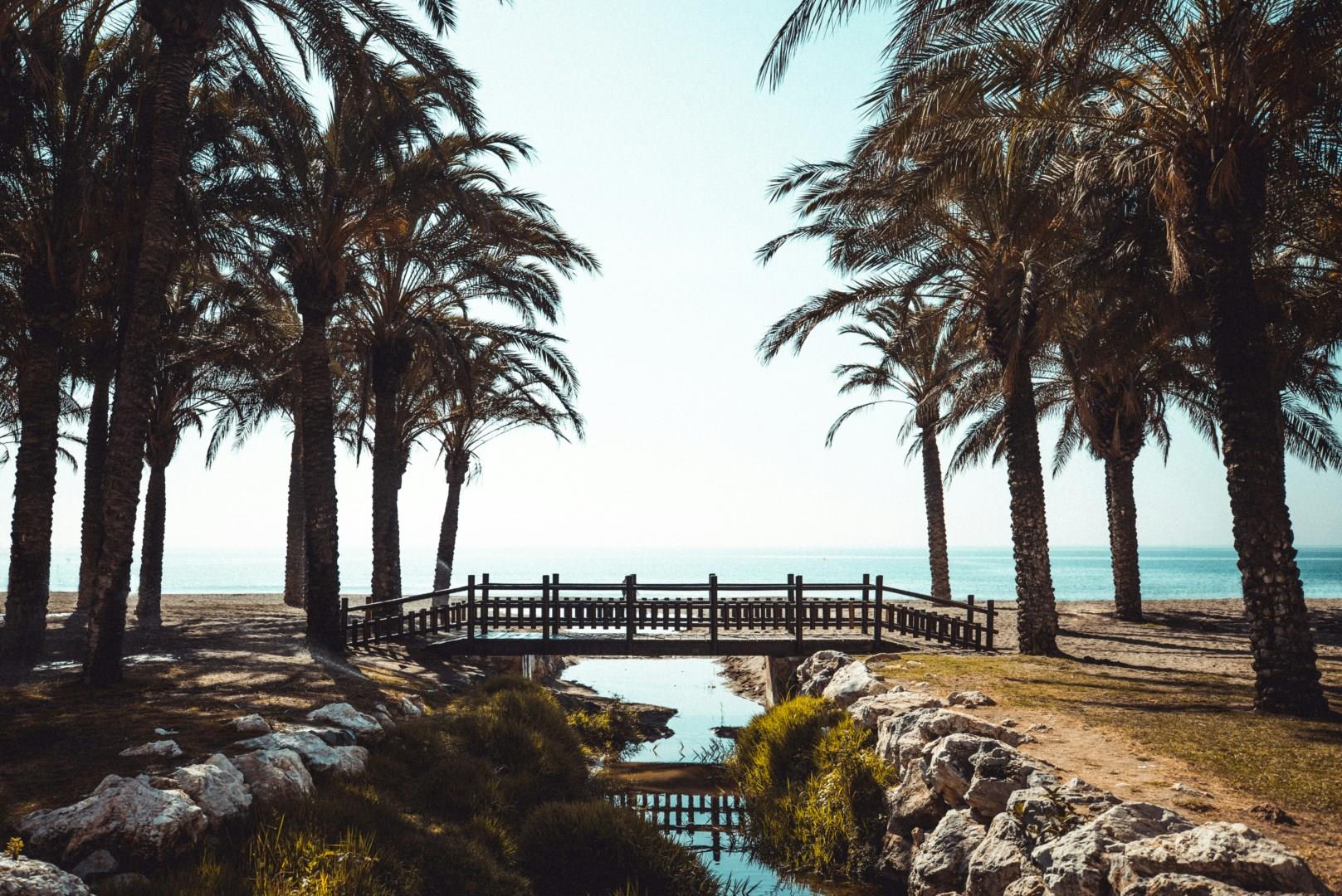
Torremolinos
Torremolinos, on Spain’s Costa del Sol, has transformed from a small fishing village into one of the region’s most vibrant seaside towns. Just a short drive from Málaga, it became famous in the mid-20th century as one of the first international beach destinations in Spain, attracting artists, celebrities, and travelers in search of sun and sea.

Antananarivo
Antananarivo, Madagascar’s vibrant capital, offers a unique blend of cultural richness and historical depth. Perched on a series of hills, the city’s layout is characterized by its steep streets and traditional architecture. The Royal Palace, or Rova of Antananarivo, is a central landmark, offering a glimpse into Madagascar's royal past. Although much of the palace was destroyed by fire in 1995, the site remains a significant cultural and historical monument.
