
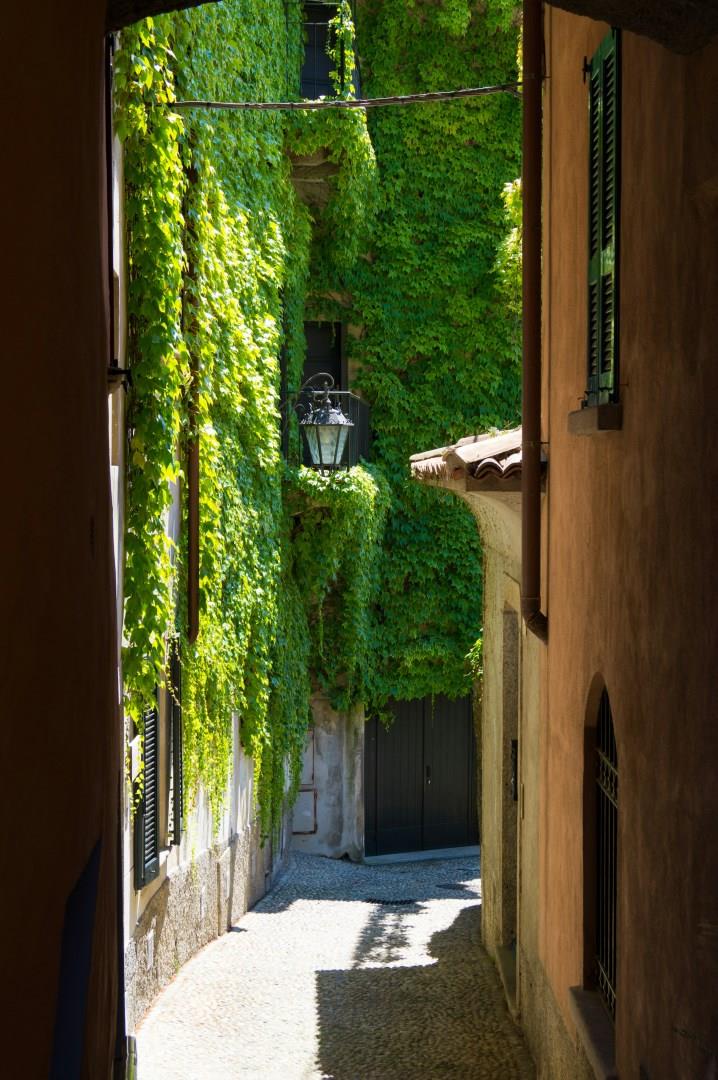
Bellagio
Perched at the meeting point of Lake Como’s three branches, Bellagio is often called the “Pearl of Lake Como” for its spectacular setting and timeless elegance. This Italian village has been a retreat for centuries, drawing poets, aristocrats, and travelers alike with its harmonious blend of natural beauty, refined architecture, and relaxed sophistication.
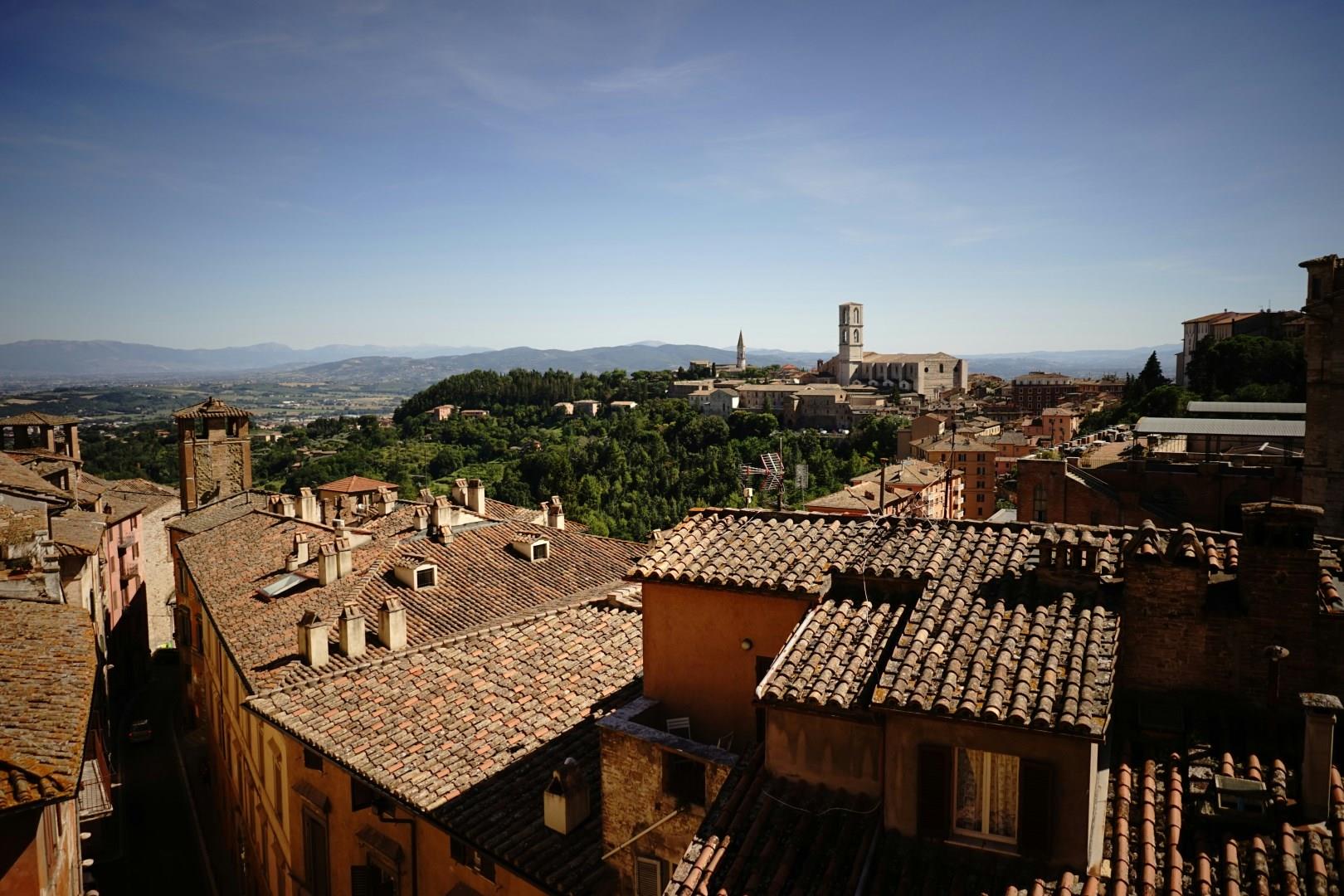
Perugia
Perugia, the capital of Italy’s Umbria region, is a city built across hills and centuries. Originally settled by the Etruscans more than 2,500 years ago, it still holds remnants of their civilization, including one of the largest surviving Etruscan arches in Italy named Arco Etrusco, which greets visitors at the city’s entrance. Walking through the narrow streets of the historic center reveals layers of Roman, medieval, and Renaissance architecture, all woven together within ancient stone walls.
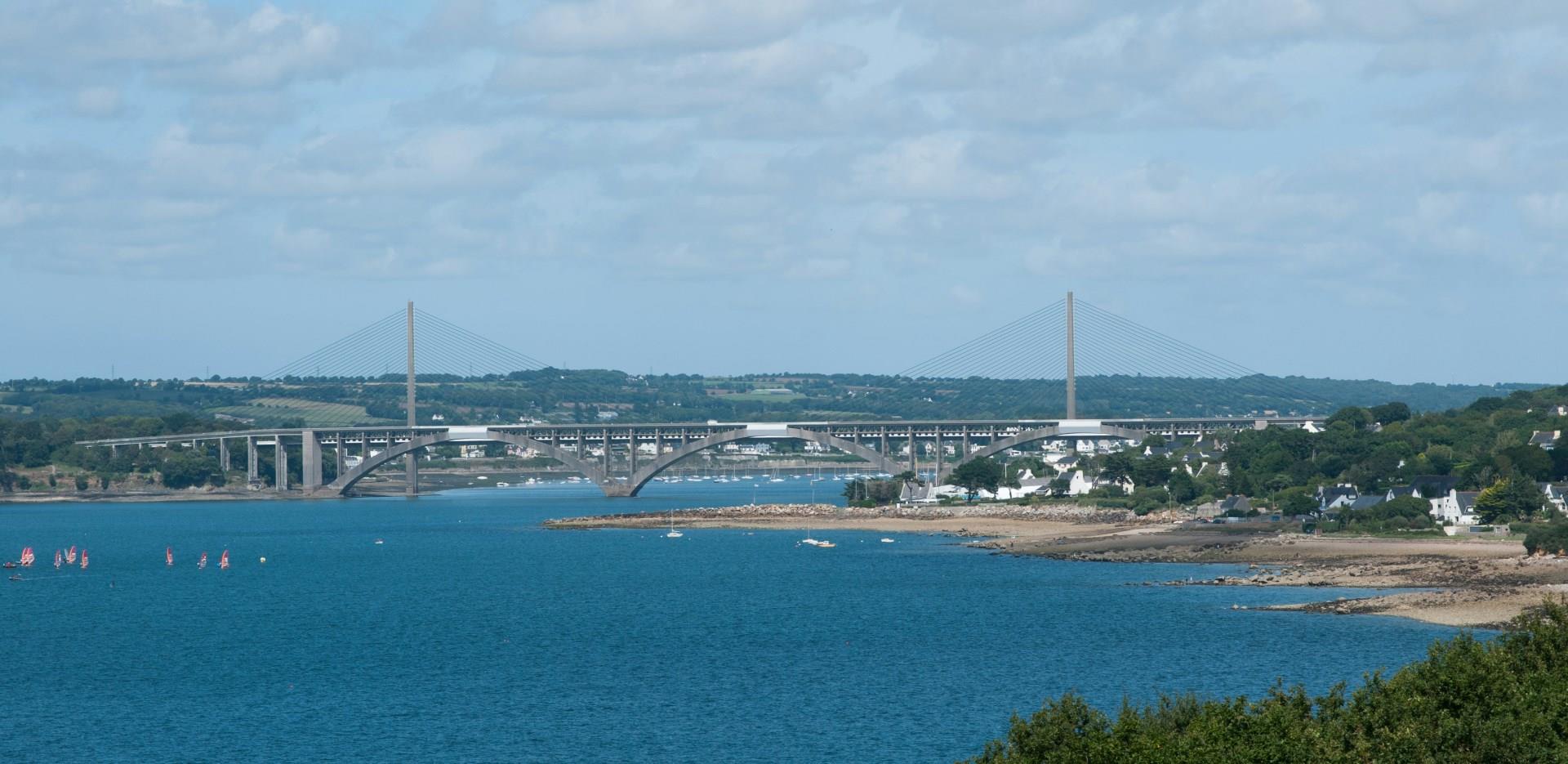
Brest
Brest sits at the western edge of Brittany, facing the Atlantic and shaped by its role as a strategic naval port. Much of the city was rebuilt after World War II, giving it a modern layout that contrasts with older Breton towns, yet its history remains closely tied to the sea.

Mozambique
Mozambique, stretching along the southeast coast of Africa, is a country celebrated for its long Indian Ocean shoreline, colorful traditions, and layered history. The country’s coastline is among its greatest treasures.

Boracay
Boracay, a small island in the central Philippines, is famous for its white-sand beaches and clear turquoise waters. Despite its size, the island offers a wide range of activities, from swimming and snorkeling to paddleboarding and sailing.
