
Loire Valley
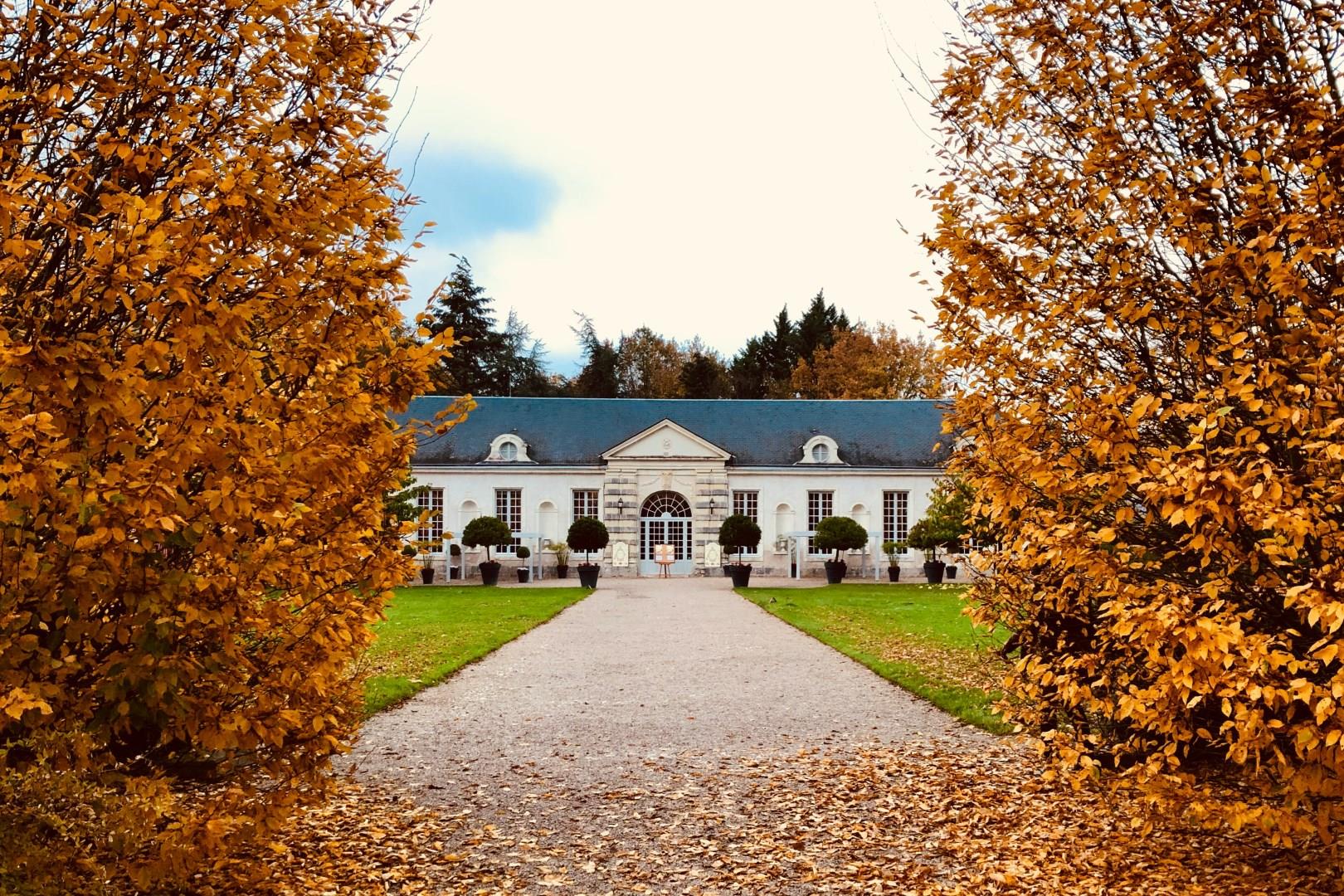
The Loire Valley stretches along the gentle curves of France’s longest river, a place where riverside towns, historic estates and vineyards have shaped daily life for centuries. This long stretch of landscape was recognized as a UNESCO World Heritage Site because of its remarkable cultural landscape, which includes towns like Tours, Blois, Amboise and Saumur and a tapestry of castles standing beside the river banks.

Stowe
Stowe, Vermont, nestled in the Green Mountains, is a quintessential New England destination that captivates visitors year-round with its charming village atmosphere, outdoor adventures, and vibrant arts scene. Often referred to as the “Ski Capital of the East,” Stowe offers world-class skiing and snowboarding at Stowe Mountain Resort, which boasts over 485 acres of skiable terrain, including trails on Vermont's highest peak, Mount Mansfield.

Split
Split, Croatia, is a city where ancient history and modern vibrancy blend seamlessly, creating an alluring destination for travelers. At the heart of Split is the UNESCO World Heritage Site of Diocletian's Palace, a remarkably well-preserved Roman complex built by Emperor Diocletian in the 4th century AD. This sprawling palace complex, with its labyrinthine streets, ancient walls, and grand Peristyle courtyard, is not just a historical site but a bustling part of the city’s daily life.

Merzouga
Merzouga, a small village located in southeastern Morocco, is the gateway to the stunning Erg Chebbi dunes, one of the most iconic desert landscapes in the world. These towering sand dunes, which can reach heights of up to 150 meters (492 feet), offer an unparalleled opportunity for adventure and exploration. The contrast between the golden sands and the clear blue sky creates a breathtaking panorama that is perfect for photography and desert excursions.
Kirkenes
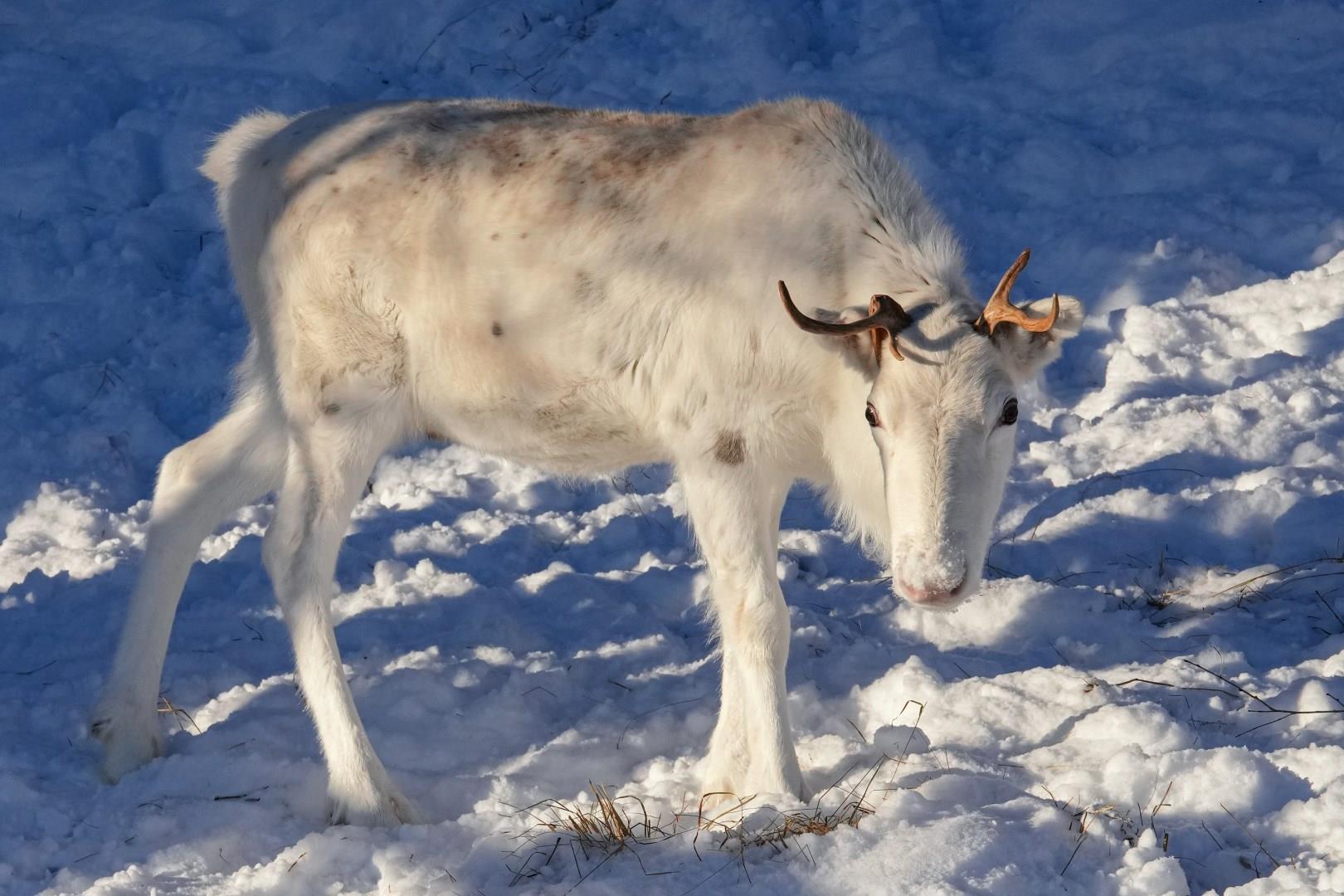
Kirkenes sits at the far northeastern edge of Norway, just a few kilometers from the Russian border and not far from Finland. This Arctic town offers travelers a perspective they won’t find anywhere else in the country. With street signs in both Norwegian and Russian, and a local history shaped by war, trade, and shifting borders, Kirkenes has long stood at the crossroads of cultures.
