
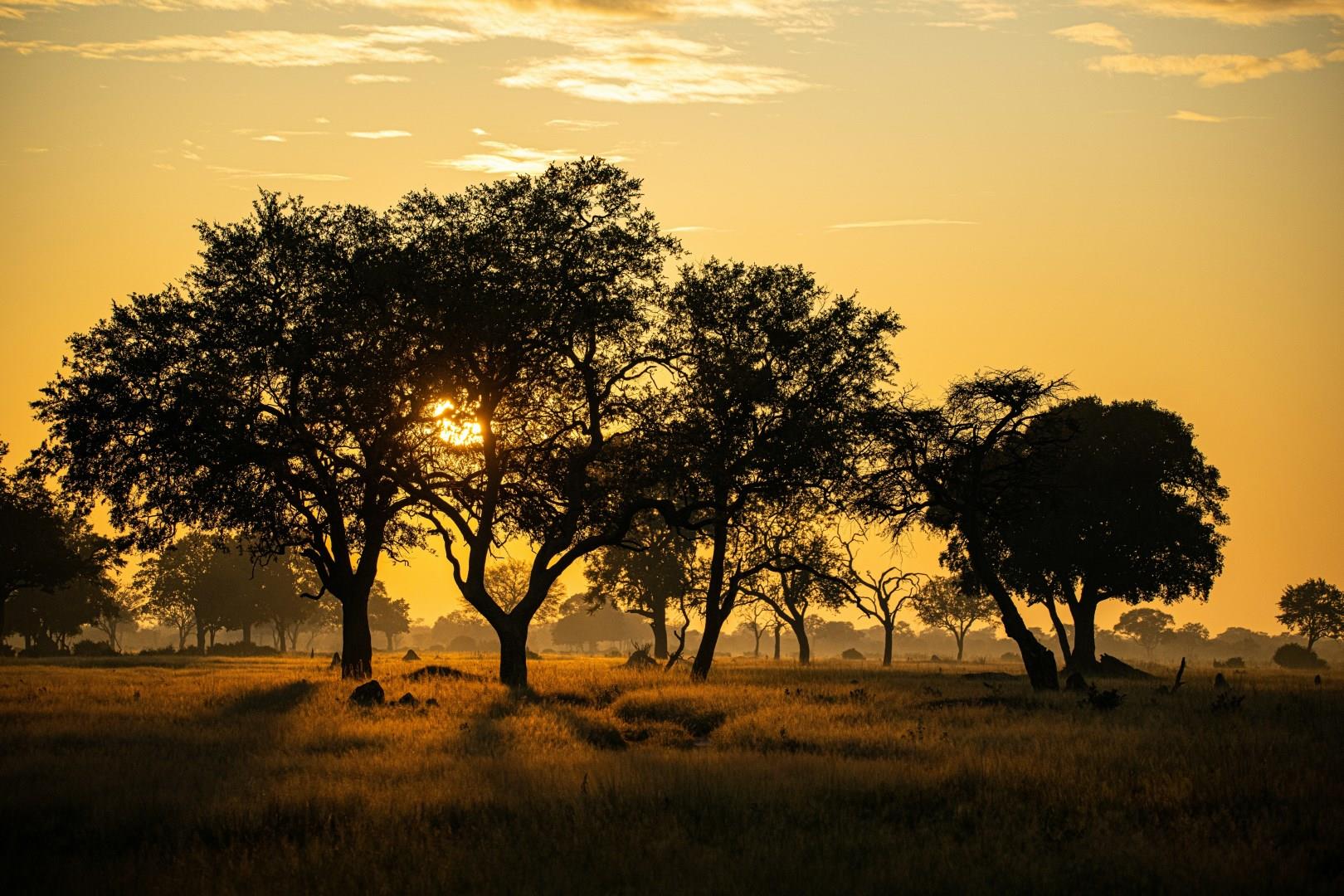
Hwange National Park
Hwange National Park, located in western Zimbabwe, is the country’s largest protected area and one of Africa’s premier wildlife reserves. Covering more than 14,600 square kilometers, it is renowned for its extraordinary diversity of animals and habitats.

Ephesus
Once the commercial center of the ancient world, Ephesus is an archaeological splendor and an essential stop on any visit to Turkey. The city, whose wealth and patronage support its splendid architectural program, was dedicated to the goddess Artemis.
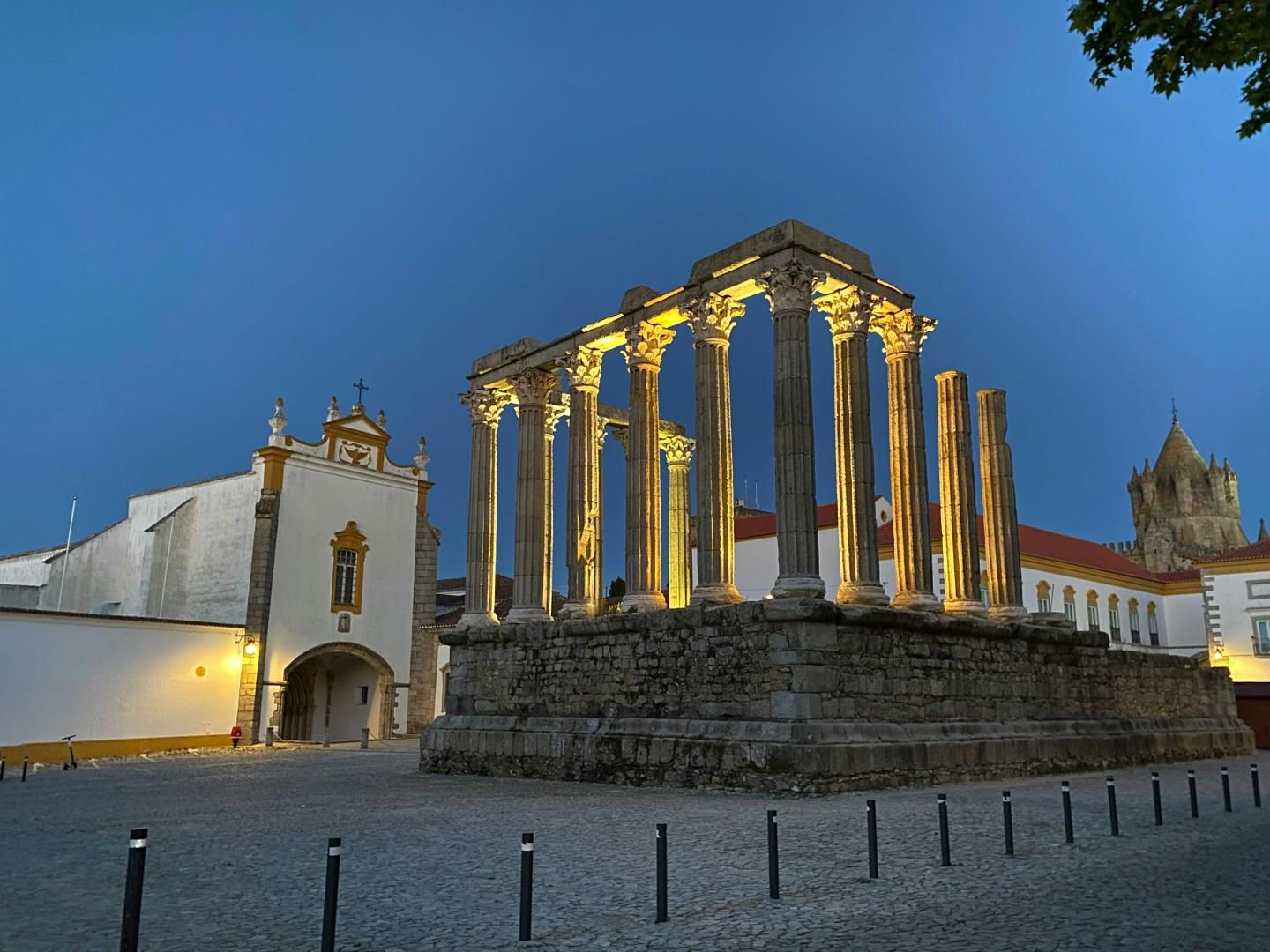
Evora
Évora, in Portugal’s Alentejo region, feels like stepping into a story that spans more than two thousand years. Its Historic Centre was named a UNESCO World Heritage Site for good reason with its ancient walls, homes with wrought-iron balconies, and narrow streets quietly preserve traces of Roman, Moorish, and medieval life. Beyond architecture and monuments, Évora reveals lesser-known treasures that reward exploration.

Victoria
British influences are quite evident in Victoria, from afternoon tea times to elegant Victorian architecture. This capital of British Columbia on Vancouver Island provides ample outdoor recreation, with its public parks and access to both the ocean and wilderness. Cyclists will be right at home here, as Victoria boasts a seemingly endless number of bike paths for exploring.

Darwin
Tropical beaches, green space, wildlife, and dazzling sunsets all draw tourists to Darwin. Visitors should also discover the city's art museums, Mindil Beach's night markets and the local seafood. And did you know that this area of Australia has more crocodiles than anywhere on the planet?
