

Salerno
Salerno, nestled along Italy's stunning Amalfi Coast, offers a captivating blend of history, culture, and Mediterranean charm. As a gateway to the Amalfi Coast, Salerno's historic center features delightful streets and architectural gems.
Salento
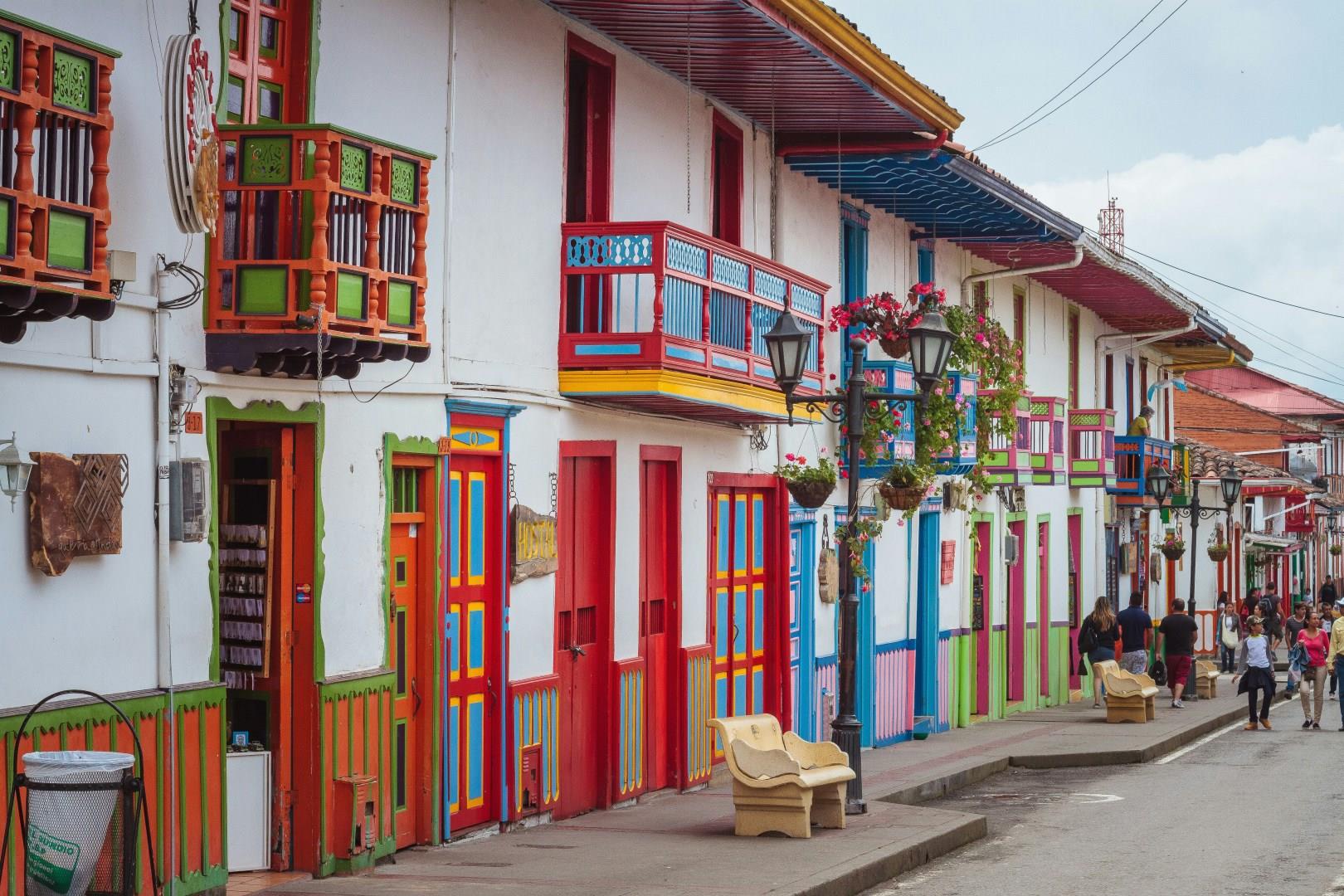
Salento is the sun-kissed peninsula at the southern tip of Italy’s Puglia region, where history, seaside views, and lively local customs create a destination unlike any other. Its coastline stretches between the Adriatic and Ionian seas, offering beaches with clear, turquoise water and soft sand at places like Torre dell’Orso, Punta Prosciutto, and Porto Cesareo, each with its own character and allure for visitors exploring the shore.
Tampico
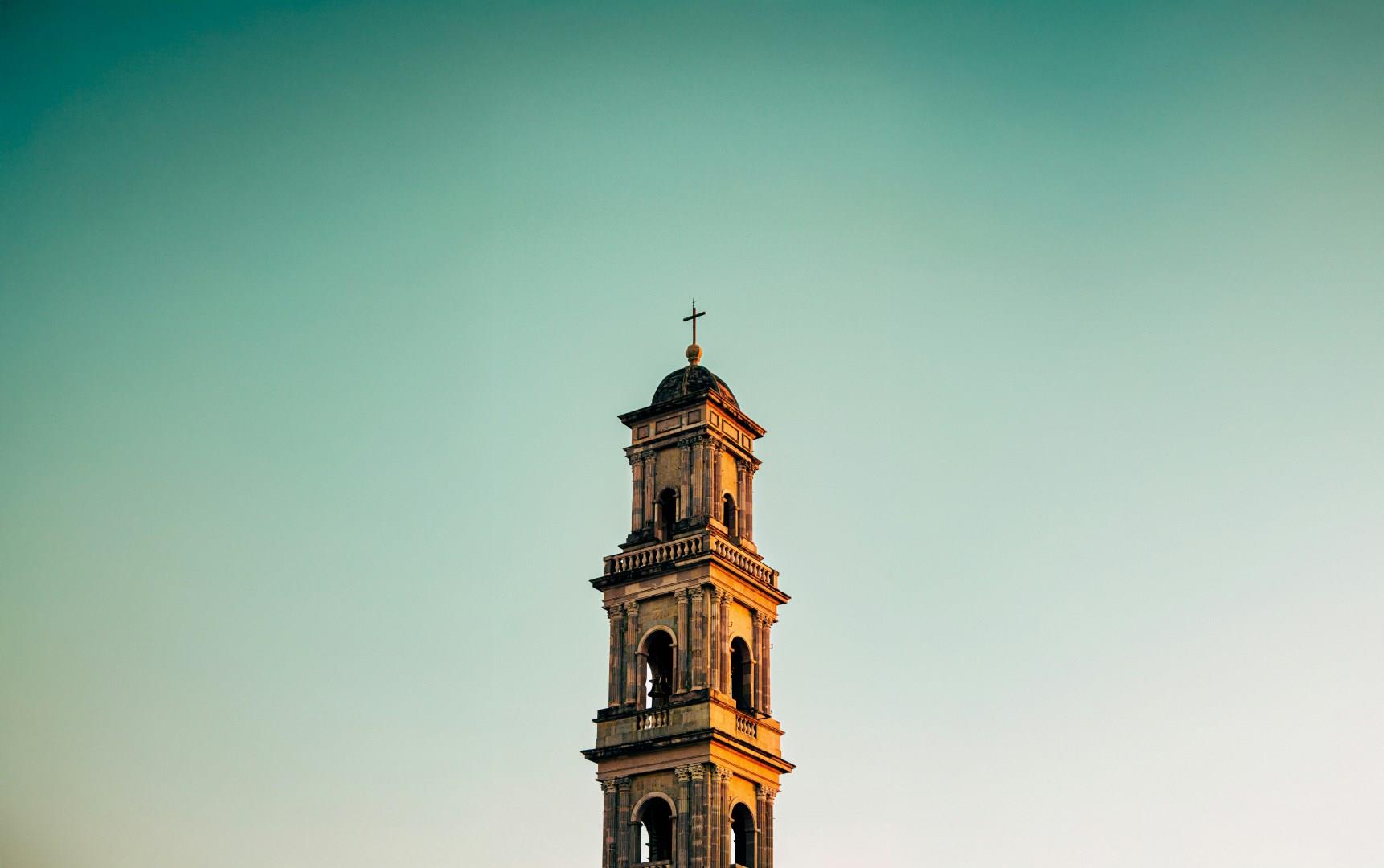
Tampico, located on the Gulf Coast of Tamaulipas, is a port city with a layered history shaped by trade, oil, and immigration. Its downtown district is known for neoclassical buildings, many of which were constructed with imported bricks and ironwork from Europe during the oil boom of the early 20th century. One of Tampico’s most photographed structures is the Mercado Municipal, rebuilt in recent years but still functioning as a central hub for daily life.
Gotland
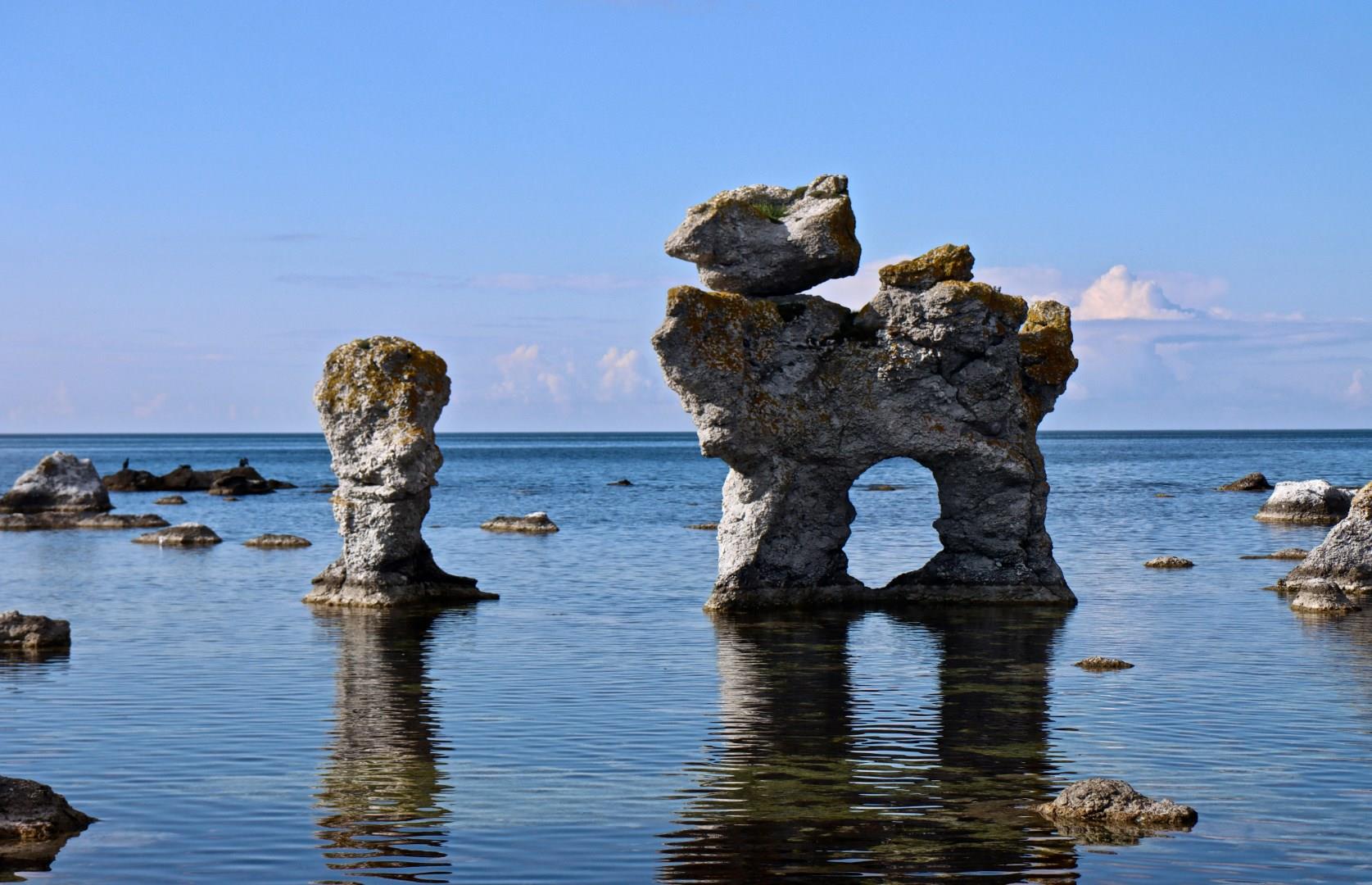
Gotland, Sweden’s largest island, sits in the Baltic Sea and feels like a world of its own. Its main town, Visby, is a UNESCO World Heritage site and one of the best-preserved medieval towns in Northern Europe. Surrounded by a 3.5-kilometer stone wall with original towers still intact, Visby once served as a key Hanseatic trading hub. Visitors can walk along cobbled streets lined with rose-covered cottages, explore Gothic church ruins, and climb up the city wall for views over the harbor.

Port Moresby
Port Moresby sits by the Coral Sea as Papua New Guinea’s capital and shows visitors a city of contrasts where glittering new buildings rise beside traditional villages built on stilts. One such place is Hanuabada, the original Motuan village, where roofs reach above water’s edge and everyday life still unfolds in Tok Pisin and local tongue.
