
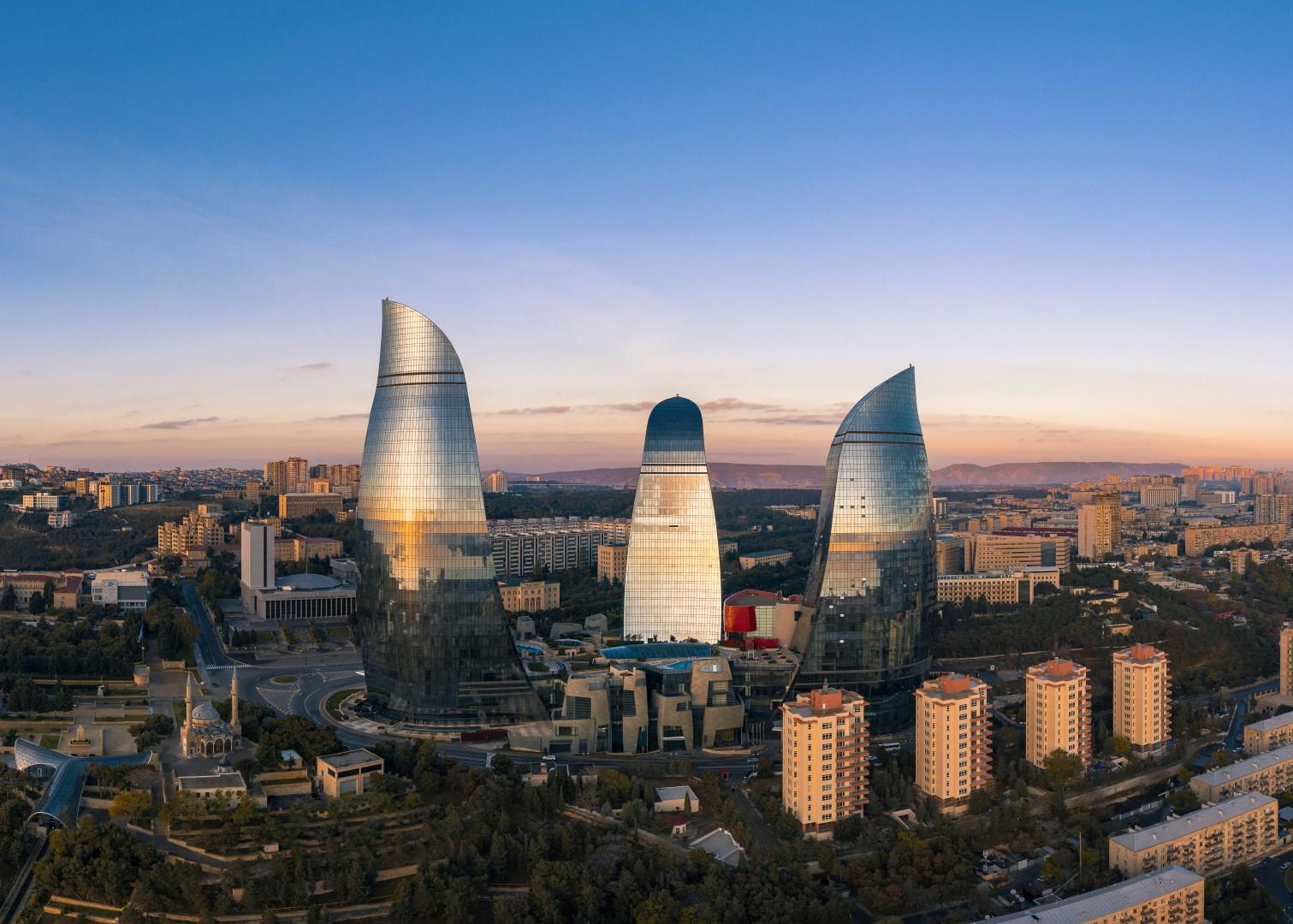
Baku
Baku, the capital of Azerbaijan, rises on the shores of the Caspian Sea as a city of striking contrasts. Its futuristic skyline, defined by the Flame Towers, glows each evening in waves of light, while the UNESCO-listed Old City preserves centuries of history within its fortified walls.
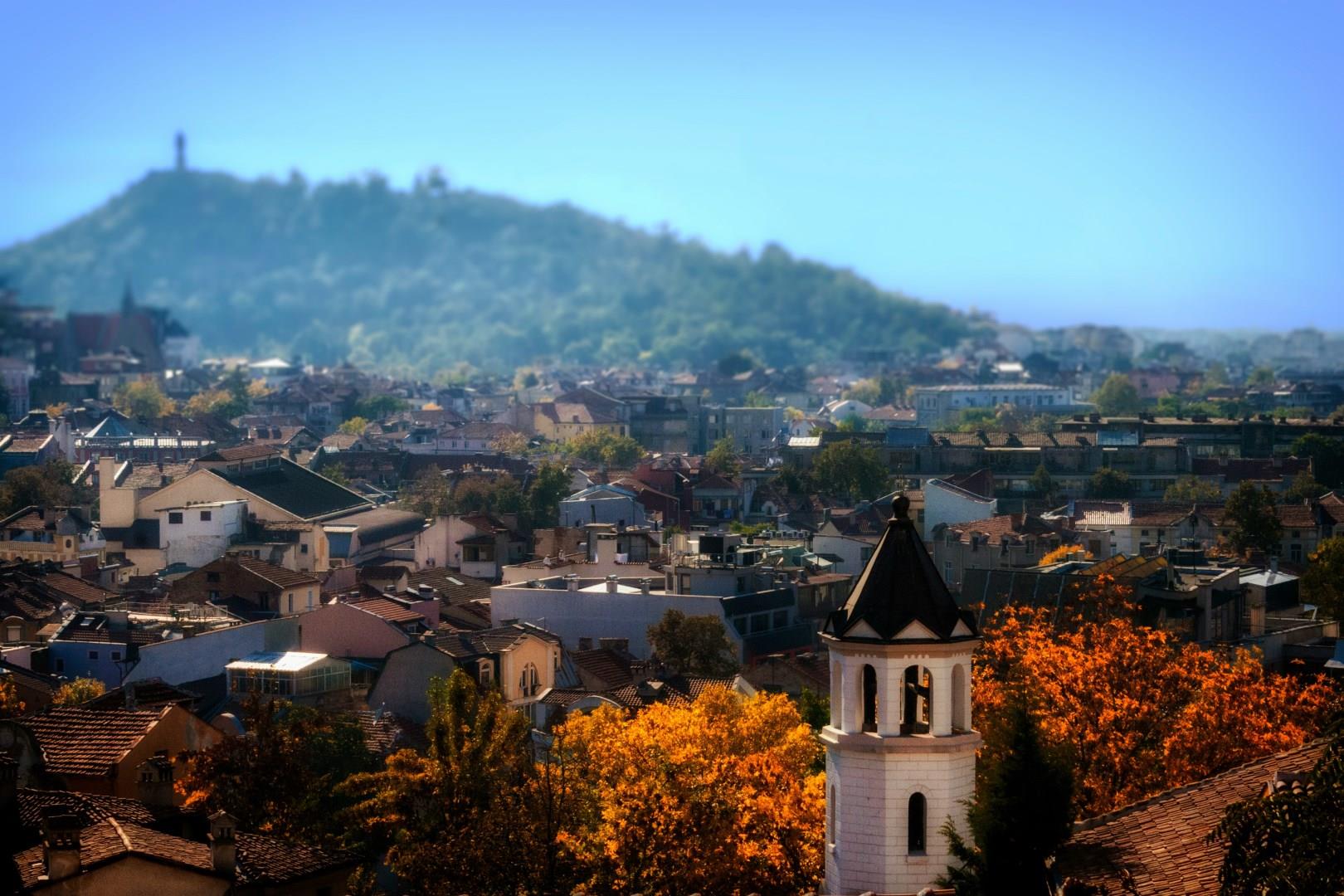
Plovdiv
Plovdiv, one of the oldest continuously inhabited cities in Europe, carries over 8,000 years of history layered into its streets. The Roman Theater, still in use today, was discovered by accident in the 1970s and now hosts operas and concerts overlooking the Rhodope Mountains. Nearby, visitors can walk the remains of a Roman stadium buried beneath the main pedestrian street, where modern shops and cafés stand above ancient foundations.

Aït Ben Haddou
Aït Benhaddou, located in southern Morocco along the former caravan route between the Sahara and Marrakesh, is one of the country’s most iconic historic sites. This fortified village, or ksar, is recognized as a UNESCO World Heritage Site and is admired for its striking earthen clay architecture that rises dramatically from the desert landscape.

Valtice
Nestled in the wine-growing region of South Moravia, Valtice, Czech Republic, is a charming town known for its rich history and stunning architecture. The centerpiece of Valtice is the majestic Valtice Castle, a UNESCO World Heritage site that showcases an impressive Baroque façade and beautifully landscaped gardens.

Qatar
Qatar invites discovery through both its modern ambition and traces of its desert heritage. In Doha, the Museum of Islamic Art, designed by I. M. Pei, rises over the waterfront to display centuries of calligraphy, ceramics, textiles, and metalwork. Nearby, the National Museum of Qatar presents the nation's story through exhibits and architecture shaped like the desert rose. Each space offers both insight and reflection.
