

Manuel Antonio National Park
Nestled along Costa Rica's Pacific coast, Manuel Antonio National Park is a jewel of biodiversity and natural beauty that enchants every traveler who steps into its lush embrace. Renowned for its pristine beaches, dense rainforests, and remarkable wildlife, the park offers a unique combination of adventure and relaxation. Hike along the park's well-maintained trails, like the Punta Catedral trail, which winds through the jungle and offers stunning panoramic views of the Pacific Ocean.
Lusaka
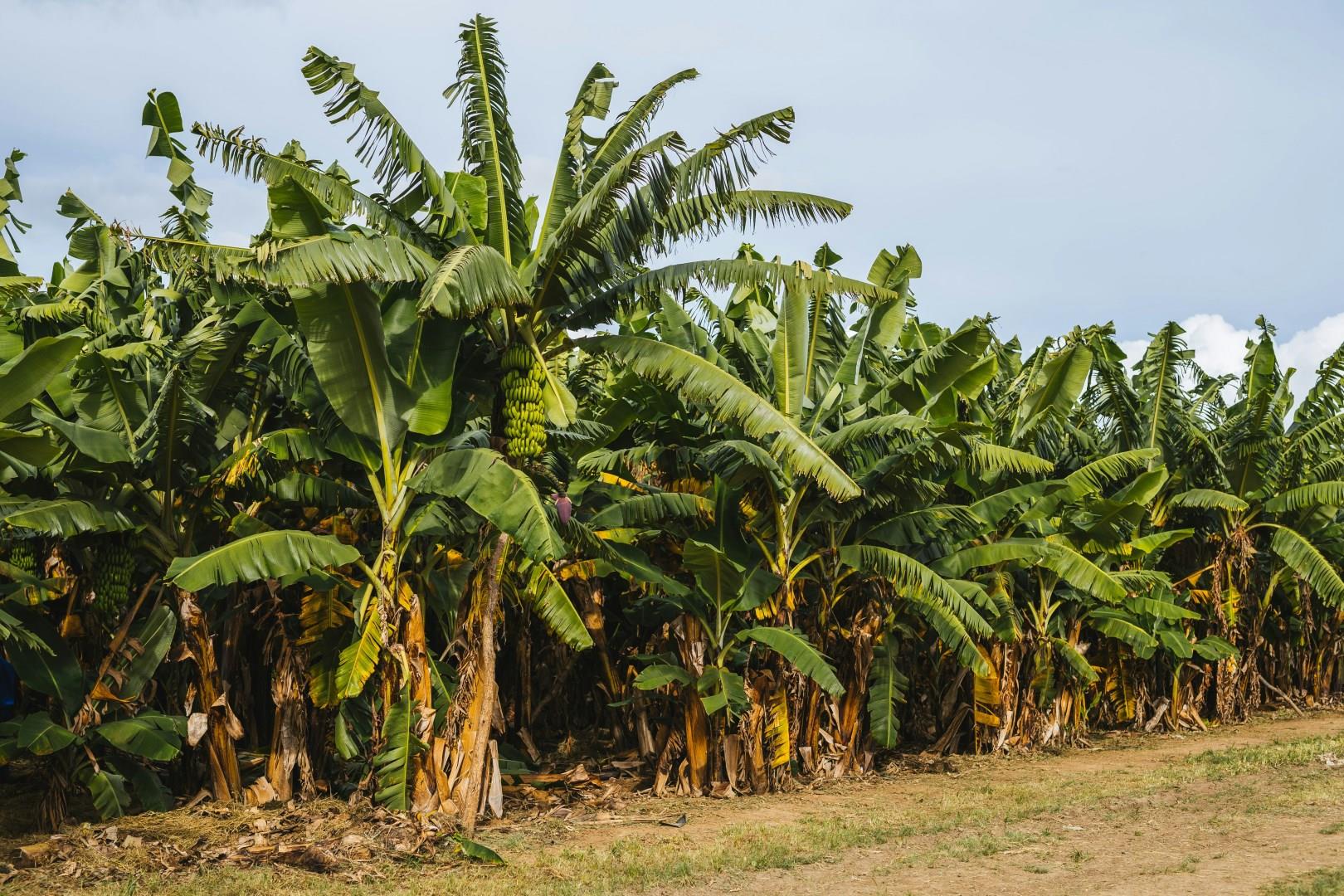
Lusaka, the capital of Zambia, is a city that blends modern energy with authentic African culture. As the country’s largest urban center, it serves as the gateway for travelers exploring Zambia’s natural wonders while also offering its own dynamic experiences.

Tallinn
From grand castles to resplendent cathedrals, Tallinn’s Old Town neighborhood, a UNESCO World Heritage Site, is the perfect place to begin exploring. Enter through Viru Väravad, or Viru Gate, the former fortress whose remaining two towers beckon you into the heart of the city.
Sukhothai
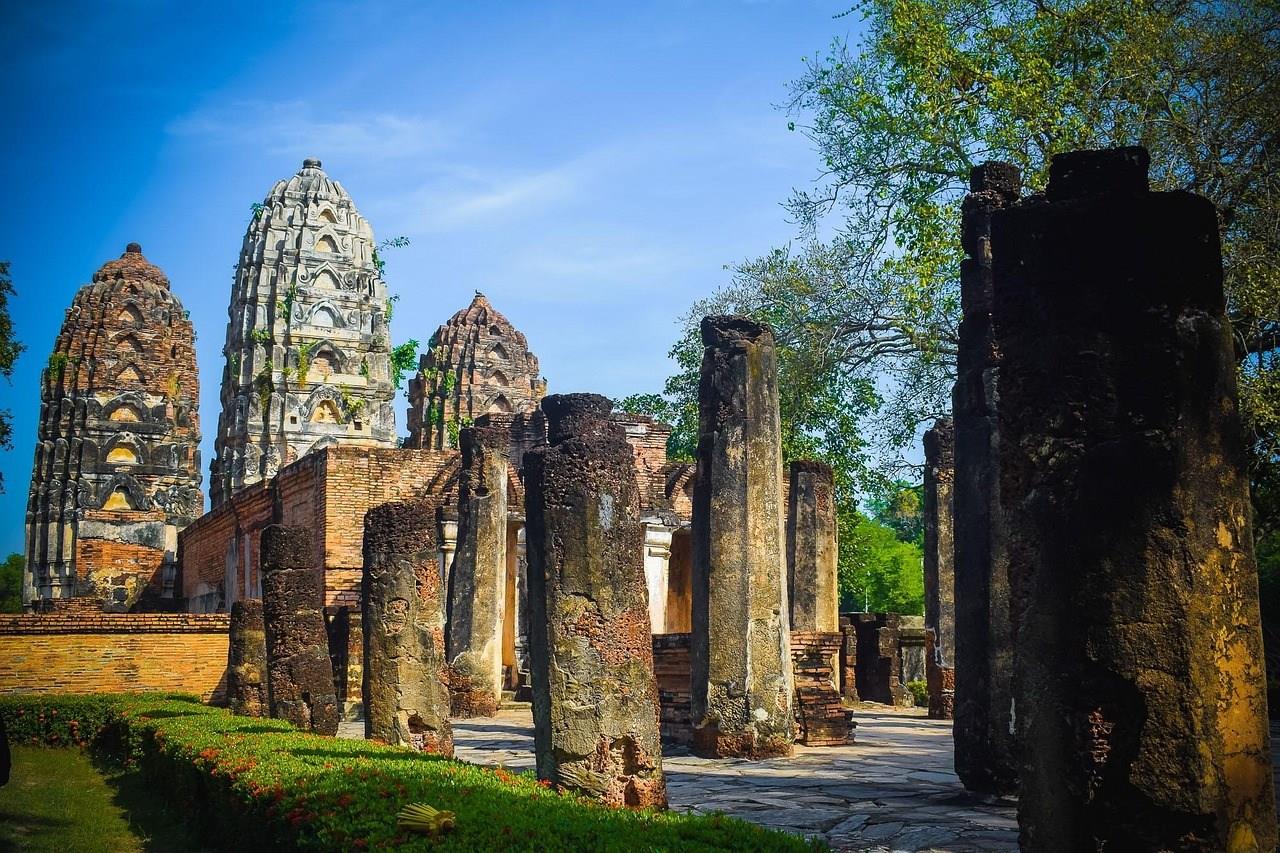
Sukhothai, located in north-central Thailand, was once the capital of the first independent Thai kingdom in the 13th century. Today, it’s best known for the Sukhothai Historical Park, a UNESCO World Heritage Site filled with stone temples, lotus-filled moats, and ancient Buddha statues. The park spans over 70 square kilometers and features more than 190 ruins.
Abaco
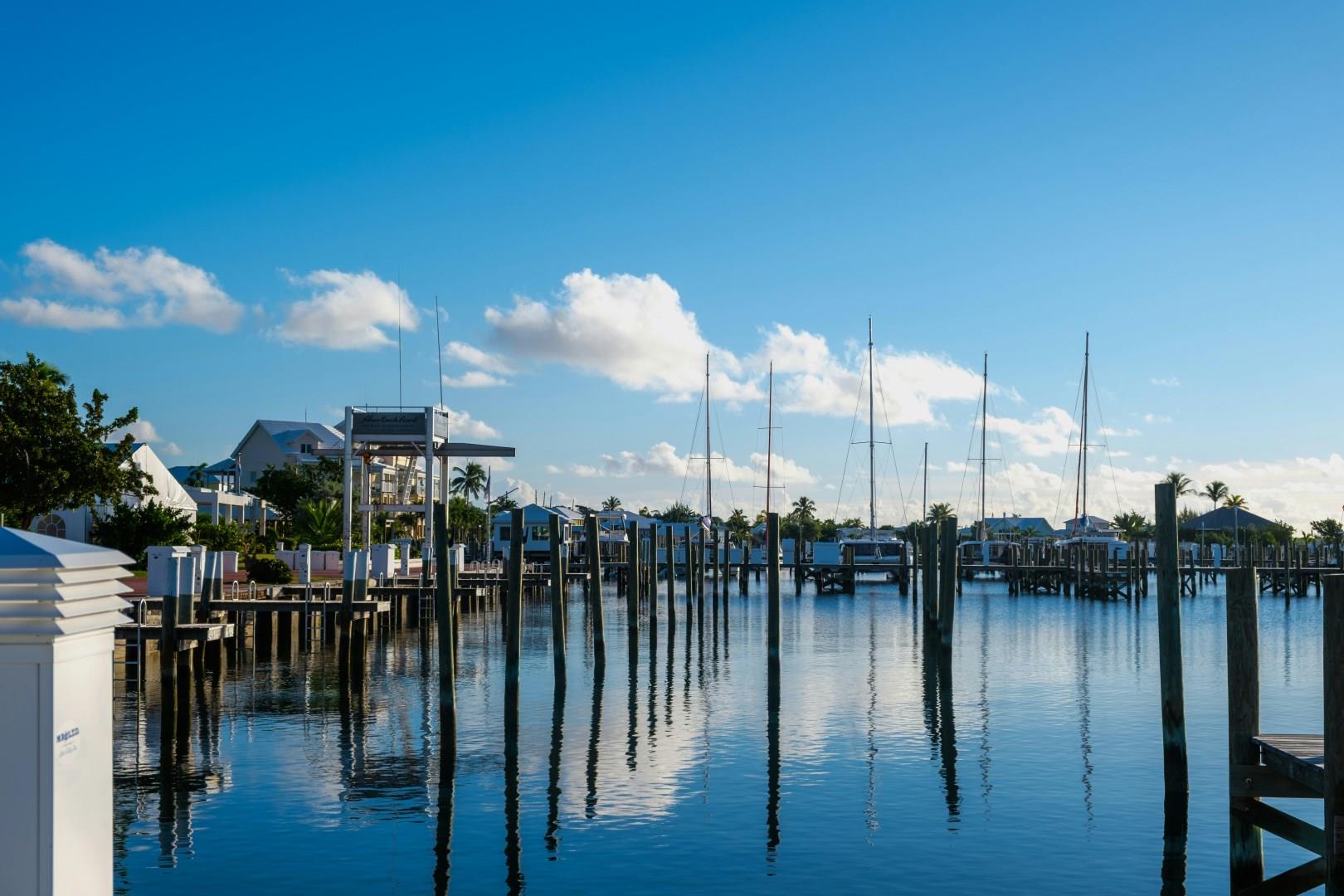
The Abaco Islands, part of The Bahamas, stretch across more than 120 cays and islands, offering a laid-back yet adventurous escape. Known for their calm waters and sheltered harbors, the Abacos are often called the sailing capital of The Bahamas, drawing boaters and yachters from around the world.
