

Chaniá
Chania, the jewel of western Crete, is a city where history, culture, and natural beauty converge to create a captivating experience. Known for its Venetian harbor, Chania boasts a unique blend of Venetian, Ottoman, and Greek influences. The harbor's old lighthouse, built in the 16th century by the Venetians, stands as a timeless sentinel over the bustling waterfront, which is lined with colorful buildings, inviting cafes, and vibrant tavernas.
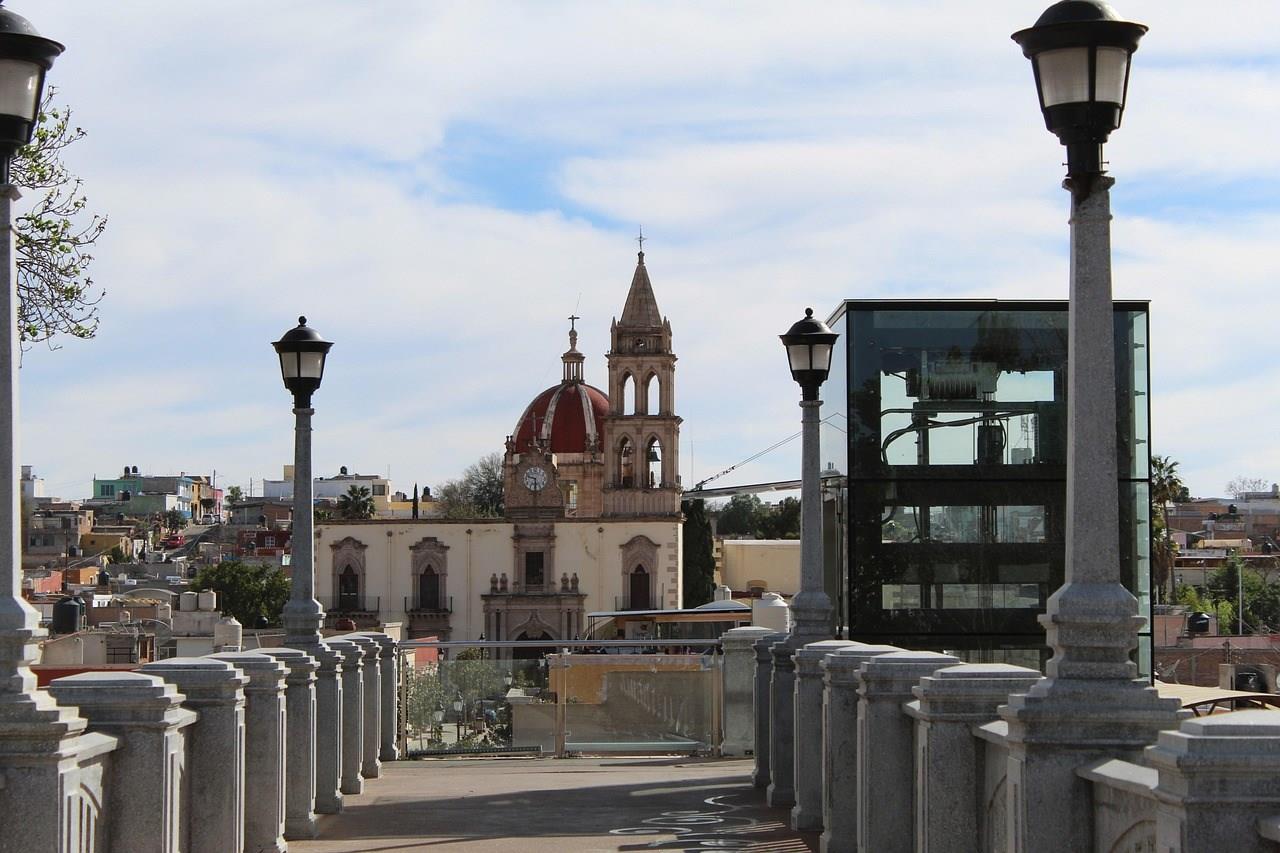
Durango
Victoria de Durango rises on a high plateau Mexico’s Sierra Madre Occidental, founded in 1563 by Francisco de Ibarra. Its streets trace layers of history: the historic center holds the most listed buildings in northern Mexico and remains a notable stop on the Camino Real de Tierra Adentro, now a UNESCO World Heritage route.

Strasbourg
This vibrant and picturesque city sits near the German border and is the 2nd most popular tourist city in France. Its historic city center is classified a World Heritage Site by UNESCO, and the Stasbourg Cathedral is one of the finest examples of Rayonnant Gothic architecture.

Antananarivo
Antananarivo, Madagascar’s vibrant capital, offers a unique blend of cultural richness and historical depth. Perched on a series of hills, the city’s layout is characterized by its steep streets and traditional architecture. The Royal Palace, or Rova of Antananarivo, is a central landmark, offering a glimpse into Madagascar's royal past. Although much of the palace was destroyed by fire in 1995, the site remains a significant cultural and historical monument.

Martinique
Martinique, often called the "Island of Flowers", is a French Caribbean gem where striking landscapes and rich heritage meet. At its northern heart stands Mount Pelée, a powerful volcano that looms above lush rainforest valleys and waterfalls.
