

Copenhagen
Charming Copenhagen is the jewel of Denmark and a delightful stop for any traveler. Well-known as an eco-friendly haven for sustainable and green living, Copenhagen has embraced its status as the best “bike city” on earth and promoted the use of bicycles by locals and tourists.
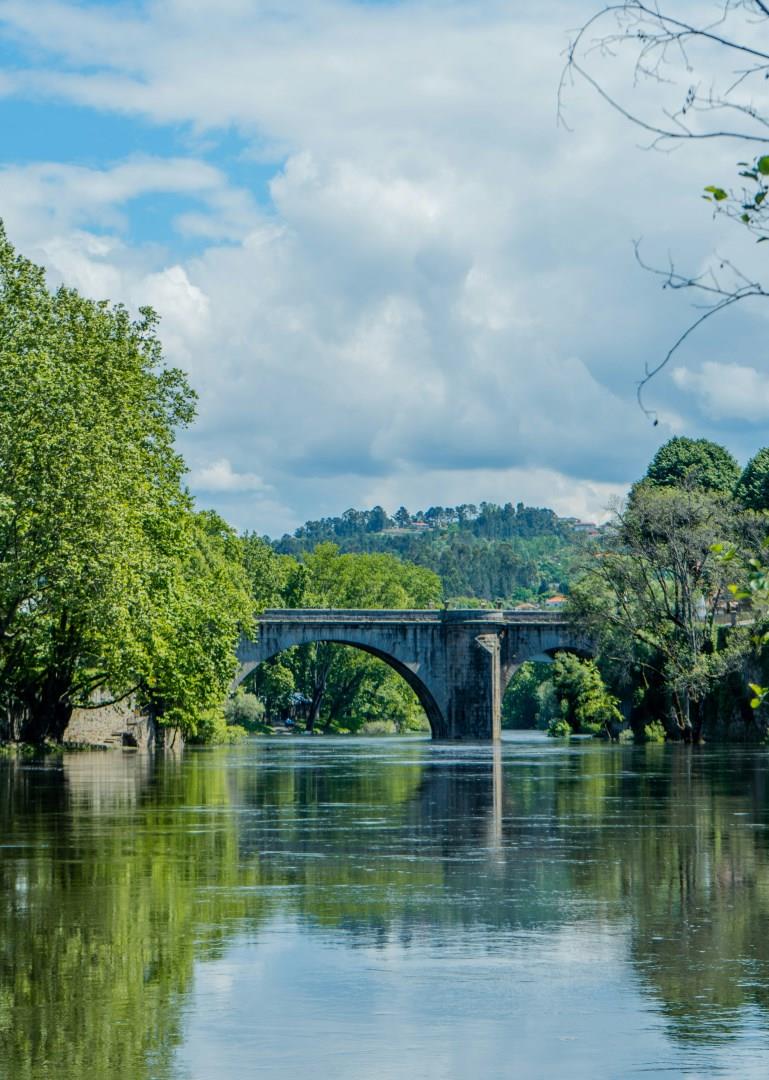
Amarante
Amarante, located in Portugal’s northern region of Tâmega e Sousa, sits quietly along the banks of the Tâmega River, framed by stone bridges, historic churches, and lush hills. The city is best known for its connection to São Gonçalo, a 13th-century monk whose name now graces the arched bridge and the grand convent-church that stands beside it.

Cabo San Lucas
Nestled on the southern tip of California's Baja Peninsula, there's a feeling of peace on Cabo San Lucas, Mexico. Find your own private sand dune and bask in the sun. Walk along the famous Playa del Amor or explore Cabo's unique rock formations that are found in almost every cove. For a special treat, stop and watch artists create black coral jewelry.

Wisconsin
Wisconsin offers a diverse array of experiences that draw visitors year-round. The state proudly showcases its cheese heritage with countless cheese factories and festivals, where visitors can sample local favorites like aged cheddar and gouda. Beyond its culinary fame, Wisconsin’s history is equally rich, with cities like Milwaukee boasting a deep brewing tradition and landmarks such as the Pabst Mansion and Harley-Davidson Museum that celebrate its industrial roots.

St. Malo
Saint-Malo, a captivating walled city on the coast of Brittany, France, invites visitors to step back in time while embracing the beauty of the rugged coastline. Known for its rich maritime history, this former pirate stronghold has retained its medieval charm, with narrow cobblestone streets, towering granite walls, and fortifications that echo tales of seafaring adventures.
